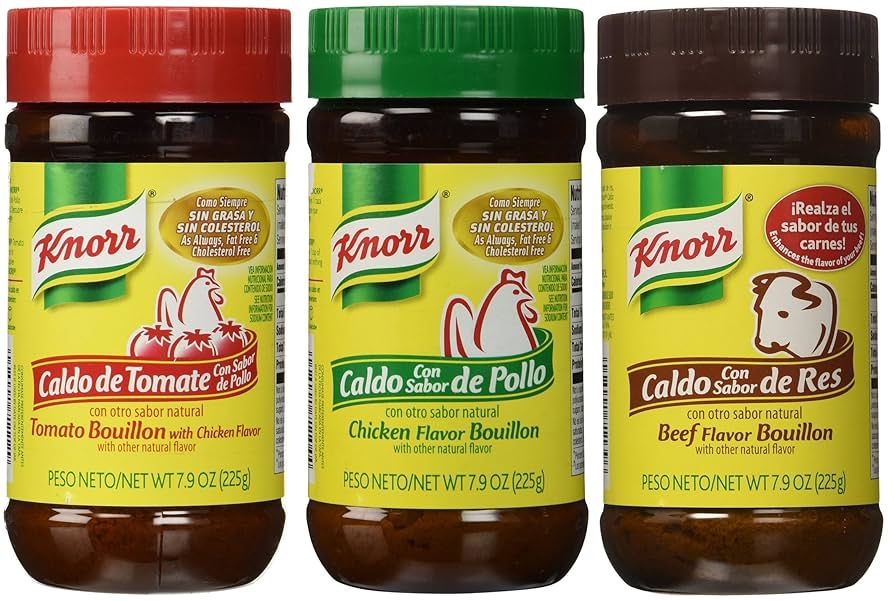
Chicken Bouillon: A Complete Guide to Ingredients, Uses, Nutrition, and Smart Cooking Tips
Chicken bouillon is one of the most commonly used flavor enhancers in kitchens around the world. It offers the rich taste of chicken stock in a concentrated, easy-to-use form, making it a practical solution for both everyday cooking and professional food preparation. Because it saves time while delivering consistent flavor, chicken bouillon has earned its place as a staple pantry ingredient.
As modern cooking continues to focus on convenience without sacrificing taste, chicken bouillon fits perfectly into today’s food habits. Whether used to build soups, season grains, or enhance sauces, it provides depth and balance when prepared and used correctly. Understanding what chicken bouillon is, how it works, and how to choose the right type can significantly improve the quality of home-cooked meals.
What Is Chicken Bouillon?
Chicken bouillon is a concentrated seasoning made to replicate the flavor of chicken stock. It is typically sold in dehydrated forms such as cubes, granules, or paste, which can be dissolved in water or added directly to food. The goal of chicken bouillon is to deliver a strong savory taste using a small amount of product.
Unlike homemade stock, which requires hours of simmering chicken bones, vegetables, and herbs, chicken bouillon offers instant flavor. This makes it especially useful for quick meals, busy households, and situations where fresh stock is not available. While it is not identical to homemade broth, high-quality chicken bouillon can come remarkably close in flavor when used properly.
Ingredients Commonly Found in Chicken Bouillon
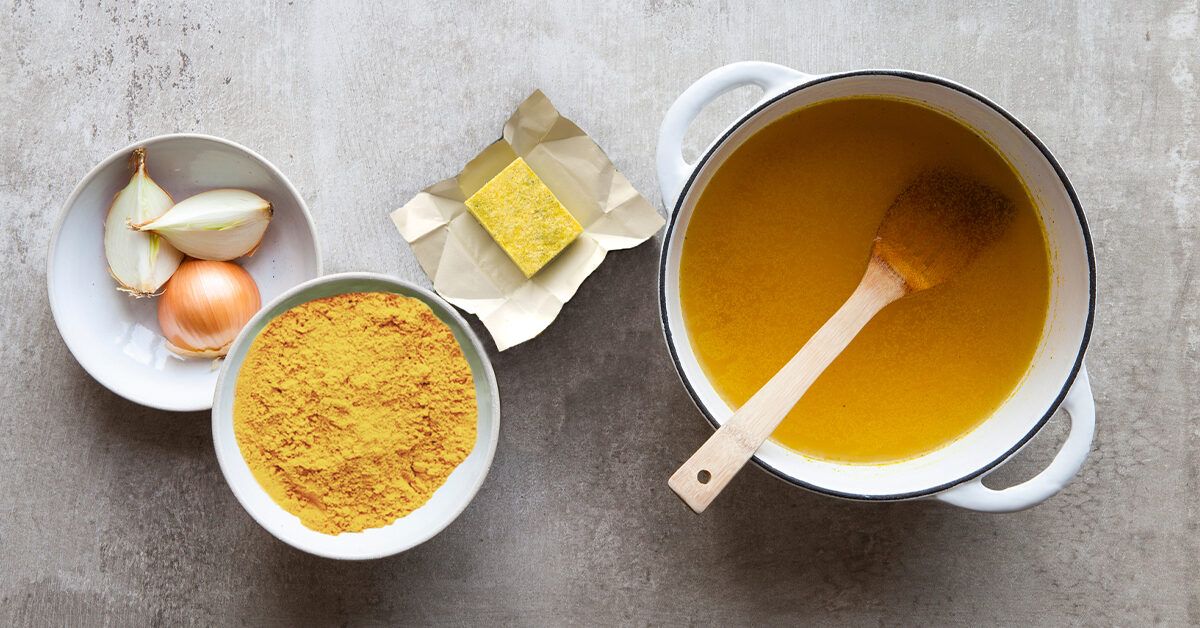
Most chicken bouillon products contain a combination of salt, chicken fat or chicken flavoring, dried vegetables, herbs, and spices. Onion, garlic, parsley, and turmeric are commonly used to enhance aroma and color. Some brands also include yeast extract or flavor enhancers to intensify the savory taste.
It is important to note that ingredient quality varies widely between brands. Premium chicken bouillon often uses real chicken and natural seasonings, while lower-quality versions rely more on artificial flavors. Reading labels carefully helps consumers choose options that align with their dietary preferences, whether that means low sodium, MSG-free, or organic formulations.
Types of Chicken Bouillon Available

Chicken bouillon comes in several formats, each designed for different cooking needs. Cubes are compact and pre-measured, making them convenient for soups and broths. Powdered chicken bouillon dissolves quickly and allows for precise seasoning adjustments, which is helpful for recipes that require smaller amounts.
Paste and liquid chicken bouillon provide a more intense and fresher-tasting flavor. These forms blend easily into sauces, stews, and slow-cooked dishes. Choosing the right type depends on how often it is used, the desired flavor strength, and personal cooking habits.
Chicken Bouillon vs Chicken Stock vs Chicken Broth
Although chicken bouillon, stock, and broth are related, they are not the same. Chicken stock is traditionally made by simmering bones, which releases collagen and creates a thicker, richer liquid. It is often used as a base for sauces and hearty soups.
Chicken broth is usually lighter and made by simmering meat rather than bones. Chicken bouillon, by contrast, is a concentrated and dehydrated version designed for long storage and quick preparation. While stock and broth offer freshness, chicken bouillon provides consistency and convenience, making it ideal for everyday cooking.
Nutritional Value of Chicken Bouillon
Chicken bouillon is low in calories but typically high in sodium. One serving can contribute a significant amount of daily salt intake, which is why portion control is important. Some versions may contain trace minerals, but it should not be relied on as a primary source of nutrition.
Low-sodium and reduced-salt chicken bouillon options are widely available and are a better choice for individuals managing blood pressure or heart health. When used in moderation, chicken bouillon can fit into a balanced diet while enhancing flavor without excessive fat or calories.
Health Considerations and Dietary Concerns
One of the main concerns associated with chicken bouillon is sodium content. Excessive sodium consumption may lead to water retention and increased blood pressure. This makes it essential to balance chicken bouillon with fresh ingredients and avoid adding extra salt to dishes.
Some chicken bouillon products contain monosodium glutamate (MSG), which is considered safe for most people. However, individuals who prefer to avoid it can easily find MSG-free alternatives. Paying attention to labels ensures that chicken bouillon aligns with personal health goals and dietary restrictions.
How to Use Chicken Bouillon Effectively
The most common use of chicken bouillon is dissolving it in hot water to create instant broth. This broth can replace water in soups, stews, rice, pasta, and grain dishes to add more depth of flavor. Using chicken bouillon in this way enhances taste without requiring additional seasonings.
Chicken bouillon can also be used as a dry seasoning. Adding a small amount to sautéed vegetables, marinades, or sauces boosts umami flavor. When used carefully, it can reduce the need for multiple spices and simplify cooking while still delivering satisfying results.
Common Cooking Mistakes to Avoid
One common mistake is using too much chicken bouillon. Because it is highly concentrated, excessive amounts can overpower a dish and make it overly salty. It is best to start with a small quantity and adjust gradually.
Another mistake is adding chicken bouillon too late in the cooking process. Allowing it time to dissolve and blend with other ingredients ensures a more balanced flavor. Understanding how chicken bouillon interacts with different foods helps prevent uneven seasoning.
Best Substitutes for Chicken Bouillon
When chicken bouillon is unavailable, several substitutes can provide similar flavor. Chicken stock or broth is the closest replacement, though additional seasoning may be needed. Vegetable bouillon is a suitable alternative for vegetarian or plant-based meals.
Other options include miso paste, soy sauce, or homemade seasoning blends. These substitutes add savory depth but should be used carefully to maintain balance. Choosing the right substitute depends on the recipe and desired flavor profile.
Choosing High-Quality Chicken Bouillon
Selecting good chicken bouillon starts with reading ingredient labels. Products with recognizable ingredients and lower sodium levels are generally better choices. Organic and minimally processed options often deliver cleaner flavor and better overall quality.
It is also helpful to consider how frequently the product will be used. For daily cooking, low-sodium chicken bouillon is ideal. For occasional use in soups or sauces, standard versions may be sufficient. Matching the product to cooking habits improves both taste and health outcomes.
Cultural and Culinary Importance of Bouillon
Bouillon has long been a foundational element in global cuisine. From European broths to Asian soups and Latin American rice dishes, it has played a key role in building flavor efficiently. Chicken bouillon continues this tradition in a modern, accessible form.
Its widespread use reflects its adaptability across different cuisines and cooking styles. By enhancing rather than overpowering ingredients, chicken bouillon supports balanced, flavorful meals around the world.
Final Thoughts: Is Chicken Bouillon Worth Using?
Chicken bouillon remains a valuable tool for modern cooking when used thoughtfully. It provides consistent flavor, saves time, and adapts easily to a wide range of dishes. While it should not replace fresh ingredients entirely, it serves as a reliable supplement in everyday meal preparation.
By choosing quality products and using proper amounts, chicken bouillon can improve cooking results without compromising health or taste. Its versatility, convenience, and long shelf life ensure it will remain a trusted ingredient in kitchens for years to come.
You may also read: Walsall Manor Hospital Routes – Complete Guide to Getting There, Maps, Parking & Services