Vastus Medialis Knee Pain: A Practical, Evidence-Informed Guide for Long-Term Relief
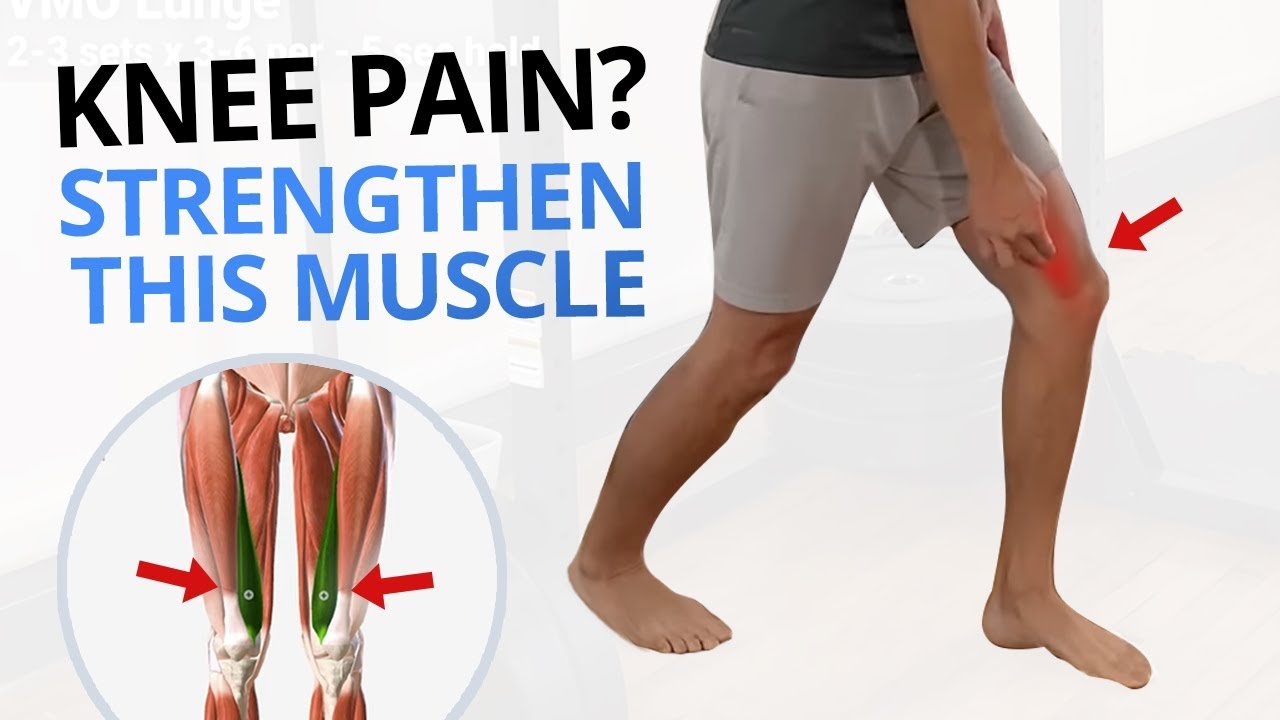
The vastus medialis is one of the four muscles that make up the quadriceps group, located on the inner portion of the front thigh. Its primary role is to assist with knee extension and help control the position of the patella as the knee bends and straightens. This stabilizing role becomes especially important during the final phase of knee extension, when the kneecap must track smoothly within the femoral groove.
Rather than acting in isolation, the vastus medialis functions as part of a coordinated system that includes the hips, glutes, hamstrings, and even the feet. When this system works efficiently, knee movement feels stable and pain-free. When coordination is lost, excessive stress is placed on the inner knee, increasing the likelihood of vastus medialis knee pain.
How Vastus Medialis Knee Pain Develops
Vastus medialis knee pain usually develops gradually rather than from a single traumatic event. Repetitive activities such as running, cycling, jumping, or frequent squatting can overload the knee when recovery and movement quality are inadequate. Over time, the vastus medialis may become inhibited or overworked, leading to discomfort near the inner border of the kneecap.
In many cases, the pain is not caused by weakness alone. Poor hip control, reduced ankle mobility, or altered walking and running mechanics can shift stress toward the inner knee. As the body compensates, the vastus medialis is forced to manage forces it was not designed to handle alone, resulting in irritation and pain.
Conditions Commonly Associated with Vastus Medialis Knee Pain
Vastus medialis knee pain is often linked to broader knee conditions rather than being a standalone diagnosis. One of the most common associations is patellofemoral pain syndrome, where poor patellar tracking leads to discomfort around or behind the kneecap. Dysfunction of the vastus medialis can contribute to this tracking issue.
Other associated problems include post-injury knee stiffness, pain following knee surgery, and chronic medial knee discomfort in physically active individuals. Foot overpronation, weak hip stabilizers, and limited quadriceps coordination frequently coexist with vastus medialis knee pain, making a whole-chain approach essential for lasting improvement.
Typical Symptoms and How the Pain Feels

The most noticeable symptom of vastus medialis knee pain is tenderness or aching along the inner aspect of the knee, especially near the kneecap. The pain may worsen during stair use, squatting, or after sitting with the knees bent for long periods. Some individuals notice discomfort only during activity, while others feel it throughout the day.
In addition to pain, the knee may feel unstable or weak, particularly when descending stairs or changing direction. Swelling is usually minimal, but stiffness or a tight sensation in the inner thigh is common. Because these symptoms overlap with other knee conditions, proper assessment is important before starting treatment.
How Vastus Medialis Knee Pain Is Assessed
Assessment of vastus medialis knee pain focuses on movement quality rather than imaging alone. A clinician will typically observe walking, squatting, and single-leg tasks to identify faulty mechanics. Muscle activation patterns, hip strength, and knee alignment provide valuable clues about why pain is occurring.
Imaging such as MRI or X-ray is not always necessary unless severe pain, trauma, or structural damage is suspected. In most cases, functional testing reveals the true source of the problem. Understanding how the knee behaves under load allows treatment to target the cause rather than just the symptom.
Effective Treatment Strategies That Actually Work
Managing vastus medialis knee pain begins with reducing excessive irritation. This may involve temporarily modifying activities that provoke pain, such as high-impact exercise or deep knee bending. Reducing load does not mean complete rest; it means allowing the knee to move within a pain-tolerant range while healing occurs.
As symptoms settle, treatment should shift toward restoring proper movement patterns. This includes improving hip control, correcting knee alignment, and gradually rebuilding quadriceps coordination. Manual therapy, guided exercise, and progressive loading are often combined to ensure both short-term relief and long-term stability.
Strengthening the Vastus Medialis the Right Way

Strengthening exercises are useful, but only when applied correctly. Early-stage exercises should emphasize controlled knee extension with minimal joint stress. The goal is to re-establish proper muscle timing rather than simply increasing strength. Exercises performed too aggressively can worsen symptoms.
As control improves, functional strengthening becomes more important. Movements such as step-ups, split squats, and controlled lunges encourage the vastus medialis to work in coordination with the hips and glutes. Proper alignment, slow tempo, and pain-free execution are more important than resistance or repetition count.
The Role of Mobility and Tissue Quality
Restricted mobility in the quadriceps, hip flexors, or surrounding tissues can increase tension across the knee. Regular stretching helps reduce unnecessary stress and allows the vastus medialis to function more efficiently. Stretching should feel gentle and controlled rather than aggressive or painful.
Soft-tissue techniques such as foam rolling may improve local circulation and reduce muscle tightness. When used alongside strengthening exercises, mobility work supports balanced knee mechanics and reduces the likelihood of recurring vastus medialis knee pain.
Recovery Timeline and Realistic Expectations
Recovery from vastus medialis knee pain depends on how long symptoms have been present and how consistently rehabilitation is followed. Mild cases often improve within four to six weeks when activity modification and targeted exercises are applied correctly. Long-standing pain may require several months of progressive rehabilitation.
Rushing back to full activity before movement quality is restored increases the risk of recurrence. Sustainable recovery focuses on gradual progression, not quick fixes. Most individuals experience steady improvement when exercises are performed consistently and pain signals are respected.
Preventing Vastus Medialis Knee Pain in the Future
Prevention begins with maintaining balanced lower-body strength and efficient movement patterns. Regular training of the hips, glutes, and quadriceps helps distribute load evenly across the knee joint. Warm-ups that prepare the body for movement reduce unnecessary strain on the inner knee.
Monitoring training volume, footwear, and technique also plays a role. Small changes in running form, gym exercise execution, or daily posture can significantly reduce stress on the vastus medialis. Early attention to discomfort prevents minor issues from becoming chronic problems.
When Professional Guidance Is Necessary
If vastus medialis knee pain persists despite self-management, professional assessment is recommended. Ongoing pain, instability, or reduced function may indicate underlying movement or structural issues that require individualized care.
A qualified healthcare professional can identify contributing factors, guide safe progression, and help prevent long-term knee problems. Early intervention often leads to faster recovery and better outcomes.
Frequently Asked Questions
Can vastus medialis knee pain heal on its own?
Mild cases may improve with activity modification, but persistent pain usually requires targeted rehabilitation.
Is vastus medialis pain the same as inner knee pain?
Not always. Inner knee pain can come from several structures, so proper assessment is important.
Should I stop exercising completely?
Complete rest is rarely necessary. Controlled, pain-free movement is usually more effective.
Does stretching alone fix the problem?
Stretching helps, but long-term relief requires strength and movement correction.
Conclusion
Vastus medialis knee pain is rarely caused by a single factor. It develops through a combination of movement habits, muscle imbalance, and load mismanagement over time. Treating it effectively requires more than isolated exercises or short-term fixes.
By understanding how the vastus medialis functions within the knee and addressing the broader movement system, most people can achieve lasting relief. A structured, patient-centered approach leads to stronger knees, better performance, and reduced risk of future pain.
You may also read: National Healthy Schools Programme – What It Is and Why It Matters