Historic Homes for Sale in the UK – Your Complete Guide to Manor Houses, Castles & Period Properties
Historic homes for sale in the UK aren’t just “older houses” — they’re properties with character, craftsmanship, and architectural detail that modern builds rarely match. From Georgian townhouses and Victorian villas to manor houses, converted churches, and even castles, these homes offer a lifestyle that feels genuinely unique. Buyers are often drawn to features like sash windows, original fireplaces, stone floors, exposed beams, decorative cornicing, and mature gardens that have developed over generations.
But buying a historic home is also a different kind of purchase. Older buildings can come with restrictions (especially if they’re listed or in conservation areas), higher maintenance costs, and the need for specialist surveys. This guide explains how to find the right historic property, what to check before you offer, how to budget realistically, and how to modernise responsibly — so you can buy with confidence and enjoy your home for years to come.
What Counts as a “Historic Home” in the UK?
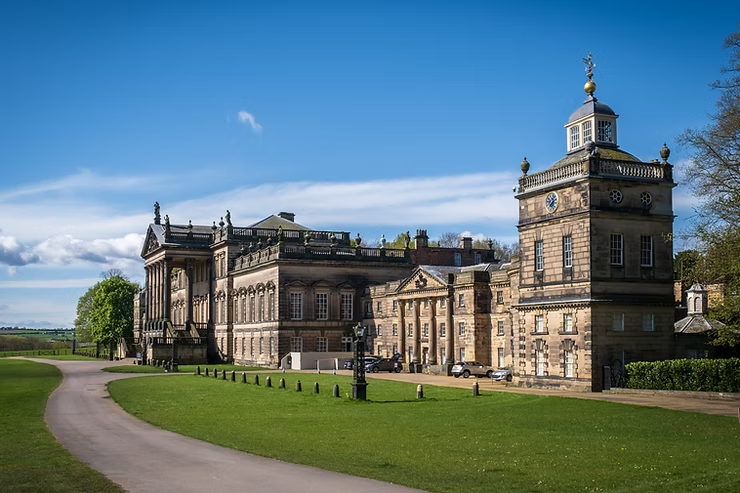
In everyday conversation, “historic” can mean anything from “built a long time ago” to “architecturally significant.” In the UK property world, buyers typically group historic homes into period properties, listed buildings, and homes located in conservation areas. A period property usually refers to a home built in a specific era (like Georgian, Victorian, Edwardian, Tudor), while a listed building has legal protection due to its special architectural or historic interest.
It’s important to understand this difference because it affects everything: what you can renovate, what materials you should use, what insurance may cost, and even how the property may be valued. Two houses from the same era can have very different rules depending on whether they’re listed or whether they sit in a protected area.
If your goal is purely “historic style,” you may be happy with a non-listed period home where updates are more straightforward. If you want the real prestige of heritage ownership (and you’re comfortable with stricter rules), then listed properties and landmark homes can be a perfect fit — as long as you plan carefully.
Why Buyers Love Historic and Period Properties
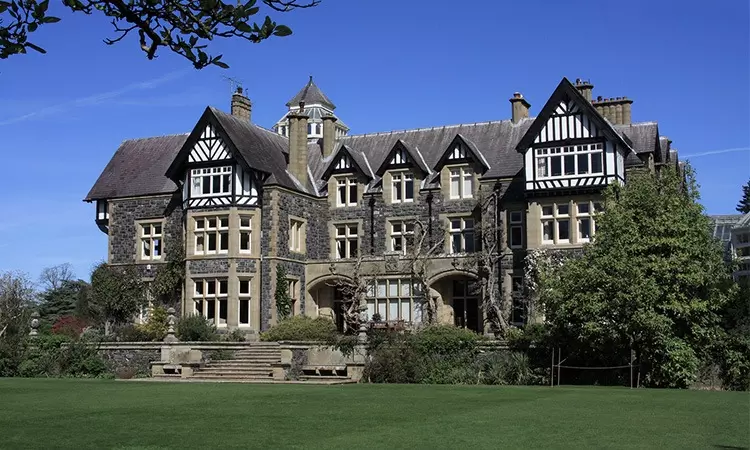
One reason historic homes remain popular is that their design often feels more generous than modern builds. High ceilings, thick walls, larger rooms, tall windows, and formal layouts can create a sense of space and calm. Even smaller cottages can feel warm and distinct thanks to original timber, stonework, and thoughtful details that simply aren’t mass-produced today.
Another major appeal is individuality. Two new-build houses on the same street can look identical, but historic homes often have quirks: a hand-carved staircase, a hidden pantry, original floorboards, stained glass, old servants’ bells, or a garden layout that reflects the property’s age. These “human” details create emotional value — and emotional value is a powerful driver in the UK housing market.
Finally, there’s long-term demand. While not every historic home is a guaranteed “investment,” well-maintained period properties in desirable locations often remain in demand because there’s limited supply. If you buy the right property, in the right condition, and modernise it correctly without harming its character, you can protect value while enjoying a genuinely special home.
Types of Historic Homes You’ll Find for Sale
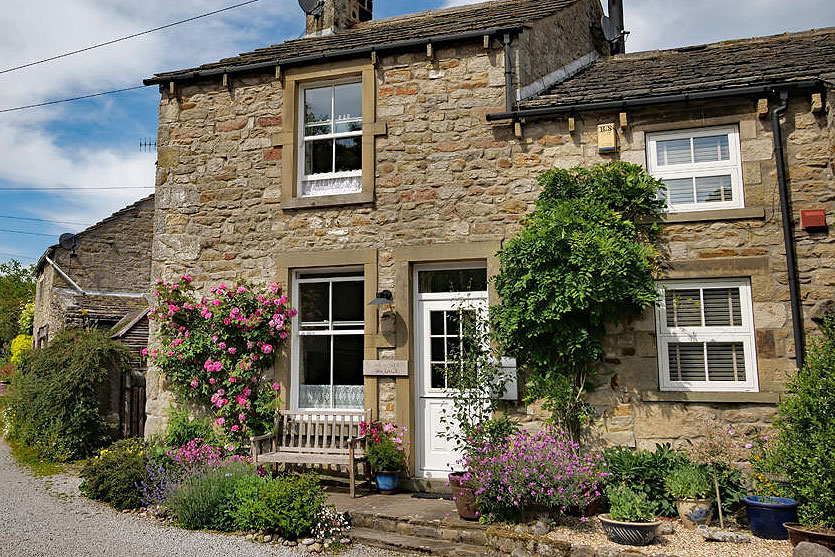
Historic homes for sale in the UK come in many forms, and choosing the right “type” depends on how you want to live and what responsibilities you’re ready for. Georgian homes often offer symmetry, sash windows, elegant proportions, and grand entrances. Victorian properties tend to feature bay windows, decorative brickwork, fireplaces, and larger footprints, while Edwardian homes can blend period charm with slightly more modern layouts and generous gardens.
At the premium end, you’ll find manor houses and country estates, often with land, outbuildings, and long driveways. These can be incredible lifestyle purchases — but they come with serious running costs (roofing, grounds maintenance, heating, drainage, and ongoing repairs). Castles and fortified homes exist too, usually as luxury or restoration projects with complex upkeep and specialist work.
You’ll also see historic conversions such as mills, barns, chapels, oast houses, and schools. These can deliver “heritage character” with a more practical interior if the conversion has been done properly. The key is checking build quality, permissions, and whether the conversion respects the building’s original structure.
Popular Locations for Historic Homes for Sale in the UK
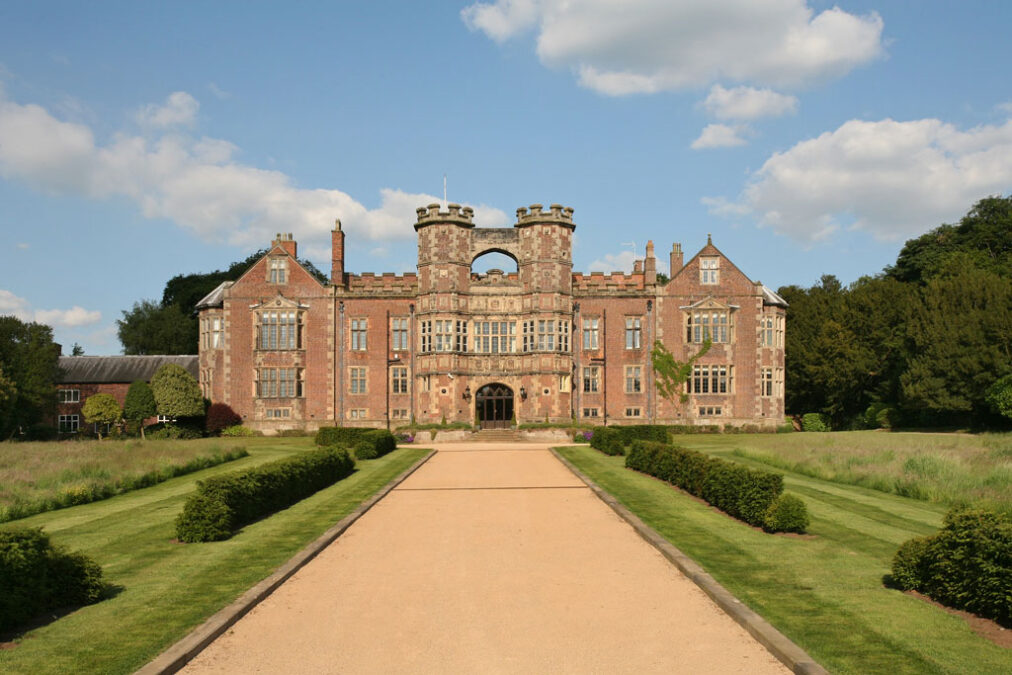
Historic homes appear across the UK, but certain areas are known for consistent supply, strong demand, and distinctive architecture. In London, you’ll see Georgian and Victorian terraces, period flats, and townhouses with excellent transport links — but competition is strong and prices reflect scarcity. Edinburgh offers elegant period homes and striking stone architecture, often with views or proximity to historic districts.
Beyond the capital cities, buyers often target places where period homes are part of the identity of the area. Think cathedral cities, market towns, and classic heritage destinations: Bath-style Georgian streets, Victorian seaside towns, Cotswolds villages, and historic university cities. Rural counties can offer manor houses and farmhouses with land, but you’ll need to be realistic about access, broadband, commuting, and maintenance.
If you’re searching “historic homes near me,” don’t just rely on one portal. Set alerts across multiple platforms, use broad keywords (“period,” “listed,” “manor,” “character,” “stone cottage”), and check specialist agents who focus on country houses and heritage property — because the best listings can move quickly.
Where to Find Historic Homes for Sale Online
Most buyers start with mainstream property portals, but historic homes can be listed across a mix of platforms. Some sites offer category browsing for historic houses, period properties, and manor houses; others rely on keyword-based searching. Your goal is to widen the net and refine over time.
A smart approach is to use three layers of search. First, use major portals for volume and alerts. Second, use specialist estate agents for curated heritage stock and local insight. Third, look at niche agencies and “unique homes” sites that focus on unusual or architectural properties — because historic conversions and landmark buildings often appear there first.
When you find a listing, don’t judge it by photos alone. Historic homes can photograph poorly if the lighting is wrong or if the layout is complex. Instead, focus on the fundamentals: location, structure, roof condition, signs of damp, quality of past renovation, planning history, and whether original features have been preserved.
Understanding Listed Buildings and Conservation Areas
This is where many buyers get caught out, so it deserves real attention. A listed building is protected for its historic or architectural significance. That doesn’t mean you can’t make changes — but it often means you need permission (listed building consent) for works that affect the building’s character. This can include windows, doors, fireplaces, internal walls, and even certain repairs depending on the nature of the work.
A conservation area is a protected zone where the overall character of a neighbourhood is preserved. You may face restrictions on exterior changes, extensions, rooflines, materials, and even paint colours. Even if the home itself is not listed, the area rules can still affect what you can do.
The safest mindset is: assume you’ll need advice before changing anything. If you buy a listed home or a home in a conservation area, build time and budget for permissions, specialist materials, and heritage-appropriate workmanship. Doing it properly protects the building and helps avoid expensive mistakes later.
Buying a Historic Home Step by Step
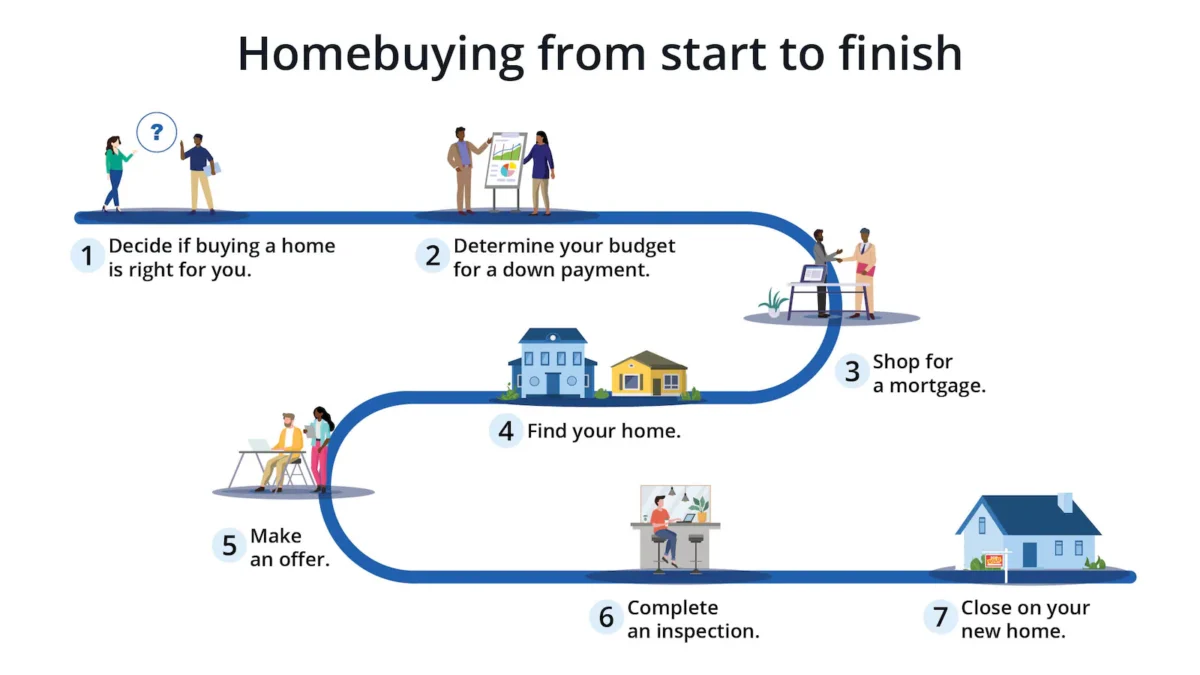
Buying a historic property is smoother when you treat it like a structured project rather than a normal purchase. Start with a clear list of “must-haves” and “nice-to-haves,” and define your comfort level around maintenance and renovation. Many buyers fall in love with charm and overlook practicality — so be honest about what you’re willing to manage.
Next, view properties with a “survey mindset.” Don’t just admire the fireplace. Look for signs of damp, cracks, uneven floors, roof condition, guttering, ventilation, and the overall feel of the building. Ask the agent about previous works: when the roof was last done, whether the electrics were updated, whether any damp proofing has been applied, and what permissions were required.
Once you’re serious, choose professionals who understand older buildings. A standard quick survey isn’t always enough. For many historic homes, a more detailed survey can save you thousands by identifying issues early — and by helping you negotiate price based on realistic repair costs.
Budgeting and Financing: What Costs More in Historic Homes?
Historic homes can be brilliant value for lifestyle — but the running costs may surprise first-time period buyers. Heating older buildings is often more expensive due to solid walls, draughts, and larger room volumes. Roof repairs and external maintenance can be costly because skilled labour and heritage materials are often required, especially for slate, stone, lime mortar, and timber repairs.
Financing can be different too. Some lenders are cautious with unusual properties, very old buildings, properties with thatch roofs, or homes with non-standard construction. This doesn’t mean you can’t get a mortgage — it just means you should speak to a broker early, understand the lender’s criteria, and avoid assuming the process will be identical to a modern home purchase.
If you’re buying as an investment, be conservative. Historic homes may hold value well, but they can also require consistent spending to keep them in good condition. The best “return” often comes from buying a structurally sound property, improving it sensitively, and choosing a location with strong long-term demand.
Renovation and Modernisation Without Losing Character
Modernising a historic home is possible — and often improves comfort dramatically — but it must be done thoughtfully. The biggest mistake is forcing modern building methods onto an old structure. For example, older buildings often need to “breathe.” Using inappropriate materials or sealing everything too tightly can trap moisture and cause long-term damage.
Instead, focus on upgrades that protect the building while improving daily living. Heating upgrades, improved insulation (where appropriate), secondary glazing, draught-proofing, careful bathroom and kitchen updates, and improved ventilation can make a massive difference. Many owners also upgrade electrics and plumbing early because these are core safety items that support everything else.
If the property is listed (or in a conservation area), you’ll likely need to plan changes with more care and potentially use specialist professionals. Done properly, modernisation can raise comfort, reduce long-term maintenance issues, and increase buyer appeal — while still respecting the home’s period charm.
Maintenance Checklist: What to Inspect Before You Buy
Historic homes reward proactive care. Before you buy, you want a clear picture of current condition and upcoming work. Roofs and gutters are a priority because water damage is one of the biggest threats to older buildings. Check for missing tiles or slates, sagging rooflines, stained ceilings, blocked guttering, and evidence of past leaks.
Damp is another major area. Not all damp is “disaster,” but it must be understood correctly. Older houses may show moisture due to poor ventilation, damaged pointing, cement-based repairs where lime is needed, or ground levels that are too high. A survey can help distinguish minor issues from major structural risk.
Also ask about timber condition (rot, woodworm), chimney stability, window condition, drainage and septic systems (for rural homes), and the quality of previous renovations. A historic house that has been “modernised badly” can be more expensive than one that has been left alone.
Gardens, Land, and Outbuildings: The Hidden Opportunity
Many historic homes come with outdoor spaces that are part of the lifestyle appeal — formal gardens, courtyards, walled gardens, orchards, paddocks, stables, or woodland. These features can add value and enjoyment, but they can also add responsibility. Tree management, boundary maintenance, drainage, and ongoing landscaping are real long-term costs.
Outbuildings are often where the biggest opportunities lie: coach houses, barns, gatehouses, lodges, and workshops can become studios, guest accommodation, offices, or rental units (subject to permissions). If you’re buying a manor house or estate, the flexibility of these spaces can be a major advantage for multi-generational living or income planning.
When viewing, treat outdoor spaces like part of the building survey. Check drainage, access, condition of walls, and whether outbuildings are structurally sound. If you want to convert or extend, research planning history and speak to local professionals early so you understand what’s realistic.
Conclusion: How to Buy the Right Historic Home in the UK
Historic homes for sale in the UK offer something rare: a blend of heritage, craftsmanship, and individuality that modern properties struggle to replicate. Whether you’re drawn to a Georgian townhouse, a Victorian villa, a countryside manor, or a character-filled stone cottage, the right home can be an incredible lifestyle upgrade — and a deeply rewarding long-term ownership experience.
The key is buying with clarity. Understand whether the property is listed or in a conservation area, budget properly for maintenance, choose the right surveys, and modernise carefully so you improve comfort without harming character. When you combine romance with realism, you don’t just buy a house — you buy a piece of British history that you can live in and look after for the future.
FAQs
What is considered a historic home in the UK?
A historic home is typically an older property with period features or architectural significance. In practical terms, many buyers mean period properties (Georgian, Victorian, Edwardian, Tudor) and sometimes listed buildings or homes in conservation areas.
How much do historic homes cost in London or Edinburgh?
Prices vary massively based on location, size, condition, and status (listed or not). In central areas, period homes can command a premium due to scarcity, while larger properties outside prime districts may offer better value.
Are there grants or tax benefits for owning historic homes?
In some cases, grants may be available for certain heritage repairs or conservation work, but availability depends on the property and local rules. Always check official sources and local authorities rather than relying on assumptions.
What are the main challenges of maintaining a historic home?
The most common challenges include damp management, roof and gutter maintenance, timber care, heating efficiency, and using appropriate materials. Older buildings often require specialist trades for repairs and restoration.
Can I modernise a historic home without affecting its heritage status?
Often yes, but you may need consent — especially if the home is listed or in a conservation area. The safest route is to plan improvements carefully, use heritage-appropriate methods, and seek advice before major changes.
How do I find historic homes near me for sale in the UK?
Use multiple property portals, set alerts with broad keywords (“period,” “listed,” “character,” “manor,” “stone cottage”), and contact specialist agents in your target area. Good historic listings can sell quickly.
What are the best roofing options for historic homes?
It depends on the building and region. Slate, clay tiles, and leadwork are common in historic UK homes, but the “best” option is usually the one that matches the original structure and local character.
Do historic homes come with gardens or outdoor spaces?
Many do, especially cottages, farmhouses, and country properties. Larger historic homes may come with mature gardens, courtyards, outbuildings, or land — which can add lifestyle value but also upkeep costs.
Are historic homes a good long-term investment in the UK?
They can be, particularly if they’re in strong locations and well-maintained. However, maintenance costs are real, so success usually comes from buying sound structure, renovating sensibly, and preserving character.
You may also read: Best UK cities for property investment: Your Complete Guide to Buy-to-Let Opportunities in 2025