Waterfront Properties UK for Sale: Your Ultimate Guide to Luxury Homes by the Water
Waterfront properties in the UK are some of the most in-demand homes on the market because they combine lifestyle, scarcity, and long-term value in one package. Whether it’s a riverside apartment with Thames views, a coastal home with direct beach access, or a lakeside retreat in a quiet national-park setting, living by the water can feel like a permanent holiday—while still being a practical base for work, family life, or short-let income.
But buyers searching “waterfront properties UK for sale” are usually not looking for inspiration alone—they want a clear path to actually finding the right property, understanding the risks (especially flooding and coastal exposure), and avoiding expensive mistakes. This guide is designed to do exactly that: help you narrow down the best types and locations, understand what makes a waterfront home “worth it,” and buy with confidence.
What counts as a waterfront property in the UK?
In the UK market, “waterfront” and “waterside” can include homes that sit directly on the shoreline (sea, lake, loch, river, canal), as well as properties that have immediate water access, mooring rights, or uninterrupted water views. Some listings use the term loosely, so it’s important to confirm what you’re actually getting: direct frontage, shared access, a view-only position, or simply “near water.”
A true waterfront property typically offers one or more of the following: private shoreline, a dock/jetty or mooring potential, water access from the garden, or permanent protected views. These features are often what drive higher prices—because they are limited by geography and planning rules, meaning supply stays tight even when the wider market fluctuates.
Types of waterfront properties UK buyers choose most
Riverside homes and apartments
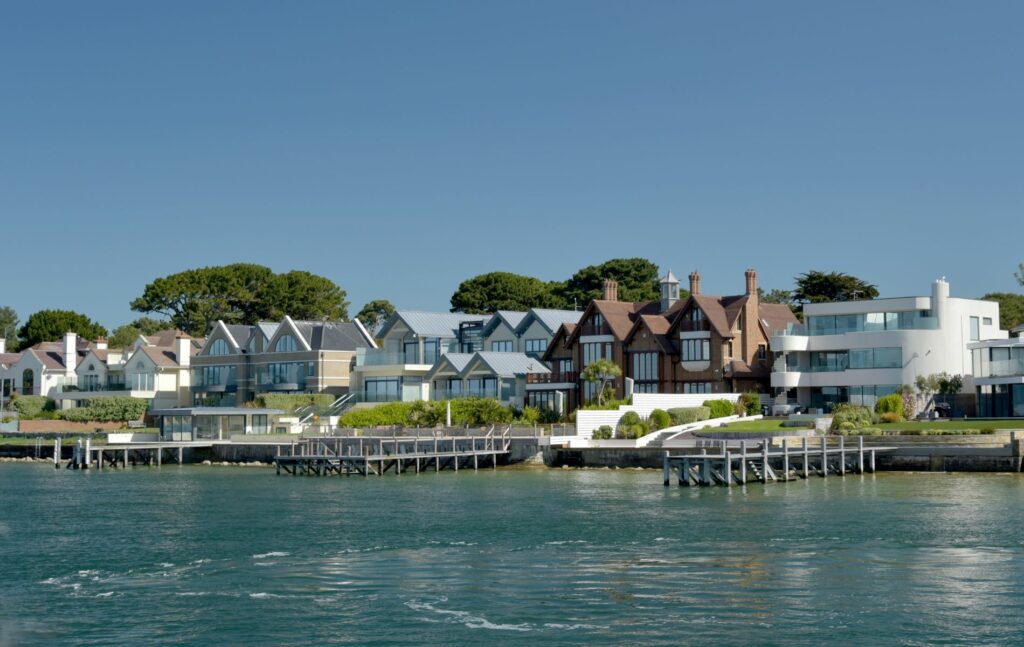
Riverside property is popular because it can offer scenic views while keeping you connected to town centres, transport links, and schools. In many places, riverside living gives you the “best of both worlds”: nature on the doorstep and daily convenience within minutes. London riverside zones (especially along the Thames) are a classic example, but riverside homes also thrive in smaller towns where walkability and charm matter just as much as the view.
That said, rivers have their own buying considerations—bank stability, flood history, riparian responsibilities, and permissions if you want to add a jetty, change riverbank structures, or do any work near the watercourse. These points don’t make riverside property a bad idea—they simply make due diligence non-negotiable.
Coastal and beachfront property
Coastal homes are the dream for many buyers: fresh air, open horizons, and a lifestyle built around walking, water sports, and a calmer pace. In prime coastal areas, the best homes can remain resilient because there are only so many “front row” positions, and demand stays strong from lifestyle buyers and second-home seekers.
However, coastal property needs more practical planning than inland homes. Salt air accelerates wear on windows, metalwork, and external finishes; storms can be more intense; and in certain areas, shoreline management and coastal erosion policies may affect long-term security. Buying smart here is about choosing the right position, construction, and exposure level—not just chasing a view.
Lakeside, lochside, and marina living
Lakeside homes are often about peace and privacy. In England, the Lake District is a well-known draw; in Scotland, lochs and coastal inlets can provide breathtaking settings with strong “escape” appeal. Marina properties (often apartments) offer a more social, serviced version of waterside living, sometimes with concierge or secure access—ideal for lock-up-and-leave owners.
With lakes/lochs and marinas, the key checks are access rights, maintenance responsibilities, shared facilities, service charges (for leasehold), and any local restrictions on short lets. These properties can be brilliant—but only when the ownership and running costs are understood upfront.
Best places to buy waterfront properties in the UK
England: riverside cities and iconic coastlines
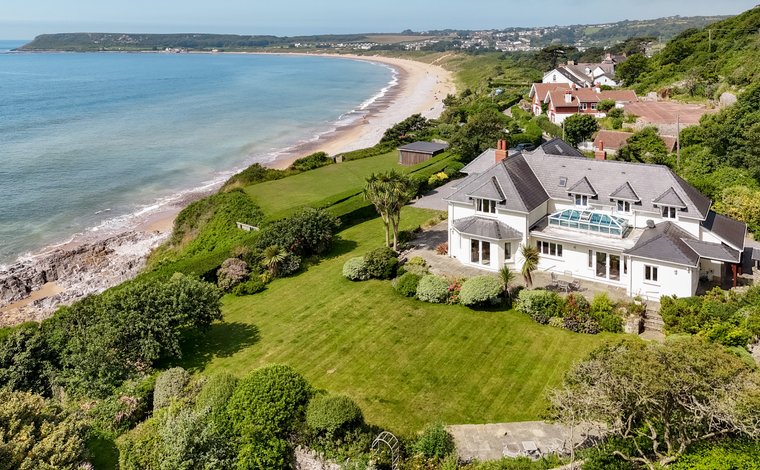
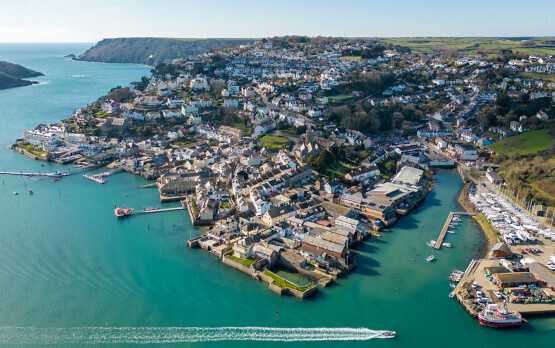
England offers everything from high-end riverfront apartments to coastal cottages and modern clifftop homes. London’s Thames corridor is the obvious premium segment, but there are also strong riverside markets around historic towns, waterside developments, and canal-side districts that have seen regeneration. On the coast, the South West (Cornwall, Devon, Dorset) often attracts lifestyle buyers, while parts of Norfolk and Suffolk are known for softer, family-friendly coastal living.
When choosing an English location, match it to your use-case. A second home or holiday let may perform better in areas with year-round tourism and good access, while a primary residence benefits most from transport links, schools, and reliable services.
Scotland: lochs, Highlands, and dramatic sea views
Scotland is a standout for buyers who want raw scenery and space—lochside homes, Highland retreats, and coastal properties with dramatic views can offer a lifestyle that feels genuinely different. Some areas can also provide better value per square foot compared with the most premium English coastal “hot spots,” although the market is highly local and property condition varies widely.
If you’re buying in Scotland as a non-local, focus heavily on access, winter practicality, and the true cost of maintenance—especially for older homes in remote areas where contractors and materials can be more expensive or slower to source.
Wales and Northern Ireland: coastline value and strong lifestyle appeal
Wales offers beautiful coastline and waterside towns that can feel less saturated than England’s most famous coastal stretches. Northern Ireland has its own strong waterside options around loughs and coastal areas, often appealing to buyers who want space, views, and lifestyle without paying peak “postcard premium” pricing.
In these regions, it’s especially important to understand local flood-risk information sources and planning factors before committing—because “waterfront” can mean very different things depending on the landscape and infrastructure.
How to actually find waterfront properties UK for sale
Use the right search approach (and don’t rely on one portal)
Most buyers start with major UK portals, but waterfront deals are often found through a combination of: portals + specialist estate agents + local agencies + saved alerts + “off-market” conversations. Waterfront sellers frequently value privacy, and some premium homes are marketed more quietly—so contacting specialists and setting up alerts can reveal options you won’t see in a single browse session.
When you search, use terms like waterside, riverfront, sea view, coastal, marina, mooring, and private frontage. Also search by lifestyle features rather than “waterfront” alone—because the best listings are often described by what you can do (boat access, beach path, dock, balcony views).
Filters that matter for waterfront buyers
Waterfront search filters should be practical, not just aesthetic. Prioritise: parking and access (especially in coastal villages), exposure level (clifftop vs sheltered bay), elevation, garden orientation, and whether the property has genuine frontage or just a view. If boating matters, confirm mooring/berthing options and any permissions required.
Most importantly: treat “close to water” as a starting point, then validate the specifics during viewing and legal checks. A home can look like a dream in photos and still be a poor long-term buy if rights, risks, or maintenance are misunderstood.
Price and value: what makes a waterfront home expensive (or a bargain)

Waterfront premiums are usually driven by scarcity and “unrepeatable” features: uninterrupted views, direct access, privacy, and location reputation. Two homes with the same bedroom count can differ massively in price if one has usable water access and the other simply sits near a scenic spot. This is why buyers should evaluate value based on frontage, exposure, build quality, and long-term defensibility—not just square footage.
A “bargain” waterside property is usually one where the view is exceptional but the home needs modernisation, or where the location is up-and-coming rather than already famous. These can be great opportunities, but only if your budget includes the real cost of refurbishment and ongoing upkeep—because waterfront maintenance is rarely cheap.
Flood risk and water-side due diligence (must-do before you offer)
Check flood risk properly (not just “it looks high enough”)
Flood risk is one of the biggest reasons waterfront deals fall apart late in the process, or become expensive after purchase. In England, you can check long-term flood risk via the UK government’s service, which also notes different sources of flooding (rivers/sea, surface water, groundwater, reservoirs) and how climate change may change risk over time.
For Wales, Natural Resources Wales provides flood risk tools (including a map and postcode-based checks) with additional information like flood defences and shoreline/coastal context.
Even if you’re not buying in a current “warning” area, it’s smart to understand real flood exposure and mitigation options rather than relying on guesswork.
Understand responsibilities if your property borders a watercourse
If your land borders or contains a watercourse (like a stream, ditch, culvert, or river), you may have specific responsibilities and may need permissions before doing certain works. The Environment Agency guidance for England explains rules and responsibilities for owning a watercourse and the kinds of permissions you may need.
This matters because buyers sometimes assume they can “tidy up” a bank, adjust drainage, add structures, or improve access—only to discover later that approvals are required and that maintenance duties may exist. Clarifying this early helps avoid legal delays and surprise costs.
Insurance and running costs for waterfront homes
Waterfront homes can be insurable and perfectly manageable—but insurers look closely at flood history, property construction, and resilience measures. If a home has had previous flood claims or sits in a higher risk area, premiums and excesses can rise. That doesn’t automatically make it a bad buy, but it changes affordability and should be treated like part of the purchase price.
It’s also worth understanding Flood Re, the UK flood re-insurance scheme designed to improve affordability and availability of flood cover for some households at high flood risk. Flood Re is a joint initiative involving government and insurers, and it is planned to run until 2039.
Even with schemes and options available, the safest approach is to get insurance indications early (before exchange), and to budget for waterside-specific upkeep like exterior repainting, drainage attention, damp prevention, and storm readiness.
Viewing checklist: what to inspect on a waterfront property
When viewing, treat it like two inspections: the house and the water edge. Inside the property, look for damp signs (especially on external walls), ventilation quality, window condition, and any history of water ingress. Ask directly about storm impacts, water levels, and what maintenance has been required year to year. A seller’s answers won’t replace formal checks, but they often reveal patterns you can investigate.
Outside, inspect access to the water, boundary clarity, and any protective structures like walls, embankments, or defences. If there’s a dock/jetty, check its condition and ask who is responsible for repairs. If the home sits near the sea, pay attention to exposure direction, signs of salt corrosion, and wind protection. Waterfront living is amazing—but it rewards buyers who are methodical.
Investment potential: rentals, resale, and what increases value
Waterfront homes can hold value well because supply is naturally limited, and many buyers will always pay more for views and access. The strongest resale drivers are usually: a protected view, easy access, practical parking, modern interiors, and low “risk friction” (clear rights, manageable flood exposure, reasonable insurance). Homes that combine lifestyle appeal with easy ownership tend to be the safest long-term bets.
For rentals and holiday lets, waterfront can be a big advantage—but only if local rules, seasonality, and operations are planned properly. Choose a location that performs beyond peak summer, consider whether you’ll use a management company, and make sure the property is resilient (easy-to-clean floors, good heating, secure storage, and clear guest safety). The best rental properties are the ones that deliver the waterfront “wow” factor without creating constant maintenance emergencies.
Challenges of waterfront properties UK buyers should plan for
The most common challenges are not “deal breakers,” but they must be budgeted for: higher maintenance, more weather exposure, and extra due diligence. Coastal homes may need more frequent exterior work; riverside homes may require attention to banks or drainage; marina apartments can come with service charges and strict rules. Waterfront ownership is easiest when your finances and expectations are realistic.
Also consider day-to-day practicality. Some stunning waterfront locations are remote, which can affect commuting, schools, healthcare access, broadband quality, and winter travel. If this is a main residence purchase, try the area in the off-season before committing. If it’s a second home, ensure you have a reliable local network for emergencies and routine maintenance.
Conclusion
Waterfront properties UK for sale offer something few other homes can match: lifestyle, beauty, and long-term desirability. But to buy well, you need more than a great view—you need the right type of waterside setting, a location that matches your lifestyle goals, and a clear approach to flood risk, legal rights, insurance, and maintenance.
If you use this guide as your buying framework—search smart, verify water access and rights, check flood risk properly, and budget for waterside upkeep—you’ll be in a strong position to secure a waterfront home that stays enjoyable and valuable for years to come.
FAQs
What are the most affordable waterfront properties in the UK?
The most affordable options are often canal-side homes, smaller riverside properties in less tourist-heavy areas, or waterside homes that need renovation. Value depends heavily on access, condition, and whether the property has true frontage or only a partial view.
Are waterfront properties UK a good investment?
They can be, because waterfront locations are limited and demand tends to stay strong. The best “investment-grade” waterfront homes usually have protected views, easy access, clear rights, manageable risk, and practical features like parking and modern infrastructure.
What legal checks are required before buying a waterfront home in the UK?
Your solicitor should confirm title boundaries, access rights, any water-related obligations (including where relevant watercourse responsibilities), planning constraints, and whether any structures at the water edge have required permissions. For certain properties, checking responsibilities connected to nearby watercourses is important.
How do I find luxury waterfront properties UK for sale?
Use a mix of portals, specialist waterside agents, and saved alerts, and be ready to contact agents directly for premium listings. High-end waterfront homes are sometimes marketed quietly, so relationships and alerts often uncover better options.
What maintenance challenges come with owning a riverside or coastal property?
Common challenges include damp prevention, exterior upkeep, and weather-related wear—especially for coastal homes where salt air accelerates corrosion. Properties with docks, jetties, or seawalls may also need periodic repair planning and budgeting.
Can I get a mortgage for a waterfront property in the UK?
Often yes, but lenders may look closely at flood risk and insurance availability. It’s wise to get early insurance indications and confirm flood-risk checks during the buying process, especially for high-exposure locations.
Which areas in the UK have the best lakeside and coastal properties?
For lakes and lochs, parts of the Lake District and Scotland’s loch regions are popular. For coastal living, the South West of England, parts of Dorset, and select areas of Wales and Northern Ireland offer strong lifestyle appeal—each with its own price range and practical considerations.
Are there restrictions on building or extending waterfront properties UK?
Yes, depending on location and local planning rules—especially in conservation areas or sensitive coastal zones. If your property is near or includes a watercourse, you may also need permissions for certain work near the water.
You may also read: Historic Homes for Sale in the UK – Your Complete Guide to Manor Houses, Castles & Period Properties