Civil Society in the UK: Definition, Importance, Examples, and Its Vital Role in Modern Society
Civil society plays a crucial role in shaping modern Britain, acting as a bridge between citizens, government, and private institutions. It encompasses the collective efforts of individuals and organisations who work voluntarily to promote social welfare, advocate for human rights, and strengthen democratic processes. Civil society ensures public voices are heard, contributing to a more accountable, inclusive, and responsive governance system.
In 2026, civil society in the UK continues to evolve, embracing digital platforms, youth engagement, and community-driven initiatives. Organisations are increasingly leveraging technology to mobilise citizens, fundraise, and address pressing social challenges. Understanding civil society today is essential for recognising how citizen-led initiatives drive change and support the common good across communities.
What is Civil Society?
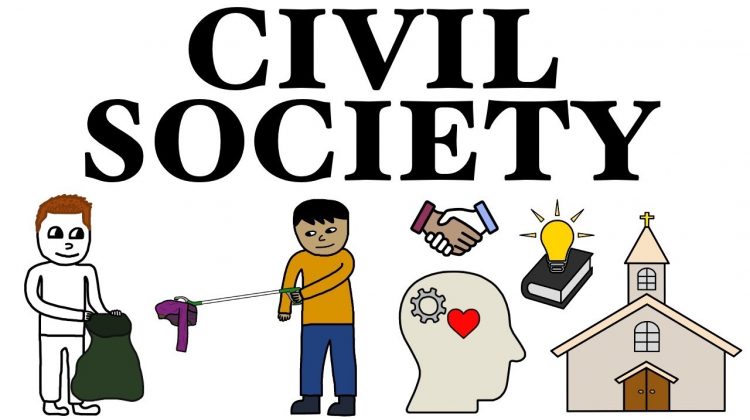
Civil society refers to the network of organisations and associations that operate independently of the government and private sector. Unlike public institutions or for-profit companies, civil society focuses on the public interest, advocating for social justice, equality, and community wellbeing. It provides a platform for citizens to voice concerns, mobilise resources, and influence policies that affect their lives.
In practice, civil society includes charities, professional associations, community groups, and advocacy networks. These organisations are guided by shared values and operate on a voluntary basis, emphasising citizen participation and collective action.
Over the years, civil society in the UK has evolved alongside political and social developments, reflecting the nation’s commitment to democracy and civic responsibility. Today, it is also a critical driver of digital activism, with many organisations using online platforms to reach broader audiences and encourage civic engagement.
Importance of Civil Society in the UK Today
Civil society is essential for sustaining democracy and promoting active citizenship. It offers a forum for discussion, debate, and collective decision-making, allowing citizens to influence policies and hold institutions accountable. By encouraging civic engagement, civil society strengthens social cohesion and ensures public needs are addressed through collective action.
Beyond advocacy, civil society contributes to public welfare by providing social services, education, and healthcare support. Organisations often step in where government or private sector efforts fall short, helping vulnerable populations and addressing service gaps. For example, in 2025, UK NGOs collectively reached over 3 million people through community projects, volunteer programmes, and digital initiatives, highlighting the tangible impact of civil society.
Civil society also fosters innovation in social solutions. By encouraging collaboration, it helps communities adapt to emerging challenges such as climate change, inequality, and public health crises. In this way, civil society not only strengthens democratic values but also ensures communities remain resilient and inclusive.
Key Components and Types of Civil Society Organisations in the UK

The UK’s civil society landscape is diverse, including organisations of various sizes and functions:
- Non-Governmental Organisations (NGOs): Operate across sectors such as human rights, environmental protection, and poverty alleviation. Examples include Oxfam, which works on global poverty initiatives, and Friends of the Earth, advocating for environmental justice.
- Charities: Deliver social services and support marginalised communities. Shelter, for example, helps individuals experiencing homelessness with advice and housing solutions.
- Community Associations and Volunteer Groups: Provide platforms for citizens to collaborate on local issues, fostering neighbourhood cohesion. Recent initiatives include community-led climate action and youth engagement programmes.
- Trade Unions: Advocate for workers’ rights, ensuring fair working conditions and protections.
- Faith-Based Organisations: Offer social support, ethical guidance, and promote charitable giving within communities.
- Informal Citizen Movements: Grassroots campaigns, such as environmental activism and equality movements, mobilise people around shared causes and amplify public voices.
Each of these components plays a vital role in promoting civic engagement, social welfare, and public accountability. Together, they form a dynamic ecosystem of citizen-led initiatives that supports both local and national development.
Functions and Roles of Civil Society Organisations
Civil society organisations serve multiple roles in society:
- Representation and Advocacy
These organisations give citizens a voice, campaigning for social justice, policy reforms, and human rights protection. They act as watchdogs, monitoring government and corporate actions to ensure accountability and transparency. - Provision of Social Services
Many civil society organisations fill gaps in social services, offering education, healthcare, disaster relief, and community development programmes. For instance, organisations like Citizens Advice provide legal, financial, and social guidance to millions of UK residents. - Civic Participation and Social Cohesion
By promoting ethical conduct and public participation, civil society fosters stronger communities. Activities such as volunteering, local campaigns, and civic forums strengthen democratic governance and encourage citizen engagement. - Innovation and Digital Engagement
Today, civil society organisations increasingly utilise technology to enhance impact. Crowdfunding, online advocacy, and virtual communities allow organisations to mobilise supporters, raise awareness, and implement community initiatives at scale.
Examples of Civil Society in the UK
Numerous organisations demonstrate the breadth and impact of civil society in the UK:
- Oxfam: Tackles global poverty through advocacy, humanitarian aid, and education initiatives.
- Shelter: Provides housing support and campaigns for affordable housing policies.
- Citizens Advice: Offers guidance on legal, financial, and social issues, empowering vulnerable populations.
- Local Volunteer Projects: From community gardens to youth mentorship programs, these initiatives strengthen neighbourhood cohesion.
- Environmental and Equality Campaigns: Movements such as Fridays for Future UK and campaigns for gender equality highlight citizen-led advocacy in shaping public policy.
These examples showcase civil society’s practical contributions to society, illustrating how citizen-led initiatives create measurable change.
Challenges Facing Civil Society in the UK
Despite its importance, civil society faces significant challenges:
- Funding Limitations: Many organisations rely on donations, grants, or government support. Unstable funding restricts services and limits long-term planning.
- Volunteer Engagement: Recruiting and retaining volunteers is increasingly difficult in a fast-paced, digitally connected society.
- Regulatory and Political Pressures: Civil society organisations must balance independence with accountability, ensuring transparency while maintaining advocacy roles.
- Technological Adaptation: Engaging younger audiences and adapting to digital platforms is critical for sustainability.
Addressing these challenges is essential for civil society to continue delivering meaningful impact and empowering citizens effectively.
The Future of Civil Society in the UK
The future of civil society is closely tied to technological innovation and social collaboration. Digital platforms enable organisations to expand reach, mobilise communities, and raise awareness more effectively than ever.
Strategic collaborations between civil society, government, and the private sector are also increasing. By working together, organisations can tackle complex societal challenges, from climate change to social inequality, more efficiently.
In addition, youth-led initiatives and civic tech platforms are driving a new era of engagement, where citizens can influence policy and support causes from anywhere in the UK. The continued growth and adaptation of civil society will remain essential for promoting democracy, social cohesion, and citizen participation.
Conclusion
Civil society in the UK represents the collective power of citizens and organisations working for the common good. It encompasses advocacy, social services, community engagement, and digital activism, ensuring public voices are heard and societal needs are addressed.
By supporting and participating in civil society, citizens strengthen democracy, foster inclusive communities, and drive meaningful social change. From grassroots volunteer programs to national advocacy campaigns, civil society remains vital in creating a more resilient and equitable society.
FAQs
1. What is civil society and why is it important in the UK?
Civil society is the network of voluntary organisations and associations operating independently to promote democracy, social welfare, and citizen participation. It amplifies public voices, advocates for rights, and strengthens communities.
2. What are examples of civil society organisations in the UK?
Examples include Oxfam, Shelter, Citizens Advice, local volunteer initiatives, trade unions, faith-based organisations, and grassroots campaigns.
3. How does civil society differ from government or private sector organisations?
Civil society operates independently, focusing on public interest and civic engagement rather than profit or political power. It represents citizens’ interests and promotes collective action for social change.
4. How can individuals participate in civil society activities?
Citizens can volunteer, join local groups, support charities, engage in advocacy campaigns, or contribute to community initiatives, both offline and online.
5. What challenges does civil society face today?
Challenges include funding shortages, regulatory pressures, volunteer recruitment, and adapting to digital transformation.
6. How is digital activism changing civil society in the UK?
Digital platforms allow organisations to reach wider audiences, mobilise supporters, crowdfund initiatives, and create virtual communities, increasing civic engagement and social impact.
7. How has civil society influenced UK policies and social change?
Civil society has driven reforms in social justice, environmental protection, healthcare, equality, and community development through advocacy, campaigns, and public mobilisation.
You may also read: KSI Net Worth 2025: How Much the YouTube Star Is Worth in the UK