Child Travel Consent Form UK – Free Template, Requirements & How to Get One
Traveling with children abroad can be exciting, but it comes with legal responsibilities. If a child is traveling without one or both parents, or with someone who is not their legal guardian, many countries require a Child Travel Consent Form UK. This document proves that the child has permission to travel and helps prevent complications at borders.
In this guide, we’ll cover everything you need to know about obtaining, completing, and using a child travel consent form in the UK, including legal requirements, notarisation, templates, and country-specific advice.
What is a Child Travel Consent Form UK?
A child travel consent form is a legal document that confirms a child has permission from their parent(s) or legal guardian(s) to travel abroad. This form is often requested by border authorities, airlines, or immigration officials to prevent child abduction, trafficking, or disputes over custody.
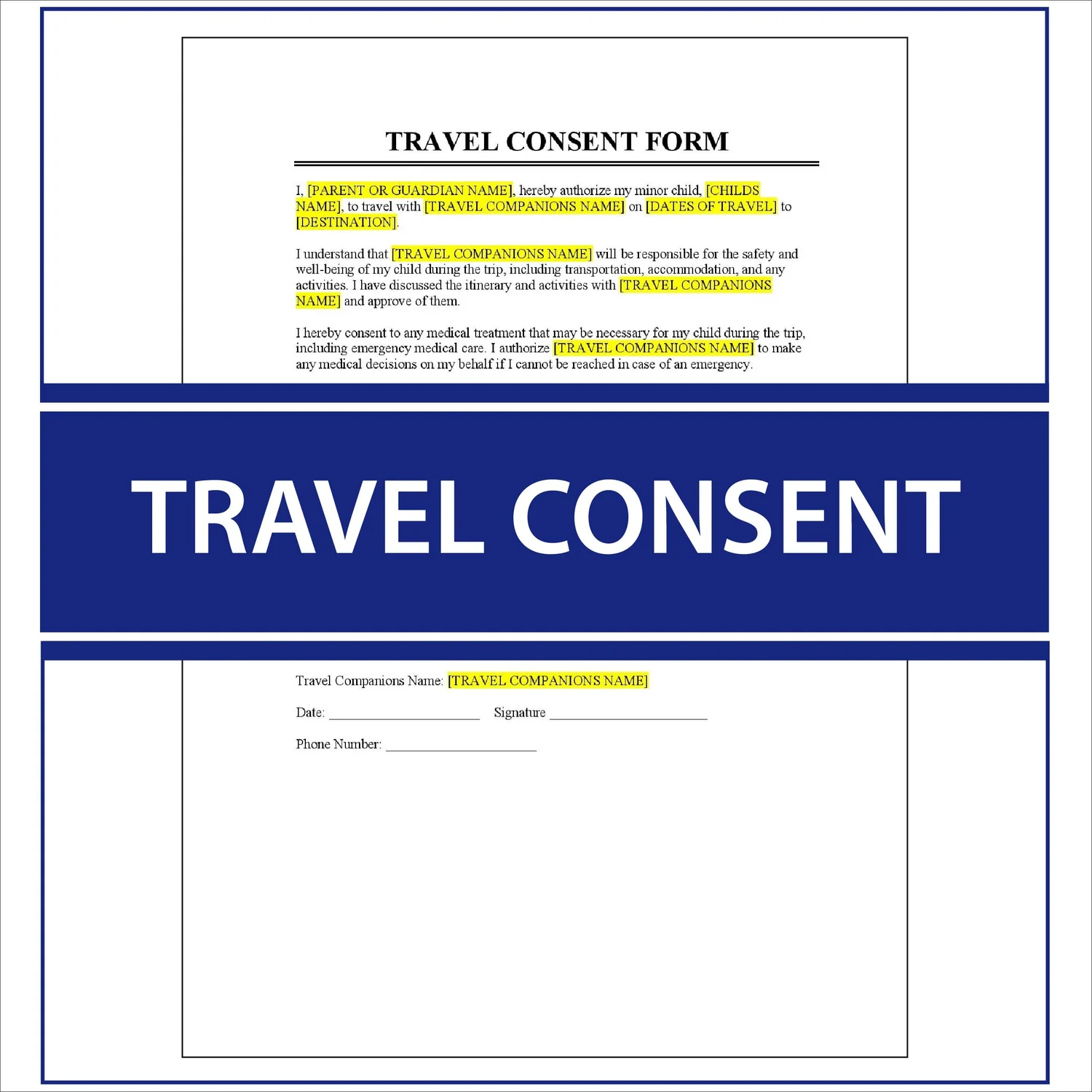
The form typically includes the child’s personal information, details about the traveling adult, the dates of travel, and the destinations. It may also include contact details for the parents or guardians and a brief explanation of the travel purpose. While some countries only recommend having this form, others require it as a mandatory document.
Without a valid consent form, children may be denied boarding or entry into a country, which can disrupt travel plans and create stressful situations for both the child and accompanying adults.
Who Needs a Child Travel Consent Form?
A child travel consent form is generally required in the following scenarios:
- When a child is traveling with one parent while the other parent is absent.
- When a child is traveling with a relative, family friend, or any adult who is not a legal guardian.
- When a child is traveling alone, such as for school trips, sports events, or study programs.
Even if both parents are traveling with the child, some countries still recommend carrying a consent form to avoid misunderstandings at border control. It serves as a clear proof that all guardians are aware of and approve the trip.
Why a Child Travel Consent Form UK is Important
The main purpose of this form is to protect the child and the traveling adults from legal issues. Border authorities may question a child traveling without both parents to ensure the trip is safe and authorised.
Additionally, a consent form:
- Confirms parental or guardian approval for travel.
- Reduces the risk of legal disputes regarding custody.
- Helps in emergencies, providing authorities with quick contact information for the parents.
Some airlines even require the consent form when children are traveling without their parents, so having it ready can prevent delays or denied boarding.
What Information Should Be Included in the Form
A complete Child Travel Consent Form UK should include the following:
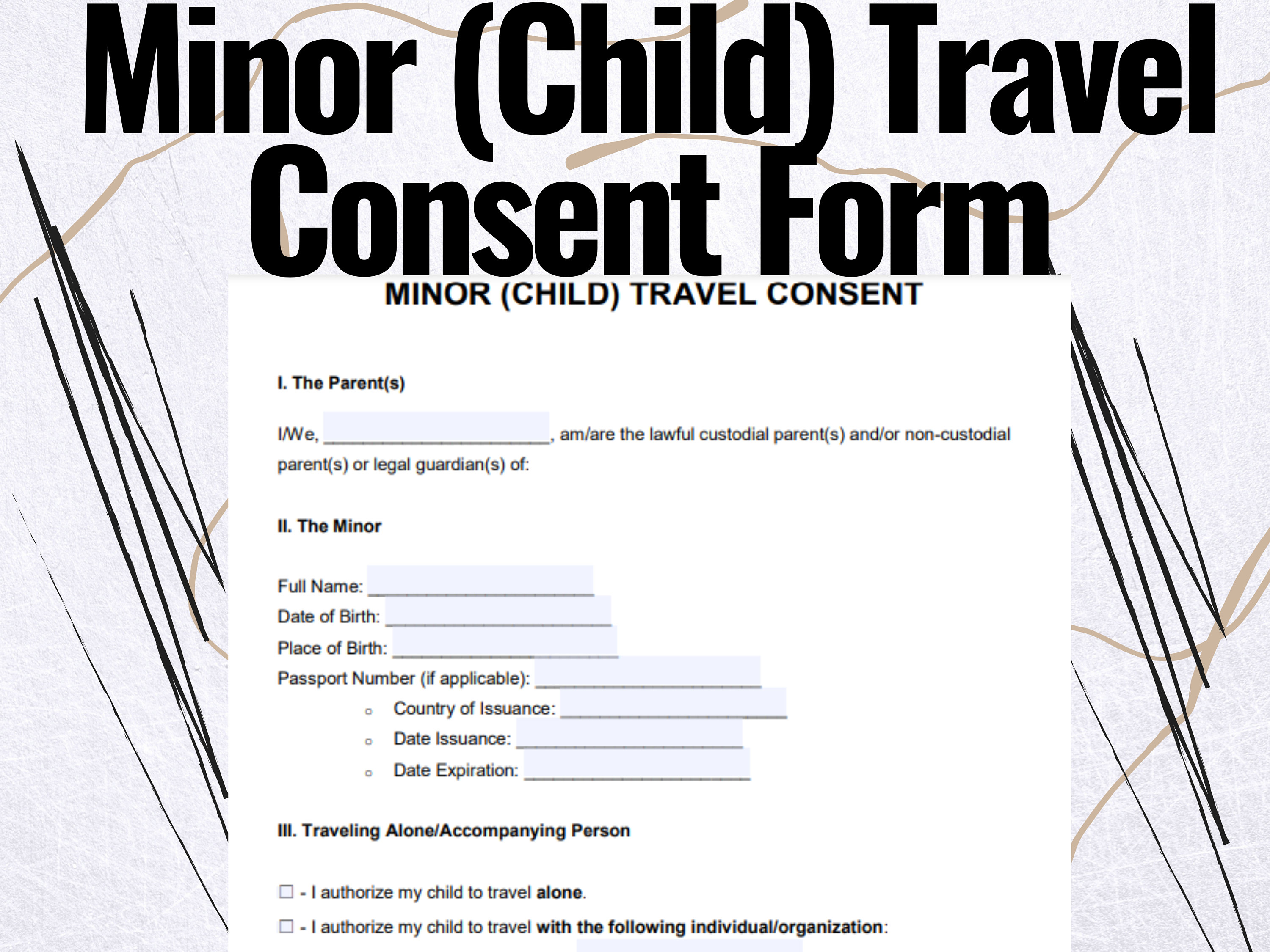
- Child Details: Full name, date of birth, passport number, and nationality.
- Parent/Guardian Details: Names, contact information, and relationship to the child.
- Travel Details: Departure and return dates, destinations, and purpose of travel.
- Accompanying Adult Details: Name, contact information, and relationship to the child.
- Consent Statement: A clear statement granting permission for the child to travel.
- Signatures and Dates: Signed by all relevant parents or guardians.
Including all necessary details ensures the form is accepted without issues by airlines or border authorities.
How to Get a Child Travel Consent Form in the UK
There are several ways to obtain a child travel consent form in the UK:
- Download Templates: Many websites provide free templates in PDF or Word format. Ensure the template is up-to-date and legally recognised.
- Lawyers or Solicitors: Consulting a solicitor can help create a legally robust form, especially for complex custody situations.
- Embassies and Travel Agencies: Some embassies or travel agencies provide templates or guidance for international travel.
Once the form is prepared, it is often recommended to have it notarised to increase its legal validity, especially for countries that strictly enforce parental consent requirements.
Notarisation and Legalisation
Notarisation is the process of having a legally authorised professional verify the signatures on the consent form. Some countries may also require legalisation or an apostille stamp, which confirms that the notarisation is recognised internationally.
Steps typically include:
- Signing the form in front of a notary public.
- Paying the required notarisation fee.
- Obtaining an apostille if the destination country is a member of the Hague Convention.
Notarising the form reduces the risk of delays at borders and ensures the document is considered valid in foreign jurisdictions.
Country-Specific Requirements
Requirements for child travel consent forms vary by country. Some examples include:
- United States and Canada: Highly recommended, particularly if the child is traveling with one parent or another adult.
- South Africa: Mandatory for children traveling with adults who are not their legal guardians.
- Brazil: Must be notarised if a minor travels with only one parent or a third party.
It’s important to check the embassy or immigration website of your destination country for the latest rules and requirements.
Templates and Examples
Using a pre-made template can simplify the process. A typical template includes fields for:
- Child’s personal details
- Parent or guardian contact information
- Travel dates and destinations
- Consent statements and signatures
Some online services even allow you to customise the template and export it as a PDF ready for notarisation. Including clear, complete information ensures it will be accepted at borders without issues.
Tips for Parents and Guardians
- Always carry a copy of the consent form along with the child’s passport.
- Provide emergency contacts for both parents and the accompanying adult.
- Double-check the destination country’s regulations for notarisation or apostille requirements.
- Keep a digital copy of the form in case the original is lost.
These simple steps can prevent travel disruptions and make the journey smoother for everyone involved.
Travel Insurance and Emergencies
While not part of the consent form itself, travel insurance is essential when children are traveling internationally. Ensure the policy covers:
- Medical emergencies
- Trip cancellations
- Lost or stolen passports or documents
In emergencies, authorities may contact parents directly using the information provided in the consent form, so accuracy is crucial.
Conclusion
A Child Travel Consent Form UK is a vital document for children traveling abroad, especially without both parents or legal guardians. It provides legal proof of parental consent, protects against disputes, and ensures smoother border crossings. By preparing the form correctly, including notarisation if required, and checking country-specific requirements, parents and guardians can safeguard their child’s travel experience.
FAQs
1. Is a child travel consent form mandatory for all countries?
Not for all countries, but many require it if a child is traveling without both parents or legal guardians. Always check the destination country’s rules.
2. Can one parent sign the form if the other parent is unavailable?
Yes, but the form must clearly show consent and may require notarisation depending on the country.
3. How long is a child travel consent form valid?
Typically, it is valid for the travel dates specified, but it’s advisable to include return dates and any extended trips to avoid issues.
4. Can the form be handwritten?
It can be, but typed forms are preferred for clarity. Signatures must still be original.
5. Where can I get a notarised template for free?
Several UK legal websites and government portals provide free downloadable templates. Make sure they are up-to-date and recognised internationally.
You may also read: Safety Measures and Hygiene Standards