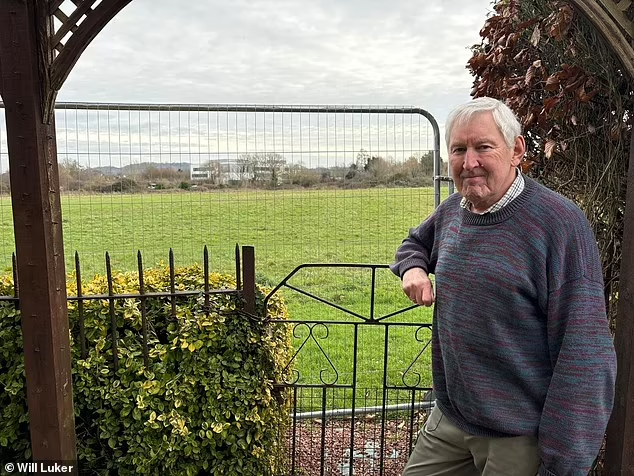
University of Gloucestershire Land Dispute: Residents Trapped After Fence Blocks Green Space
The university of gloucestershire land dispute has sparked significant controversy in Gloucester and beyond. Residents in the Longlevens area have found themselves suddenly cut off from a green field they have enjoyed for decades, following the erection of a tall metal fence by the university. This action has prompted accusations of poor communication, bullying, and disregard for community wellbeing, making the dispute a high-profile case in the UK news.
At its core, the university of gloucestershire land dispute highlights the tension between institutional development and community access. While the university focuses on expanding the Oxstalls campus and preparing for future land sales, residents argue that the fencing has deprived them of vital recreational space, leaving families, children, and dog walkers feeling trapped and ignored. The dispute has attracted both local and national attention as media outlets explore its social and ethical implications.
Background of the Disputed Land and Community Use
Before the university of gloucestershire land dispute emerged, the contested land was a valued green space adjacent to residential properties off Estcourt Road. Despite being legally owned by the university, residents had enjoyed informal access for generations, using the field for walking, play, and community gatherings. Over time, this shared use created a sense of ownership and attachment that went beyond legal rights.
The importance of this green space to the local community cannot be overstated. For families and elderly residents alike, it provided an accessible area for exercise, relaxation, and socialising. The university of gloucestershire land dispute has disrupted this routine, eroding trust between the institution and the residents. Many locals now feel alienated from a space that was once central to their daily lives.
Events That Triggered the University of Gloucestershire Land Dispute
The university of gloucestershire land dispute escalated when a six-foot-high metal fence was installed overnight along the edge of the field. Residents were given no prior warning, leaving them shocked at the sudden loss of access. Many described waking up to find their gardens abruptly closed off from the open space, creating an immediate sense of confinement and frustration.
This sudden action sparked anger and widespread criticism of the university. Local homeowners accused the institution of disregarding decades of informal access and of acting aggressively to protect land intended for future development. The university of gloucestershire land dispute has therefore become not only a matter of property boundaries but also a story of community resentment and perceived overreach by a major educational institution.
Impact on Residents of the University of Gloucestershire Land Dispute

The consequences of the university of gloucestershire land dispute are felt most acutely by local residents, who have lost a vital area for recreation and outdoor activity. Families report that children can no longer play freely, dog owners struggle to exercise pets, and social interactions within the neighbourhood have diminished. This loss of a community resource has had emotional and practical implications for those living nearby.
Residents also report feelings of isolation and frustration, describing the fencing as physically and psychologically restricting. What was once an open, communal environment is now dominated by steel barriers, changing the character of the neighbourhood and reducing the sense of safety and wellbeing. The university of gloucestershire land dispute has therefore not only impacted physical access but has also disrupted the social fabric of the community.
The University of Gloucestershire’s Perspective on the Dispute
From the university’s perspective, the university of gloucestershire land dispute is a matter of legal ownership and strategic planning. Officials argue that the land is part of the Oxstalls campus and that securing boundaries is essential for development, safety, and future sale opportunities. The university maintains that its actions comply with legal obligations and reflect long-term institutional planning priorities.
However, the university acknowledges that the decision has caused tension with local residents. Statements emphasise a focus on campus expansion, archaeological considerations, and property management, but critics argue that the human element has been overlooked. The university of gloucestershire land dispute illustrates how legal authority and community expectations can conflict, raising questions about ethical responsibilities in higher education development projects.
Legal, Planning, and Ethical Considerations
The university of gloucestershire land dispute raises important questions about planning law, community rights, and ethical responsibilities. While the university has clear ownership of the land, decades of uninterrupted access by residents may give rise to claims of implied rights of way or expectations of continued use. Legal experts note that resolving such disputes often requires balancing ownership rights with long-established social practices.
Ethically, the dispute highlights the challenges institutions face when development projects impact communities. Universities are expected to engage with local stakeholders and maintain goodwill. The university of gloucestershire land dispute demonstrates that even legally justified actions can lead to reputational damage and public criticism if community consultation is neglected.
Media Coverage and Public Reaction in the UK
The university of gloucestershire land dispute has attracted considerable attention from both national and local media outlets. Headlines focusing on residents being “trapped” or “blocked in” have amplified public interest, while social media commentary has allowed community members to voice their frustration widely. The coverage has highlighted the emotional as well as practical dimensions of the dispute, framing it as a story of local rights versus institutional expansion.
Public reaction has largely sided with residents, emphasising the importance of accessible green spaces in urban environments. Many commentators have criticised the university’s approach as heavy-handed and lacking transparency, arguing that better communication and negotiation could have prevented escalation. The university of gloucestershire land dispute has therefore become a case study in how media attention can influence perceptions of fairness and accountability.
Possible Outcomes and Next Steps
The university of gloucestershire land dispute is still unfolding, with residents exploring potential legal challenges, council involvement, and public advocacy. Mediation or negotiation may offer a path to compromise, but the resolution will likely depend on balancing legal ownership, community expectations, and institutional development goals.
Long-term, the dispute could influence how universities across the UK approach campus expansion and community engagement. The university of gloucestershire land dispute serves as a reminder that effective communication, consultation, and sensitivity to local needs are crucial when development projects intersect with everyday lives.
Conclusion
The university of gloucestershire land dispute highlights the complex interplay between property ownership, community rights, and institutional growth. The sudden erection of fencing has disrupted residents’ daily lives and drawn attention to broader questions of fairness, ethics, and planning. While the university maintains its legal rights, the social consequences of the dispute underline the importance of dialogue and transparency.
Beyond Gloucester, the dispute illustrates the challenges faced by educational institutions balancing expansion with community trust. It underscores the value of green spaces in urban and suburban areas and the need for careful consideration of human impact when making development decisions. The university of gloucestershire land dispute may well shape future policies on campus development and community relations across the UK.
Frequently Asked Questions
What is the university of gloucestershire land dispute about?
The dispute centres on a green field near the Oxstalls campus that was fenced off by the university, blocking long-standing community access.
Why are residents upset about the fence?
Residents argue the fence was installed without warning, restricting recreational space and impacting daily life.
Does the university legally own the land?
Yes, but residents contend that decades of informal use create expectations that should be respected.
Is the land being sold or developed?
The university plans to develop or sell parts of the land as part of broader campus expansion.
Can the dispute be resolved?
Residents are exploring legal action, council intervention, and negotiation to restore access or reach a compromise.
You may also read: Managing Corruption Without Losing Momentum