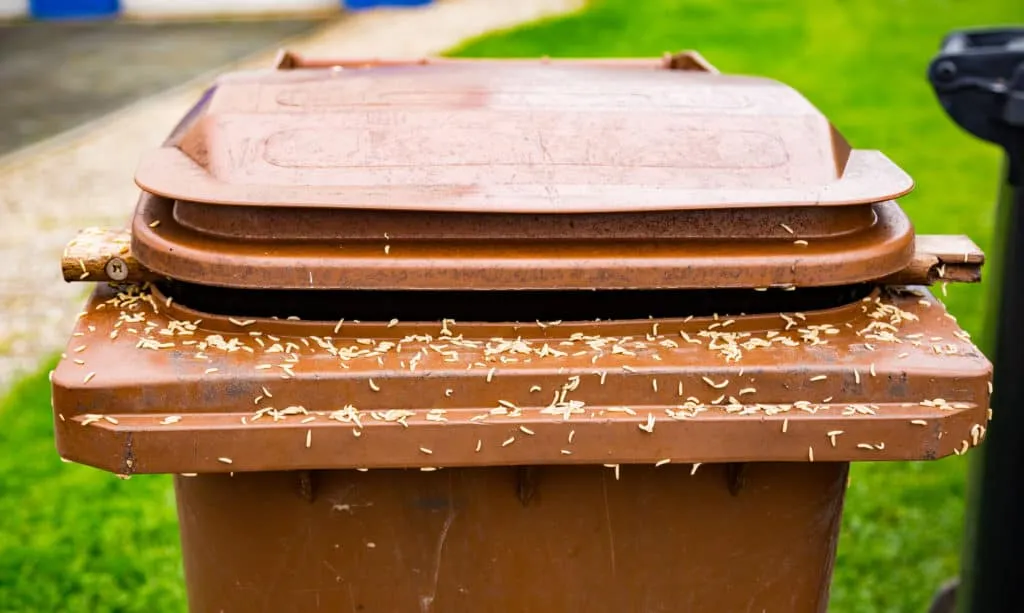
Maggots Wheelie Bins Hot Weather: Ultimate Guide to Prevention, Cleaning and Odour-Free Bins
Hot weather in the UK can turn a simple wheelie bin into a hotspot for maggots. The combination of heat, moisture, and decomposing food creates the perfect environment for flies to lay eggs, which quickly hatch into maggots. These small larvae are not only unpleasant to see but also produce strong odours, attracting more pests and creating potential hygiene risks for households.
Maggots wheelie bins hot weather infestations are a common seasonal problem that can affect any home. Without careful management, even a clean bin can quickly become infested. Understanding the causes, prevention methods, and treatment options is essential for keeping your waste bins hygienic and preventing a summer nightmare of wriggling pests and foul smells.
Why Maggots Appear in Wheelie Bins During Hot Weather
Maggots wheelie bins hot weather problems occur because warm temperatures accelerate decomposition and encourage flies to lay eggs in food waste. Organic matter such as leftover meals, fruit and vegetable scraps, and meat creates a highly attractive environment for flies. Once eggs hatch, maggots feed on decomposing matter, growing rapidly in just a few days under hot conditions.
Moisture inside bins also plays a crucial role in infestations. Food residues, liquids from packaging, and wet garden waste can create damp conditions, making it easier for maggots to survive and multiply. The combination of heat, moisture, and nutrient-rich waste explains why maggots wheelie bins hot weather infestations are particularly common during summer months across the UK.
Effective Prevention Methods
Preventing maggots wheelie bins hot weather infestations begins with proper waste management. Double-bagging food waste is one of the most effective strategies, as it contains odours and prevents flies from accessing decomposing scraps. Rinsing containers such as jars, cans, and takeaway packaging before disposal also reduces residues that attract flies, keeping bins cleaner for longer.
Storage location is equally important. Wheelie bins should be placed in shaded areas away from direct sunlight, as heat accelerates decomposition and encourages fly activity. Homeowners can also consider freezing highly perishable food scraps until collection day or using a separate caddy for kitchen waste. Frequent emptying of bins during peak summer months helps minimise the risk of infestations.
How to Get Rid of Maggots in Wheelie Bins
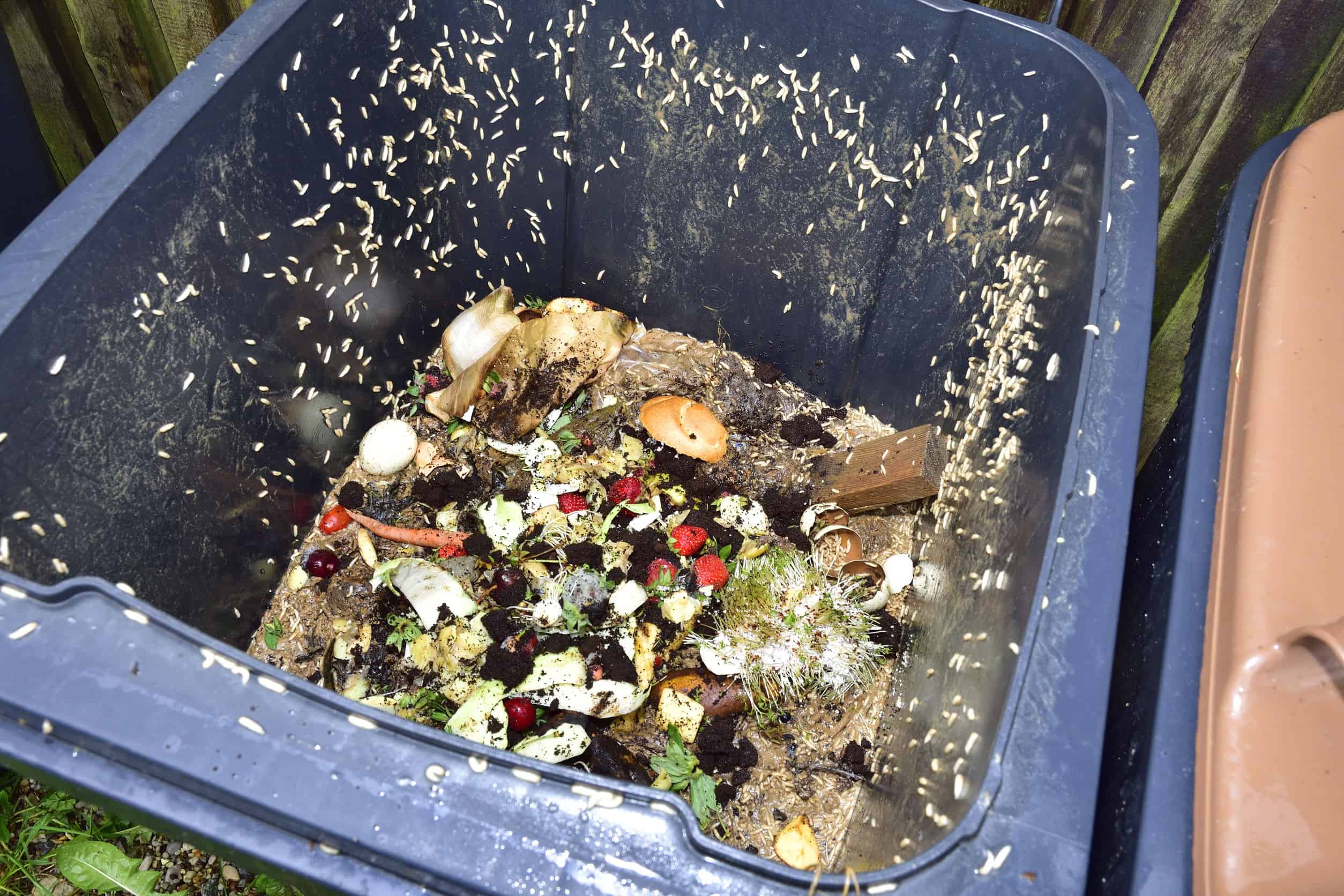
If maggots wheelie bins hot weather infestations have already developed, immediate action is necessary. One of the most effective solutions is pouring boiling water slowly into the bin. This kills maggots on contact and prevents further development. Following up with disinfectants or dish soap ensures that any remaining eggs are destroyed, reducing the chance of reinfestation.
After treatment, thorough rinsing and drying of the bin are essential. Leaving a wet bin can attract more pests and promote bacterial growth. For households seeking natural methods, sprinkling salt or vinegar, or using eco-friendly insect sprays can also help eliminate maggots. Consistent monitoring ensures that any signs of new activity are addressed promptly, preventing the problem from escalating.
Maintaining a Maggot-Free Bin Year-Round
Consistency is key to avoiding maggots wheelie bins hot weather problems throughout the year. Regular cleaning, even when bins appear clean, removes residue and moisture that attract flies. Using bin liners and absorbent materials reduces damp conditions, making it less likely that eggs will survive and maggots will develop in the first place.
Seasonal adjustments are also important. During summer, cleaning frequency should increase, and bins should not be overfilled. Observing bins for early signs of flies or maggots allows homeowners to take preventative action before infestations become severe. Simple habits like keeping the lid shut and double-bagging food scraps make a significant difference in maintaining hygiene.
Common Mistakes to Avoid
Many households make simple errors that lead to maggots wheelie bins hot weather infestations. Leaving food scraps uncovered or not rinsing containers provides an easy target for flies. Storing bins in direct sunlight acts like a mini-oven, accelerating decomposition and attracting more pests, which worsens the infestation.
Ignoring minor issues is another common mistake. Even a small number of maggots can multiply rapidly in warm conditions. Delaying cleaning or not addressing early signs allows infestations to grow. Following proactive hygiene measures prevents these problems and keeps your wheelie bins clean, odour-free, and safe throughout the summer season.
Conclusion
Maggots wheelie bins hot weather infestations are a seasonal challenge for many UK households, but they can be effectively managed through careful waste handling and consistent maintenance. By sealing food waste, rinsing containers, placing bins in shaded areas, and responding quickly to infestations, homeowners can prevent maggots and maintain a hygienic environment.
Prevention is always easier than elimination. Establishing simple routines such as regular cleaning, double-bagging, and monitoring bins for early signs of pests ensures that wheelie bins remain odour-free and safe, even during the hottest months. Taking proactive measures protects the home and family from unwanted pests and unpleasant odours.
FAQs
Why do maggots appear in wheelie bins during hot weather?
Maggots thrive in warm, moist conditions where food waste decomposes rapidly. Flies lay eggs that hatch quickly in hot temperatures, leading to infestations in bins.
Will pouring boiling water kill all maggots instantly?
Yes, boiling water kills maggots on contact. Using a disinfectant or dish soap afterward helps eliminate remaining eggs and prevents reinfestation.
How often should I clean my wheelie bin to prevent maggots?
Cleaning bins every one to two weeks, especially during summer, helps reduce residue, moisture, and the risk of infestations.
Are there eco-friendly ways to eliminate maggots?
Yes, vinegar, salt, and eco-friendly insect sprays effectively deter maggots and flies without the use of harsh chemicals.
Can moving my bin to a shaded area prevent infestations?
Yes, keeping bins out of direct sunlight slows decomposition, reducing the likelihood of maggots and fly activity.
Is it safe to use bleach or disinfectants in wheelie bins?
Yes, using bleach or other disinfectants carefully is safe and effective for eliminating bacteria and maggots.
How can I prevent flies from laying eggs in my bin?
Seal food waste, rinse containers, keep lids closed, and clean bins regularly to minimise the chance of flies laying eggs.
You may also read: Alzheimer’s Advocacy and Personal Motivation