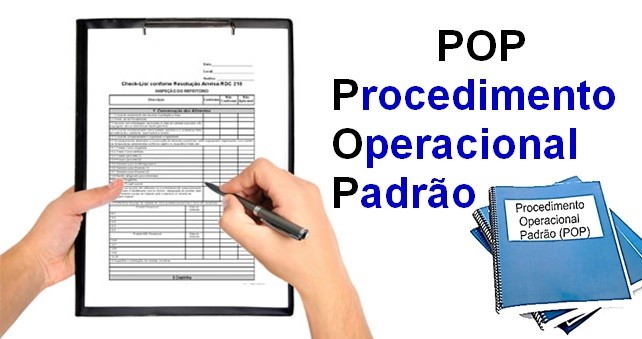
Protocolo Operacional Padrao: The Ultimate Guide with Practical Models and Examples
A protocolo operacional padrao is a comprehensive document that standardises how tasks and processes are executed within an organisation. By providing a structured approach, it ensures that every employee follows the same steps, reducing errors and improving efficiency. This level of consistency is essential in industries where quality, safety, and compliance are non-negotiable, such as healthcare, manufacturing, and corporate services.
Beyond operational consistency, a protocolo operacional padrao transforms knowledge into actionable instructions. It allows organisations to retain critical procedural knowledge, making it easier to train new employees. By documenting detailed workflows, organisations can achieve high standards, minimise operational risk, and ensure that every task is executed as intended.
What is a Protocolo Operacional Padrao?
A protocolo operacional padrao is more than a simple instruction manual; it is a formalised approach to task execution. It outlines step-by-step procedures, responsibilities, and necessary precautions to ensure processes are completed correctly. Unlike generic guidelines, it is tailored to the specific needs of an organisation, providing clarity for both new and experienced staff members.
This standardised document also serves as a benchmark for quality control and regulatory compliance. By documenting processes systematically, a protocolo operacional padrao helps organisations identify inefficiencies, prevent mistakes, and maintain uniformity across teams. It is a critical tool for improving organisational performance and safeguarding operational knowledge.
Benefits of Implementing a Protocolo Operacional Padrao
One of the main advantages of a protocolo operacional padrao is operational consistency. Employees follow the same procedures regardless of experience, ensuring reliable and predictable outcomes. This consistency reduces errors, enhances efficiency, and improves overall service or product quality, which is particularly vital in industries where mistakes can have significant consequences.
A protocolo operacional padrao also supports training and employee development. New hires can quickly understand processes without relying solely on verbal instructions. Additionally, it strengthens compliance by providing clear guidelines that align with industry regulations. Over time, organisations benefit from increased productivity, improved employee confidence, and a more robust operational framework.
Key Components of a Protocolo Operacional Padrao

An effective protocolo operacional padrao includes several essential components. The document typically begins with a title, version control, and purpose. It clearly defines the scope of the procedures, ensuring employees understand which tasks are covered. Step-by-step instructions provide clarity and reduce ambiguity, allowing tasks to be executed consistently.
Additionally, a protocolo operacional padrao defines roles and responsibilities, highlighting who is responsible for each step. Safety guidelines and compliance measures are also included, protecting both employees and the organisation. References, diagrams, or templates can be added to make the document more practical and accessible, supporting staff in following procedures accurately.
How to Create a Protocolo Operacional Padrao
Creating a protocolo operacional padrao begins with identifying processes that require standardisation. Organisations should consult experienced employees to ensure instructions are practical and accurate. Clear, concise language is essential, as overly complex documents can lead to confusion and reduce adherence. Drafting the document carefully ensures it becomes a valuable operational tool.
Once drafted, the protocolo operacional padrao should be reviewed and validated by stakeholders, then implemented across the organisation. Regular monitoring, feedback collection, and updates ensure the document remains relevant. Encouraging staff to provide input enhances engagement and ensures the protocolo operacional padrao reflects real-world processes effectively.
Examples and Templates of Protocolo Operacional Padrao
Examples of a protocolo operacional padrao vary depending on the industry and type of process. In healthcare, it may outline patient care procedures, while in manufacturing, it could guide equipment operation. Office environments can use it to standardise administrative workflows, ensuring tasks are completed consistently and efficiently.
Templates provide a useful starting point for organisations developing a protocolo operacional padrao. They offer a structured framework that can be customised to specific departments or functions. By including step-by-step instructions, checklists, and diagrams, templates make it easier for staff to follow procedures correctly and for organisations to maintain high-quality standards.
Common Mistakes to Avoid with Protocolo Operacional Padrao
Many organisations make the mistake of overcomplicating their protocolo operacional padrao. Including excessive detail or irrelevant information can overwhelm employees, reducing adherence and effectiveness. It is important to keep instructions clear, concise, and practical, focusing on essential steps to achieve the desired outcome.
Another common error is failing to update the protocolo operacional padrao regularly. Outdated procedures can lead to errors, compliance issues, and inefficiencies. Regular reviews, feedback from staff, and continuous improvement are critical to ensure that the protocolo operacional padrao remains a valuable and reliable operational tool.
Conclusion
A protocolo operacional padrao is a fundamental tool for organisations seeking operational excellence, consistency, and quality. By standardising processes, it reduces errors, improves employee training, and ensures compliance with industry regulations. Implementing a robust protocolo operacional padrao strengthens organisational efficiency and provides a clear roadmap for reliable, repeatable results.
You may also read: Basic Padel Rules