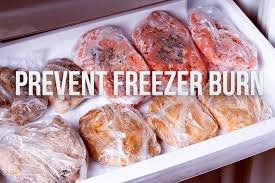
How to Prevent Freezer Burn: Keep Your Frozen Foods Fresh and Tasty
Freezer burn is a common problem many home cooks face, often leaving food looking unappetizing and tasting bland. While frozen foods are convenient for meal prep and long-term storage, improper handling can lead to freezer burn, which can significantly affect the quality of your meals. Understanding how freezer burn happens and taking steps to prevent it can save both time and money, ensuring your food remains fresh, flavorful, and safe to eat.
In this article, we will explore what freezer burn is, its causes, and the best strategies to prevent it. We’ll also cover common mistakes that contribute to freezer burn, tips for salvaging affected food, and special practices for different types of food. By the end of this guide, you’ll have a comprehensive understanding of how to keep your frozen foods at their best.
Whether you’re a beginner in the kitchen or an experienced cook, these tips will help you maintain the quality and taste of your frozen meals. Preventing freezer burn is not just about preserving food—it’s about enjoying the same flavor and texture as when the food was fresh.
What is Freezer Burn?
Freezer burn is the result of food being exposed to air in the freezer, leading to dehydration and oxidation. It typically manifests as white or grayish spots on food surfaces, accompanied by dry patches and ice crystals. While freezer burn doesn’t make food unsafe to eat, it affects the texture, taste, and overall quality, leaving it dry or chewy in certain cases.
Different foods show freezer burn in various ways. Meat may develop a grayish-brown color and tough texture, while vegetables can become icy and shriveled. Fruits may lose their juiciness, becoming mushy after thawing. Baked goods like bread or muffins may develop hard, dry spots, making them less enjoyable. Recognizing these signs early can help prevent further waste.
It’s important to distinguish freezer burn from normal freezing. While ice crystals in frozen food are normal, freezer burn specifically refers to the damage caused by prolonged air exposure. Foods without proper packaging or stored too long are most susceptible. Understanding this distinction is crucial for implementing effective prevention strategies.
Causes of Freezer Burn
The primary cause of freezer burn is exposure to air and moisture. When frozen foods are not adequately sealed, water molecules in the food migrate to the surface and crystallize, creating ice patches. Over time, this leads to dry, tough, and discolored areas.
Improper packaging materials also contribute significantly. Thin plastic wrap, paper, or containers not designed for freezer use allow air and moisture to penetrate the food. Even small gaps in sealing can accelerate freezer burn, particularly for meats and baked goods.
Fluctuating freezer temperatures worsen the problem. Freezers that are frequently opened or overcrowded experience temperature variations that increase condensation and ice formation. Additionally, storing food for extended periods without rotation increases the likelihood of freezer burn. Recognizing these factors can help you take proactive steps to protect your frozen foods.
Best Practices for Preventing Freezer Burn
Proper Packaging Materials
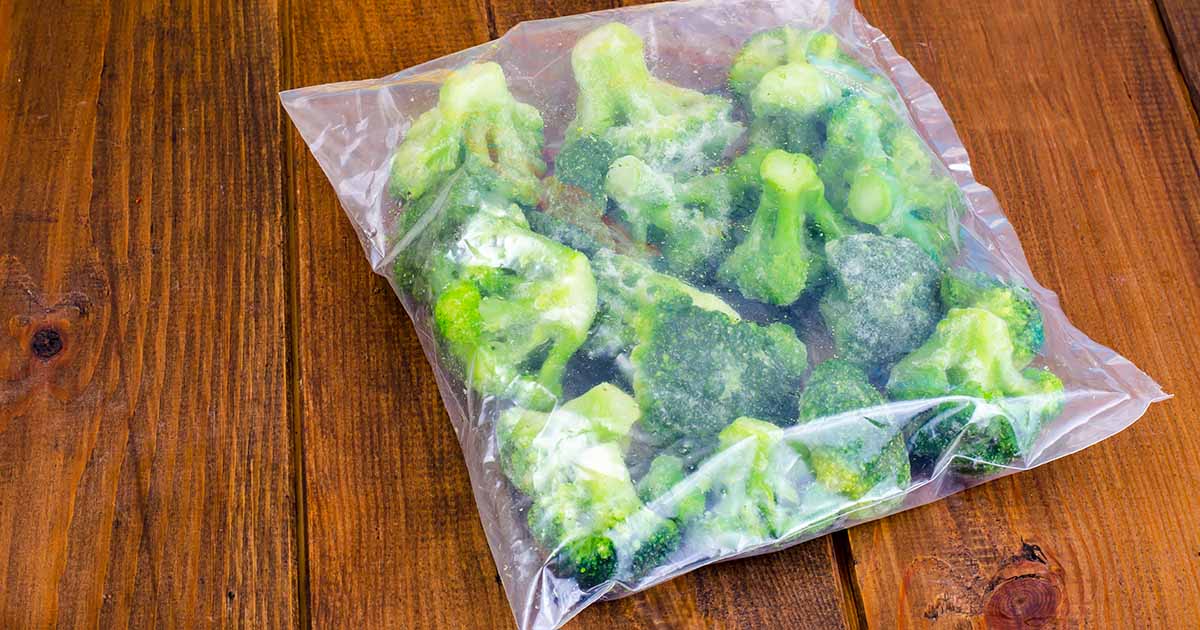
Choosing the right packaging is the first step to preventing freezer burn. Vacuum-sealed bags remove air completely, making them ideal for long-term storage. Airtight containers or heavy-duty freezer bags are also effective alternatives. Wrapping food tightly in plastic wrap or aluminum foil before placing it in a bag adds an extra layer of protection.
When packaging, ensure there are no gaps or wrinkles that can trap air. For items like soups or stews, leaving minimal headspace in containers prevents excess air from forming ice crystals. Using freezer-safe labels helps track storage time and ensures proper rotation. Proper packaging not only prevents freezer burn but also maintains food quality and flavor.
Correct Storage Techniques
Storing food properly is as important as packaging. Portioning food into smaller, meal-sized servings reduces the frequency of opening large containers, limiting air exposure. Removing as much air as possible before sealing prevents ice crystal formation.
Organizing the freezer helps maintain consistent airflow and temperature. Place newer items behind older ones to ensure older food is used first. Rotating stock and following the “first in, first out” principle reduces the chances of long-term storage, which often leads to freezer burn.
Freezer Temperature Management
Maintaining a steady freezer temperature of 0°F (-18°C) is crucial. Avoid frequent door openings, which introduce warm air and increase condensation. A full but organized freezer maintains cold airflow better than an overcrowded one.
Temperature management is particularly important for sensitive foods like meat and seafood. Fluctuating temperatures accelerate dehydration and freezer burn, reducing the overall shelf life. Monitoring your freezer with a thermometer ensures consistent cold conditions, keeping food safe and fresh.
Special Tips for Different Foods
Different foods require tailored strategies. Meat and poultry benefit from vacuum sealing and portioning into small packages. Vegetables can be blanched before freezing to preserve texture and nutrients. Baked goods should be wrapped tightly and ideally stored in airtight containers. By understanding the needs of each food type, you can effectively prevent freezer burn and maintain quality.
Common Mistakes That Cause Freezer Burn
Some common mistakes accelerate freezer burn. Storing hot food directly in the freezer increases condensation, creating ice crystals on the surface. Using thin, low-quality packaging or not sealing food properly exposes it to air, leading to rapid dehydration.
Freezing food for too long without rotation also increases the risk of freezer burn. Even foods stored at the correct temperature can develop dry spots if left too long. Recognizing these mistakes and avoiding them ensures your frozen foods remain fresh, flavorful, and safe to eat.
How to Salvage Food with Freezer Burn
Not all freezer-burned food is wasted. Minor freezer burn can be trimmed away, especially on meat and vegetables. For example, cut off dry or discolored spots before cooking. Freezer-burned fruits can still be used in smoothies, jams, or baking, while freezer-burned meat can be used in soups, stews, or casseroles where texture is less noticeable.
Always assess the quality before consumption. Foods with extensive freezer burn may have compromised flavor and texture but are generally safe if stored correctly. Salvaging food reduces waste and ensures you get the most out of your frozen inventory.
Conclusion
Preventing freezer burn is all about proper packaging, storage, and freezer management. By using airtight containers, vacuum-sealed bags, portioning food, and maintaining consistent freezer temperatures, you can protect the taste, texture, and quality of your frozen foods. Avoiding common mistakes, such as storing hot food or using poor-quality packaging, further minimizes the risk.
Consistently implementing these strategies helps you save money, reduce food waste, and enjoy meals that taste as fresh as the day they were prepared. With a little attention to detail, freezer burn can become a problem of the past, leaving your frozen meals delicious, safe, and ready to enjoy.
FAQs
- What is the difference between freezer burn and spoilage?
Freezer burn affects texture and flavor due to dehydration but doesn’t make food unsafe. Spoiled food has a bad odor, color, and can be harmful if eaten. - Can freezer-burned food make you sick?
No, freezer burn is not harmful, but it reduces food quality. Only spoilage or contamination is unsafe. - How long can food stay in the freezer without getting freezer burn?
Properly packaged food can last months without freezer burn. Meat and poultry may last 6–12 months, while vegetables and fruits may last 8–12 months. - Are vacuum-sealed bags really the best solution?
Yes, vacuum-sealed bags remove air completely, making them highly effective for preventing freezer burn. - Can I refreeze food after thawing to avoid freezer burn?
Refreezing is safe if done quickly and the food hasn’t been at room temperature for long, but it may reduce quality.
You may also read: How Sandbox Environments Work