Diana Ross: The Legendary Voice That Shaped Music History
Diana Ross is not simply a celebrated singer; she is a defining figure in modern music and popular culture. Few artists have managed to shape the sound, style, and global reach of popular music across as many decades as she has. From the rise of Motown in the 1960s to sold-out international tours in recent years, Diana Ross’s career represents longevity, reinvention, and cultural influence at the highest level.
More than six decades after her first recordings, Diana Ross continues to be referenced as a benchmark for vocal elegance, stage presence, and crossover success. Her journey from Detroit housing projects to global superstardom is not only a personal success story but also a reflection of major social and musical shifts in American history. This article provides a fully updated, in-depth look at her life, achievements, and ongoing legacy, written for today’s readers and search intent.
Early Life and Musical Foundations in Detroit
Diana Ernestine Earle Ross was born on 26 March 1944 in Detroit, Michigan, a city that would later become synonymous with one of the most influential music movements of the 20th century. She grew up in a working-class family during a period marked by social change and racial inequality. These early surroundings shaped her resilience and ambition, traits that would define her career.
From a young age, Ross showed a natural affinity for music and performance. She sang in church choirs and participated in school talent shows, developing confidence in front of audiences long before fame arrived. Her mother played a key role in nurturing her creative drive, encouraging discipline and self-belief at a time when opportunities for young Black women in entertainment were limited.
As a teenager, Ross attended Cass Technical High School, where she studied fashion design. This background would later influence her visual identity and help establish her reputation as a style icon. At the same time, she began performing with neighbourhood friends, unknowingly laying the groundwork for a group that would soon redefine pop music.
The Supremes and the Rise of Motown Stardom
Diana Ross’s career took a historic turn when she became part of a vocal group originally known as The Primettes. After signing with Motown Records, the group was renamed The Supremes, and their ascent was swift and unprecedented. By the mid-1960s, they were not just successful but dominant, becoming the most commercially successful female group of their era.
The Supremes produced a remarkable string of chart-topping singles, including songs that would become timeless classics. Their polished sound, choreographed performances, and glamorous presentation helped Motown reach mainstream audiences across racial and national boundaries. Ross’s distinctive voice and magnetic presence quickly placed her at the centre of the group’s identity.
Beyond chart success, The Supremes represented a cultural breakthrough. They challenged industry norms and expanded opportunities for African-American artists in television, radio, and international touring. The group’s achievements were later recognised with induction into the Rock and Roll Hall of Fame, cementing their place in music history and establishing Diana Ross as a defining star of the Motown era.
Transition to a Solo Career and Artistic Reinvention

In 1970, Diana Ross embarked on a solo career, a move that carried both risk and expectation. Rather than relying on past success, she embraced reinvention, releasing music that showcased emotional depth and stylistic range. Her early solo recordings quickly proved that her appeal extended well beyond group dynamics.
Throughout the 1970s and 1980s, Ross demonstrated an ability to adapt to changing musical landscapes. She explored soul, pop, disco, and contemporary R&B, consistently maintaining relevance while younger artists emerged. This flexibility allowed her to reach new audiences without alienating longtime fans.
Her solo success confirmed her status as an independent creative force. Rather than being defined solely by her time with The Supremes, Diana Ross established a second act that many artists never achieve, marked by sustained chart presence, international recognition, and artistic freedom.
Film and Television Career
Diana Ross expanded her influence beyond music by pursuing acting, a transition that further elevated her profile. Her film debut in Lady Sings the Blues was met with critical acclaim and demonstrated her ability to convey emotional complexity on screen. The role earned her an Academy Award nomination, an extraordinary achievement for a first-time actress.
She continued to appear in high-profile films, blending her musical talents with dramatic storytelling. These projects reinforced her versatility and positioned her among a select group of entertainers capable of succeeding across multiple creative disciplines. Her performances often reflected themes of ambition, struggle, and identity, mirroring elements of her own life story.
Television also played an important role in her career. Concert specials, guest appearances, and live broadcasts allowed Ross to connect with audiences worldwide. Her comfort on camera translated seamlessly from stage to screen, enhancing her reputation as a complete entertainer rather than a single-medium star.
Fashion, Image, and Cultural Influence
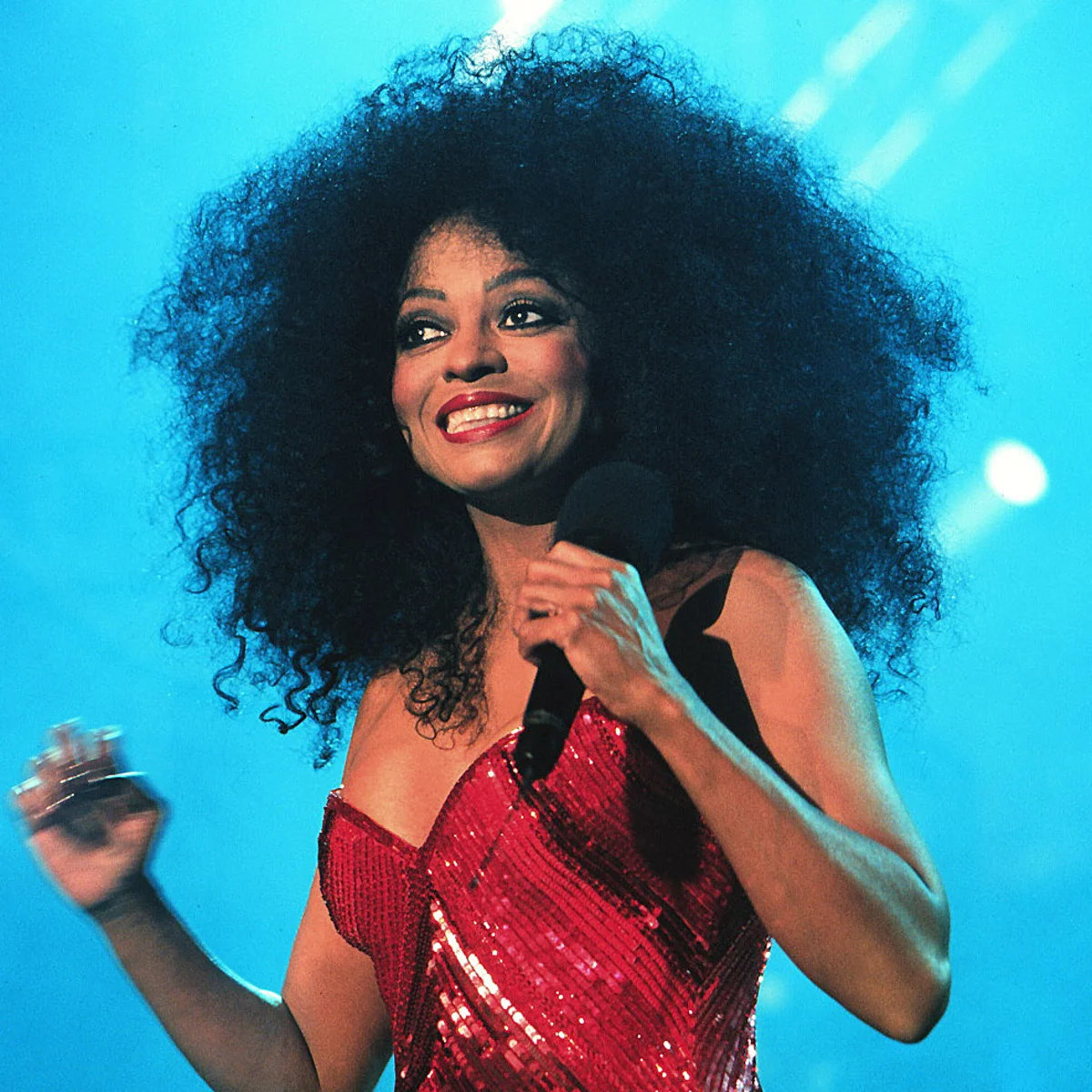
Diana Ross’s impact on fashion is inseparable from her musical legacy. From the early days of coordinated Supremes gowns to her dramatic solo-era stage costumes, she used style as an extension of her artistry. Her fashion choices were bold, glamorous, and expressive, often setting trends rather than following them.
Her background in fashion design contributed to a strong visual identity that helped define her brand. Flowing silhouettes, sequins, dramatic hair, and confident posture became hallmarks of her public image. These elements influenced designers, performers, and pop culture aesthetics for decades.
Beyond clothing, Ross embodied a sense of self-assured elegance that resonated with audiences worldwide. She became a symbol of empowerment, particularly for women and artists of colour, proving that image and confidence could be powerful tools in shaping cultural narratives.
Awards, Recognition, and Historic Achievements
Over the course of her career, Diana Ross has received numerous honours that reflect her lasting influence. She has been recognised with major lifetime achievement awards, including the Grammy Lifetime Achievement Award and the Kennedy Center Honors. These accolades acknowledge not only commercial success but also cultural significance.
In 2016, she was awarded the Presidential Medal of Freedom, one of the highest civilian honours in the United States. This recognition placed her among a select group of individuals whose contributions extend beyond entertainment into broader cultural impact. Her achievements also include induction into prestigious halls of fame alongside her work with The Supremes.
What sets Ross apart is not just the quantity of awards but their scope. Music, film, fashion, and social influence are all represented, underscoring the multifaceted nature of her career and the breadth of her legacy.
Personal Life, Family, and Philanthropy
Diana Ross’s personal life has often been in the public eye, yet she has consistently emphasised the importance of family. She is the mother of five children, several of whom have pursued careers in music, acting, and media. Despite the demands of international fame, Ross has spoken openly about balancing motherhood with professional commitments.
Her experiences outside the spotlight have shaped her resilience and perspective. Challenges, relationships, and personal growth have informed her artistic expression, adding depth to her performances and public persona. Fans frequently note that her authenticity contributes to her enduring appeal.
In addition to family, Ross has supported charitable causes related to education, health, and social well-being. Her philanthropic efforts reflect a desire to give back and use her platform for positive impact, reinforcing her reputation as an artist with purpose.
Diana Ross Today: Ongoing Career and Relevance
Unlike many artists whose influence is limited to a specific era, Diana Ross remains active and visible. In recent years, she has continued to perform live, release music, and appear at major cultural events. Her presence at global celebrations and concerts highlights her continued demand and relevance.
Modern audiences encounter Ross not only through classic recordings but also through live performances, collaborations, and digital platforms. Her music continues to be streamed, sampled, and referenced, introducing her work to new generations who were not alive during her early career.
This ongoing activity is a crucial part of her legacy. Rather than existing solely as a historical figure, Diana Ross continues to shape contemporary culture, reinforcing her position as a living legend rather than a retrospective icon.
Legacy and Influence on Modern Artists
The influence of Diana Ross can be seen across genres and generations. Many contemporary performers cite her as a key inspiration, particularly in terms of stage presence, vocal delivery, and visual storytelling. Her ability to combine technical skill with emotional connection remains a benchmark in performance artistry.
Her role in shaping the Motown sound laid the groundwork for countless artists who followed. By breaking barriers in mainstream media, she helped normalise diversity in popular music and entertainment. This impact extends beyond individual songs to structural changes within the industry.
Ultimately, Ross’s legacy is defined by endurance. She has remained relevant through constant change, proving that adaptability, authenticity, and artistic vision can sustain a career across decades.
Fun Facts and Lesser-Known Details
Diana Ross was originally nicknamed “Ding-Ding” during her childhood years.
She became one of the first African-American women to headline major Las Vegas venues.
Her voice has been sampled and referenced by modern artists across multiple genres.
She has balanced careers in music, film, fashion, and writing throughout her life.
Despite decades in the spotlight, she continues to attract global audiences.
Conclusion
Diana Ross stands as one of the most influential figures in entertainment history. From her early days in Detroit to international superstardom, she has consistently demonstrated excellence, adaptability, and cultural significance. Her contributions to music, film, fashion, and social progress place her among the most important artists of the modern era.
Her story is not only about success but about transformation and endurance. As trends change and generations shift, Diana Ross remains a constant presence, reminding audiences why true artistry transcends time. Her legacy continues to inspire, ensuring that her voice and vision will resonate for generations to come.
FAQs
What are Diana Ross’s most famous songs?
Some of her most widely recognised songs include classics from her time with The Supremes as well as major solo hits. These recordings are often cited as defining moments in pop and soul music history and continue to receive significant airplay and streaming attention today.
How did Diana Ross become famous?
She rose to prominence as the lead singer of The Supremes during the 1960s, achieving unprecedented chart success. Her transition to a solo career further expanded her fame and solidified her global reputation.
Is Diana Ross still active in music?
Yes, Diana Ross continues to perform live and remain involved in music-related projects. Her recent appearances and tours demonstrate ongoing relevance and demand.
Has Diana Ross won major awards?
She has received numerous lifetime and cultural honours, including the Grammy Lifetime Achievement Award, Kennedy Center Honors, and the Presidential Medal of Freedom.
Why is Diana Ross considered a cultural icon?
Her influence extends beyond music into fashion, film, and social representation. By breaking barriers and maintaining relevance across decades, she has shaped both the industry and popular culture itself.
You may also read: User Experience on Clicksud