HP Sauce: The Ultimate Guide to Britain’s Iconic Brown Sauce
HP Sauce is one of the most iconic British condiments, instantly recognisable for its rich, dark brown colour and tangy, slightly spicy flavour. Loved across the UK, hp sauce has been a staple in kitchens for over a century, offering a unique taste that enhances a variety of traditional meals. Its distinctive flavour makes it a favourite accompaniment for breakfasts, sandwiches, and cooked dishes, giving a simple meal an unmistakable British twist.
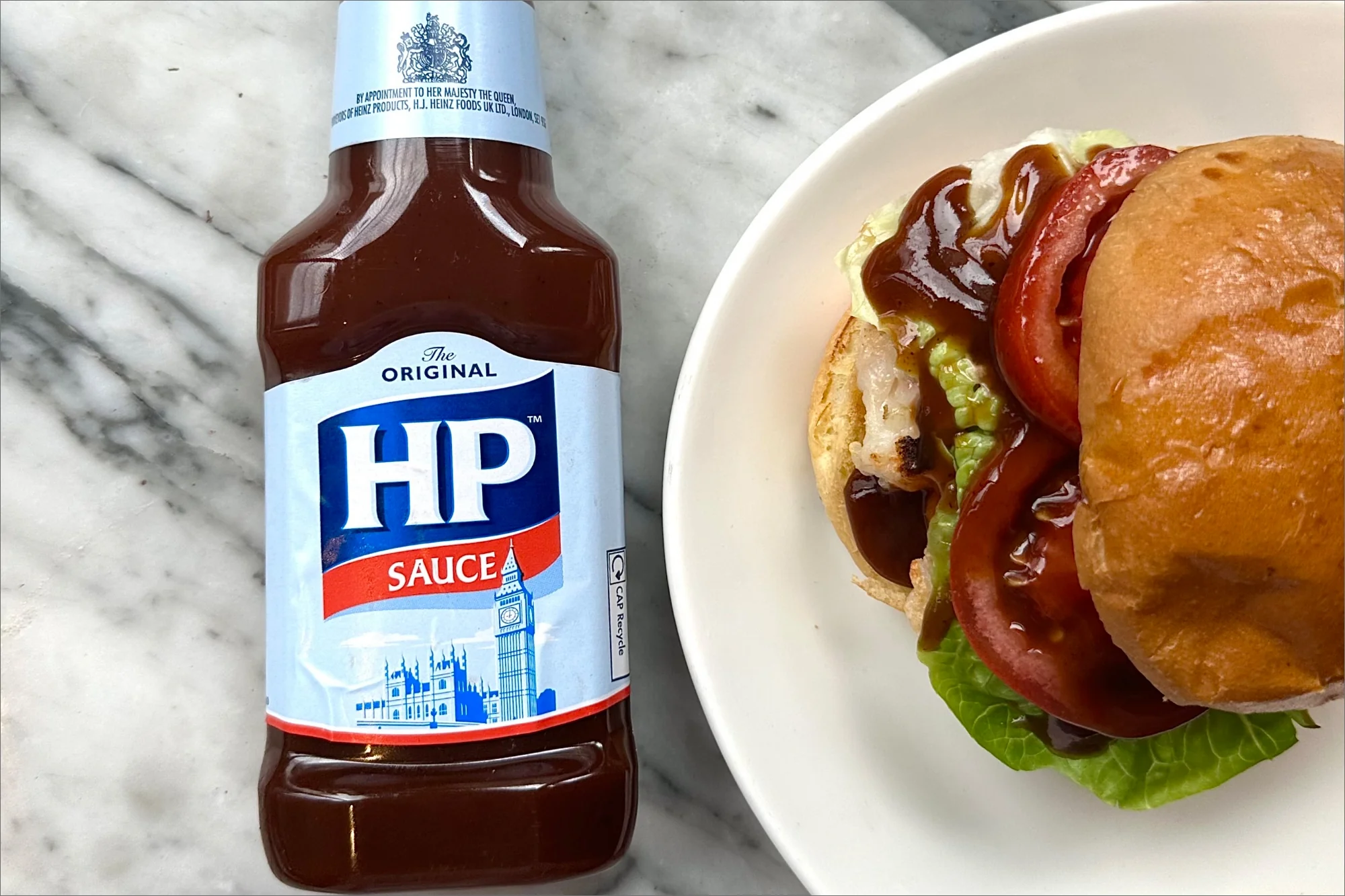
Beyond its taste, hp sauce has become a symbol of British culinary culture. Its signature bottle featuring the Houses of Parliament has helped it stand out on supermarket shelves, making it both a practical kitchen essential and a cultural icon. Generations of families have relied on hp sauce to complement meals, proving its timeless appeal and versatility.
History of HP Sauce
HP Sauce was first created in Nottingham in 1899 by Frederick Gibson Garton. Originally designed as a tangy condiment to enhance cooked meats, the sauce quickly gained popularity across the UK. The “HP” in its name refers to London’s Houses of Parliament, famously depicted on the original label. This association with a national landmark helped establish hp sauce as a truly British product.
Over the years, hp sauce evolved from a regional favourite to a household staple. Its acquisition by Kraft Heinz ensured continued production and global distribution while preserving the classic recipe. Today, hp sauce remains a quintessential part of British cuisine, celebrated for both its rich heritage and its ability to enhance a wide variety of meals.
Ingredients and Flavour Profile
The distinctive taste of hp sauce comes from a carefully balanced blend of ingredients. Its main components include tomatoes, malt vinegar, and molasses, which create a rich, tangy, and slightly sweet base. Additional spices and flavourings contribute to the sauce’s complex aroma, resulting in a taste that is both bold and versatile. This combination makes hp sauce suitable for a wide range of dishes, from hearty breakfasts to modern culinary creations.
Unlike other condiments, hp sauce has a unique tanginess that complements meat, vegetables, and even eggs. Its slightly spicy undertone and thick consistency set it apart from simple tomato ketchup, offering a more sophisticated flavour profile. Many food enthusiasts and chefs prefer hp sauce for its ability to elevate the simplest meals, giving a familiar taste a distinctly British character.
Types and Variants of HP Sauce
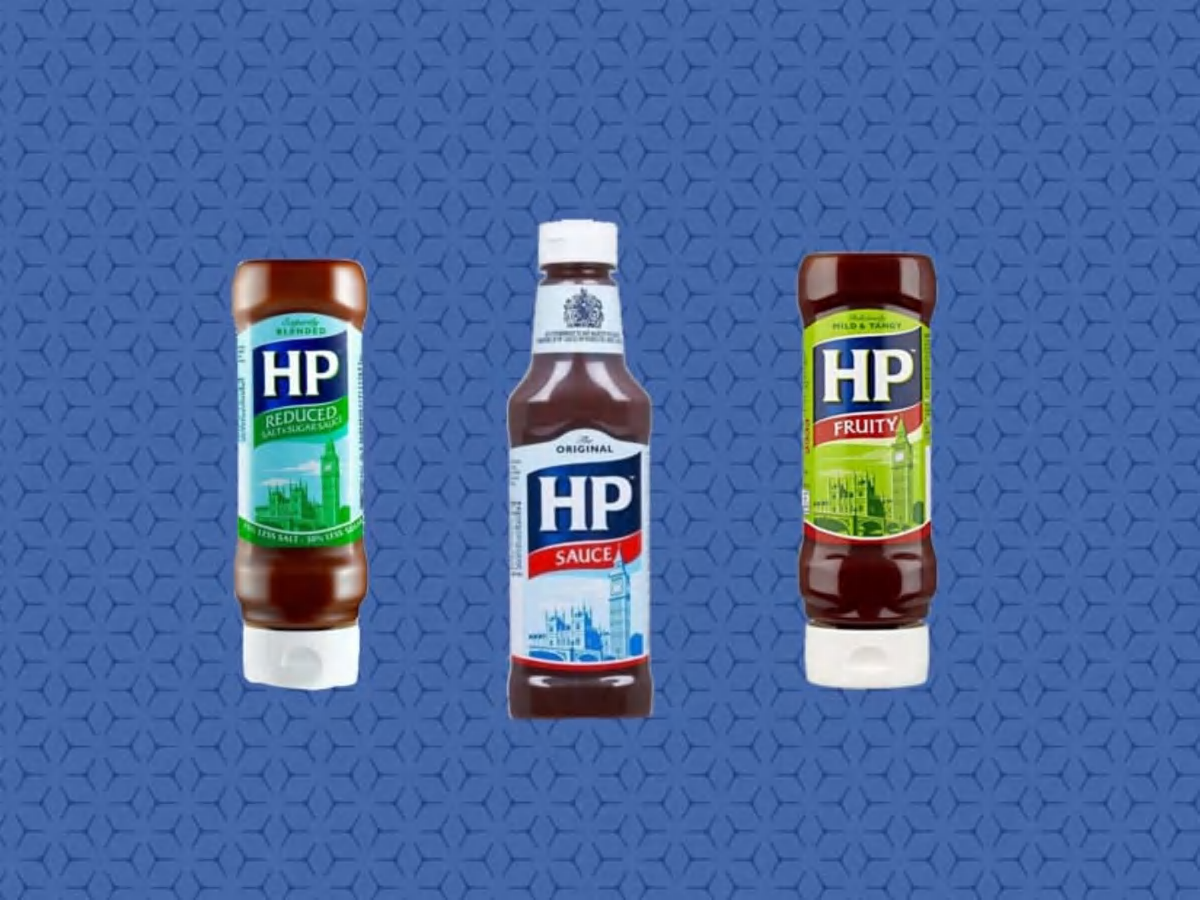
While the original hp sauce remains the most popular, the brand has expanded its range to include several variants. HP Fruity offers a milder and sweeter option, ideal for those who prefer less spice. HP BBQ Sauce brings a smoky flavour to grilled dishes, making it a versatile choice for barbecues and meat-based recipes.
Occasionally, limited edition or regional flavours are released, offering new taste experiences while maintaining the signature tang of hp sauce. Each variant keeps the rich and balanced flavour that fans expect while providing subtle differences in taste and texture. Whether enjoying the original or experimenting with a new flavour, hp sauce consistently delivers a memorable culinary experience.
How to Use HP Sauce
Traditionally, hp sauce is paired with classic British meals. It is a perfect accompaniment for bangers and mash, full English breakfasts, and bacon sandwiches, enhancing the flavours of each dish. Its tangy and slightly sweet profile complements cooked sausages, eggs, fried potatoes, and grilled meats, creating an iconic British taste that has been cherished for generations.
In modern kitchens, hp sauce has become increasingly versatile. It can be used in marinades, salad dressings, and even as a flavour booster for pasta, roasted vegetables, and burgers. Its ability to add depth and richness to a variety of dishes has made hp sauce a favourite not only for traditional recipes but also for creative and contemporary cooking styles.
HP Sauce in Popular Culture
HP Sauce is more than just a condiment; it is a cultural icon in Britain. Recognisable for its Big Ben label, it has appeared in advertisements, cookbooks, and television shows, symbolising British culinary tradition. Its presence on tables across the UK has helped generations associate the sauce with home-cooked meals, celebrations, and everyday dining.
Internationally, hp sauce has also become synonymous with British cuisine. Exported to many countries, it allows people worldwide to experience an authentic taste of Britain. Its blend of history, flavour, and branding has helped hp sauce remain a beloved staple for both domestic use and global recognition, proving that a simple condiment can carry significant cultural weight.
Buying and Storing HP Sauce
HP Sauce is widely available across the UK in supermarkets, online stores, and specialty shops. It comes in various packaging options, including glass bottles and squeezable versions for convenience. Pricing varies depending on location and bottle size, making it accessible for most households. Regular availability ensures that fans can enjoy hp sauce year-round without difficulty.
To preserve its unique flavour, hp sauce should be stored in a cool, dry place and refrigerated after opening. Proper storage helps maintain its tangy, slightly spicy taste and thick consistency. With a long shelf life, hp sauce remains a convenient and reliable addition to any kitchen, ready to enhance meals at any time.
Conclusion
HP Sauce is a truly iconic British condiment that combines rich history, bold flavour, and remarkable versatility. From traditional breakfasts and bangers and mash to creative modern recipes, it continues to be a favourite across the UK. Its tangy, slightly spicy taste adds depth to meals, while its cultural significance makes it a beloved part of British culinary heritage.
Whether enjoyed in the original form or explored through its variants, hp sauce remains a must-have for anyone seeking authentic British flavours. Its enduring appeal and versatility ensure that it will continue to be celebrated for generations to come.
You may also read: How to Buy Cheddar Cheese in the UK