Stilton Cheese: England’s Iconic Blue Cheese, Taste, History & Delicious Recipes
Stilton cheese is renowned as one of England’s most celebrated blue cheeses, treasured for its distinctive flavour, creamy yet crumbly texture, and iconic marbled appearance. Originating in Derbyshire, Leicestershire, and Nottinghamshire, Stilton cheese holds a protected designation of origin (PDO), ensuring its authenticity and adherence to traditional production methods. Over centuries, this cheese has become a symbol of British culinary heritage, enjoyed by cheese lovers across the UK and internationally.
Stilton cheese is versatile in both traditional and contemporary cuisine. It can be enjoyed on a cheese board, crumbled over salads, melted into sauces, or incorporated into hearty soups. Its tangy aroma and bold flavour make it a standout ingredient that elevates simple dishes, while its rich history adds cultural depth to any culinary experience.
What is Stilton Cheese?
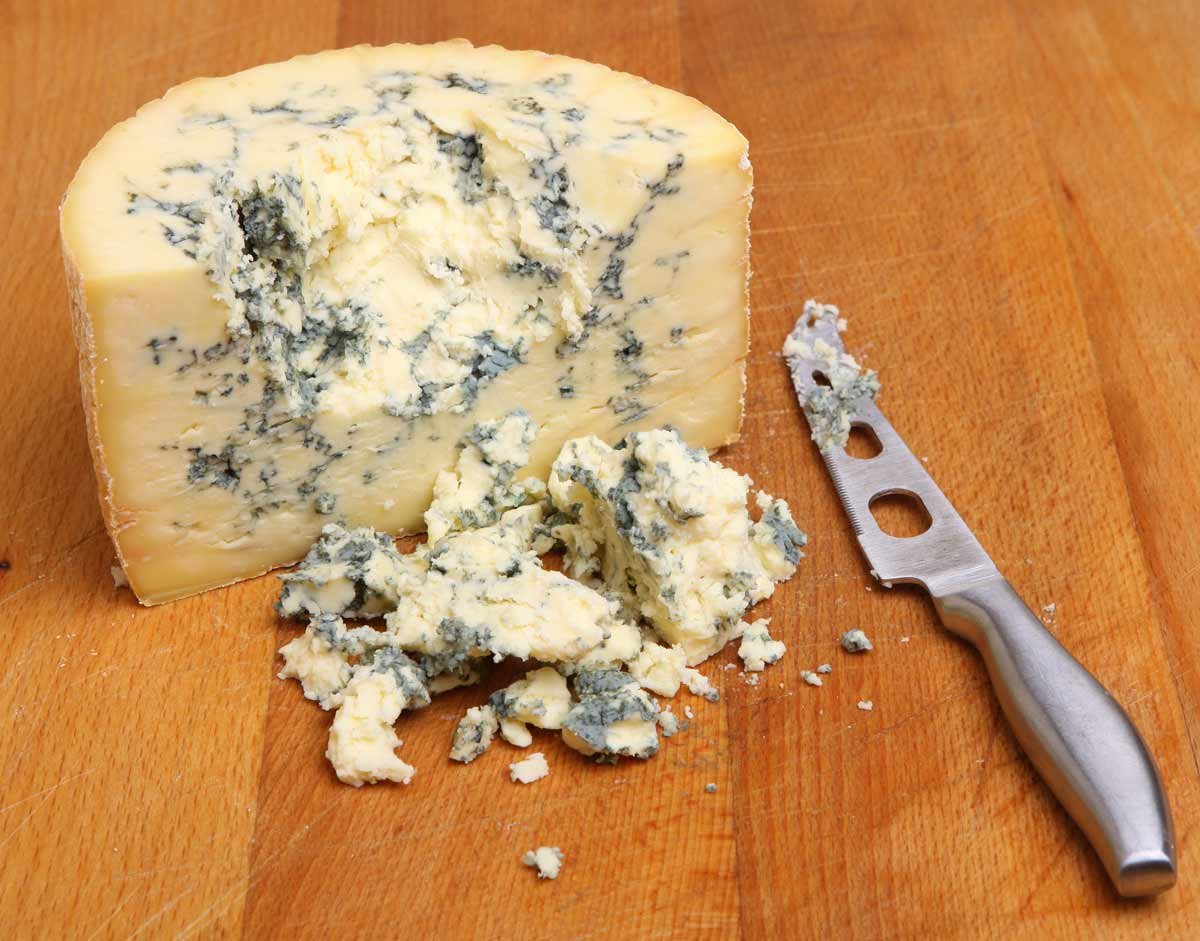
Stilton cheese comes in two main varieties: Blue Stilton and White Stilton. Blue Stilton is famous for its characteristic marbled blue veins, robust flavour, and slightly crumbly texture, which offers a creamy finish on the palate. White Stilton, on the other hand, is milder and often combined with fruits, herbs, or other flavourings, making it versatile for both sweet and savoury recipes. Authentic Stilton cheese is made exclusively from full-fat cow’s milk sourced from the three designated English counties.
Genuine Stilton cheese is produced following strict regulations to maintain its signature quality and flavour. Renowned producers, including Colston Bassett Stilton and The Bell Stilton, uphold these standards, making it easy for consumers to identify authentic products. Stilton cheese is not only a treat on its own but also an essential ingredient for dishes like soups, pies, and sauces, enhancing their richness and depth.
History of Stilton Cheese
The history of Stilton cheese stretches back to the early 18th century. Despite its name being derived from the village of Stilton, the cheese was primarily produced in nearby counties. Over the centuries, Stilton cheese gained the reputation of being the “King of English Blue Cheese,” celebrated for its strong flavour, crumbly yet creamy texture, and cultural significance in British cuisine. Its long-standing heritage has made it a symbol of culinary tradition across the UK.
Stilton cheese has appeared in literature and popular culture, often referenced for its distinctive taste and prestigious status. It was enjoyed by royalty, mentioned in historic cookbooks, and remains a favourite in modern British kitchens. Even today, the story of Stilton cheese continues to captivate food enthusiasts, making it more than just a cheese, but a cultural icon with a rich history and enduring appeal.
Taste, Texture, and Pairings of Stilton Cheese

Stilton cheese is prized for its complex taste profile, combining tangy, nutty, and slightly sweet undertones with a creamy, crumbly texture. Blue Stilton, with its marbled veins of Penicillium roqueforti, offers a bold flavour that pairs well with robust wines, fresh fruits, and crunchy crackers. The texture of Stilton cheese allows it to crumble perfectly over salads or melt smoothly into sauces and soups, enhancing both flavour and presentation.
Pairing Stilton cheese with other foods is a culinary delight. Its tangy richness complements fruits like pears and apples, while its creamy texture balances the saltiness of cured meats. Stilton cheese also shines in classic dishes, such as a creamy Stilton sauce for steak or in hearty pies and soups. The combination of flavour, aroma, and texture makes it an indispensable ingredient in British cuisine.
Cooking with Stilton Cheese
Stilton cheese is exceptionally versatile in cooking, offering depth and richness to a wide range of recipes. One of the most popular dishes featuring Stilton cheese is broccoli and Stilton soup, a creamy and comforting option enjoyed throughout the UK. Variations, including cauliflower and Stilton soup or Stilton and broccoli soup, provide warming, nutrient-rich meals, perfect for family dinners or festive occasions.
Beyond soups, Stilton cheese is a favourite for sauces, pies, and baked dishes. A classic example is steak with Stilton sauce, which highlights the cheese’s tangy, creamy flavour alongside tender meat. Stilton cheese can also be used in pasta dishes, savoury tarts, and even salads. Using a soup maker for broccoli and Stilton soup or similar recipes simplifies preparation, making gourmet dishes accessible at home.
Buying and Storing Stilton Cheese
Choosing authentic Stilton cheese is essential for enjoying its true flavour and texture. Look for trusted brands like Colston Bassett Stilton and The Bell Stilton, which follow strict PDO regulations. Authentic Stilton cheese guarantees a balance of tangy, creamy, and crumbly textures, making it perfect for eating on its own or cooking. Avoid unverified products, as they may not meet these standards.
Proper storage of Stilton cheese preserves its freshness and flavour. Wrap it in parchment or foil and keep it in the refrigerator, ideally in the vegetable drawer for stable temperature. While Stilton cheese can be frozen, it is recommended to use it within a few months, as freezing can slightly alter texture. Storing it correctly ensures you can enjoy it in soups, sauces, or as part of a cheese board.
Popular Recipes Featuring Stilton Cheese
Stilton cheese elevates a wide variety of recipes, from traditional soups to indulgent main courses. Classic dishes include broccoli and Stilton soup, cauliflower and Stilton soup, and steak with Stilton sauce, each highlighting the cheese’s creamy, tangy flavour. Stilton cheese is also perfect in pies, quiches, pasta dishes, and even salads, offering a unique richness that enhances every bite.
Home cooks and professional chefs alike appreciate Stilton cheese for its versatility. Crumbled over fresh vegetables or melted into sauces, it adds depth to flavours and textures. Recipes such as broccoli and Stilton soup or a hearty steak with Stilton sauce demonstrate how the cheese’s distinct characteristics can transform ordinary dishes into memorable culinary experiences, making it an essential ingredient in British kitchens.
Conclusion
Stilton cheese is more than just a blue cheese; it is a symbol of English culinary heritage, celebrated for its rich flavour, crumbly yet creamy texture, and versatility in cooking. From classic soups to indulgent pies and sauces, Stilton cheese enhances every dish it touches. Its protected designation of origin and centuries-long history guarantee an authentic and memorable taste experience.
For anyone exploring British cheeses, Stilton cheese is an essential culinary discovery. Whether eaten on its own, paired with wine, or incorporated into recipes like broccoli and Stilton soup, steak with Stilton sauce, or pies, its bold taste and creamy texture ensure it remains a favourite for generations.
You may also read: Homemade Heinz-Style Baked Beans Recipe