Digestive Biscuits: History, Recipes & Best Brands in the UK
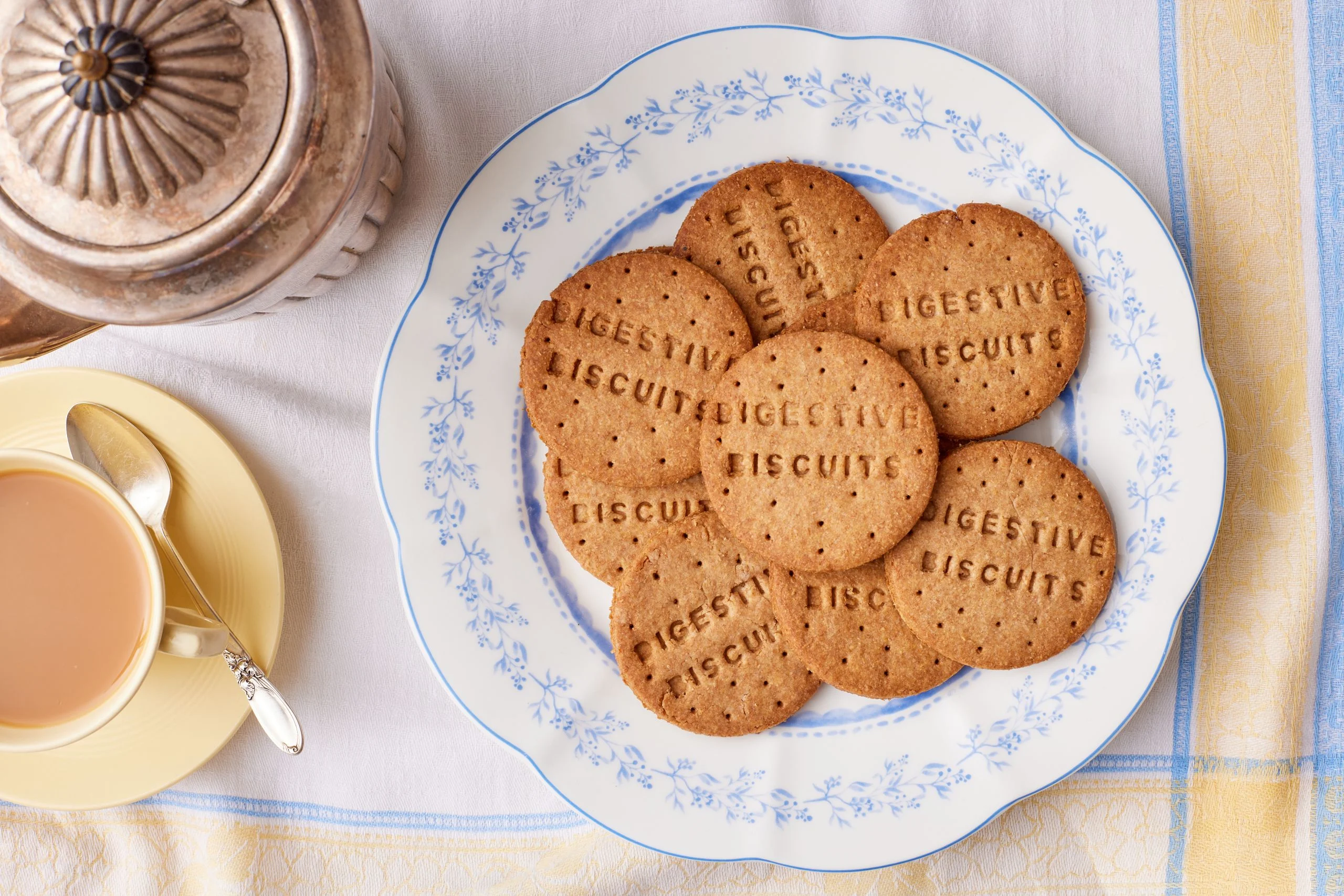
Digestive biscuits are one of the most recognised and beloved snacks in the UK, enjoyed by millions with a cup of tea or coffee. Originally created in the 19th century by Scottish doctors to aid digestion, these semi-sweet biscuits quickly became a staple in British households. Over time, digestive biscuits have evolved from simple health-supporting snacks to indulgent treats, with chocolate-coated varieties and gluten-free alternatives gaining widespread popularity.
The enduring appeal of digestive biscuits lies in their unique balance of mild sweetness and light crunch. They are versatile, enjoyed on their own, with spreads like jam or chocolate, or used in recipes for desserts like cheesecake bases. Beyond taste, digestive biscuits are often associated with digestive health, giving them a historical and nutritional context that continues to intrigue snack lovers in the UK and beyond.
History of Digestive Biscuits
Digestive biscuits were first developed in Scotland in the 1830s, designed as a health-conscious snack to support digestion. Made with coarse wheat flour and lightly sweetened, the original biscuits were intended to help the digestive system function more efficiently. Their name reflects this purpose, highlighting the early link between food and health. As the recipe spread, the biscuits became a common household staple, appreciated for both taste and nutritional balance.
Over the years, digestive biscuits have undergone many transformations, from plain varieties to chocolate-covered options and flavoured editions. Iconic UK brands like McVities played a major role in popularising digestive biscuits, creating products that remain synonymous with quality and tradition. Chocolate digestives, for instance, added a luxurious twist, combining the classic biscuit crunch with smooth chocolate, which has cemented their popularity across generations.
Understanding the Digestive System
The human digestive system is a sophisticated network of organs responsible for breaking down food and absorbing nutrients efficiently. Digestive enzymes, secreted by tissues in the stomach and intestines, are essential for processing carbohydrates, proteins, and fats into usable energy. Digestive biscuits, although primarily a snack, were initially linked to digestive health due to their simple ingredients and fibre content, which were believed to support a smoother digestive process.
Digestive juices, produced by specialised tissues in the stomach, work continuously to break down food, ensuring nutrients are absorbed into the bloodstream. Understanding the digestive system helps explain why biscuits named “digestive” were originally marketed with health in mind. While digestive biscuits alone cannot cure digestive issues, enjoying them in moderation can complement a balanced diet and maintain a satisfying, enjoyable snack routine.
Nutritional Profile of Digestive Biscuits

Digestive biscuits are typically made with whole-grain wheat flour, sugar, and butter, offering a combination of fibre and energy. The fibre in the flour can support digestive health by promoting regular bowel movements, while the carbohydrates provide a quick source of energy. Chocolate-covered varieties enhance flavour but also increase sugar content, so moderation is recommended for daily consumption.
For individuals with dietary restrictions, gluten-free digestive biscuits have become widely available, providing similar texture and taste without the gluten content. Despite being a biscuit, the whole-grain content and simplicity of ingredients make digestive biscuits a better choice than many alternative sweet snacks. They offer a satisfying crunch, versatile flavour options, and a nostalgic connection to traditional UK snacking habits.
Popular Digestive Biscuit Brands in the UK
McVities digestive biscuits are perhaps the most iconic and widely recognised brand in the UK, known for their consistent quality, rich flavour, and classic texture. Alongside McVities, brands such as Bisconni and speciality gluten-free producers offer diverse options catering to health-conscious consumers and those seeking indulgent variations. Chocolate-coated digestives and reduced-sugar alternatives are now common, reflecting the evolving tastes and dietary requirements of UK consumers.
These biscuits are available in supermarkets, online stores, and speciality shops across the UK, including London Digestive Centre and other local retailers. Many brands continue to innovate, introducing high-fibre, lower-sugar, and flavoured variants to maintain their popularity. By offering a wide range of products, digestive biscuits remain a staple snack that appeals to both traditional tastes and modern health preferences.
Homemade Digestive Biscuit Recipes
Making digestive biscuits at home allows bakers to experiment with ingredients, flavours, and textures, ensuring freshness and quality. A classic homemade recipe typically includes whole-wheat flour, butter, sugar, and a pinch of salt, producing biscuits that are crunchy, slightly sweet, and perfect for pairing with tea. Chocolate digestive variations can be created by coating the biscuits with melted dark or milk chocolate for added indulgence.
For those seeking gluten-free options, oat flour, rice flour, or other alternatives can be used without compromising texture or taste. Homemade digestive biscuits also allow for portion control and ingredient customisation, making them ideal for families and health-conscious snackers. Whether plain, chocolate-coated, or gluten-free, these biscuits offer a satisfying treat that honours tradition while embracing modern dietary preferences.
Digestive Health Tips & FAQs
Digestive biscuits can be a part of a balanced diet when enjoyed in moderation. While they do not serve as a medical treatment, the fibre content may aid in maintaining regular digestive function. People experiencing digestive issues may benefit from additional support such as digestive enzyme supplements or lifestyle adjustments, but incorporating snacks like digestive biscuits can be a simple, enjoyable part of daily nutrition.
Maintaining overall digestive health involves understanding the causes of digestive issues, including poor diet, stress, and lifestyle factors. Occasional indulgence in digestive biscuits, particularly those made from whole grains or with minimal sugar, complements a balanced diet. For pet owners, products such as Royal Canin Digestive Care or VetPro Digestive Function provide targeted digestive support, reflecting the broader importance of digestive health across humans and animals.
Conclusion
Digestive biscuits are much more than a simple snack; they represent a rich history, a connection to digestive health, and a versatile addition to the UK diet. From traditional recipes to chocolate-coated varieties and gluten-free options, digestive biscuits cater to a wide range of tastes and dietary preferences. Whether enjoyed at home, with tea, or as part of a dessert, digestive biscuits remain a beloved treat, offering both flavour and a nod to their historical purpose of supporting digestion.
You may also read: How to Cook Birds Eye Fish Fingers