Nutrition Plan: How to Build a Healthy Eating Strategy for Long-Term Wellness
A nutrition plan is more than a diet—it is a structured approach to eating that supports health goals and daily energy needs. Proper nutrition improves physical performance, mental clarity, and disease prevention.
Understanding the Purpose of a Nutrition Plan
A nutrition plan helps organize meals based on nutrient requirements rather than random eating habits. It ensures your body receives carbohydrates, proteins, fats, vitamins, and minerals in balanced amounts.
Instead of restrictive dieting, a nutrition plan promotes sustainability.
Key Components of a Balanced Nutrition Plan
Carbohydrates
Carbohydrates provide energy. Choose complex carbs such as whole grains, fruits, and vegetables instead of refined sugars.
Proteins
Protein supports muscle repair and growth. Good sources include eggs, fish, beans, and dairy products.
Healthy Fats
Healthy fats support brain and heart health. Include nuts, seeds, avocado, and olive oil.
Vitamins and Minerals
Micronutrients strengthen immunity and support body functions. A colorful plate usually indicates nutrient diversity.
Meal Planning Strategies
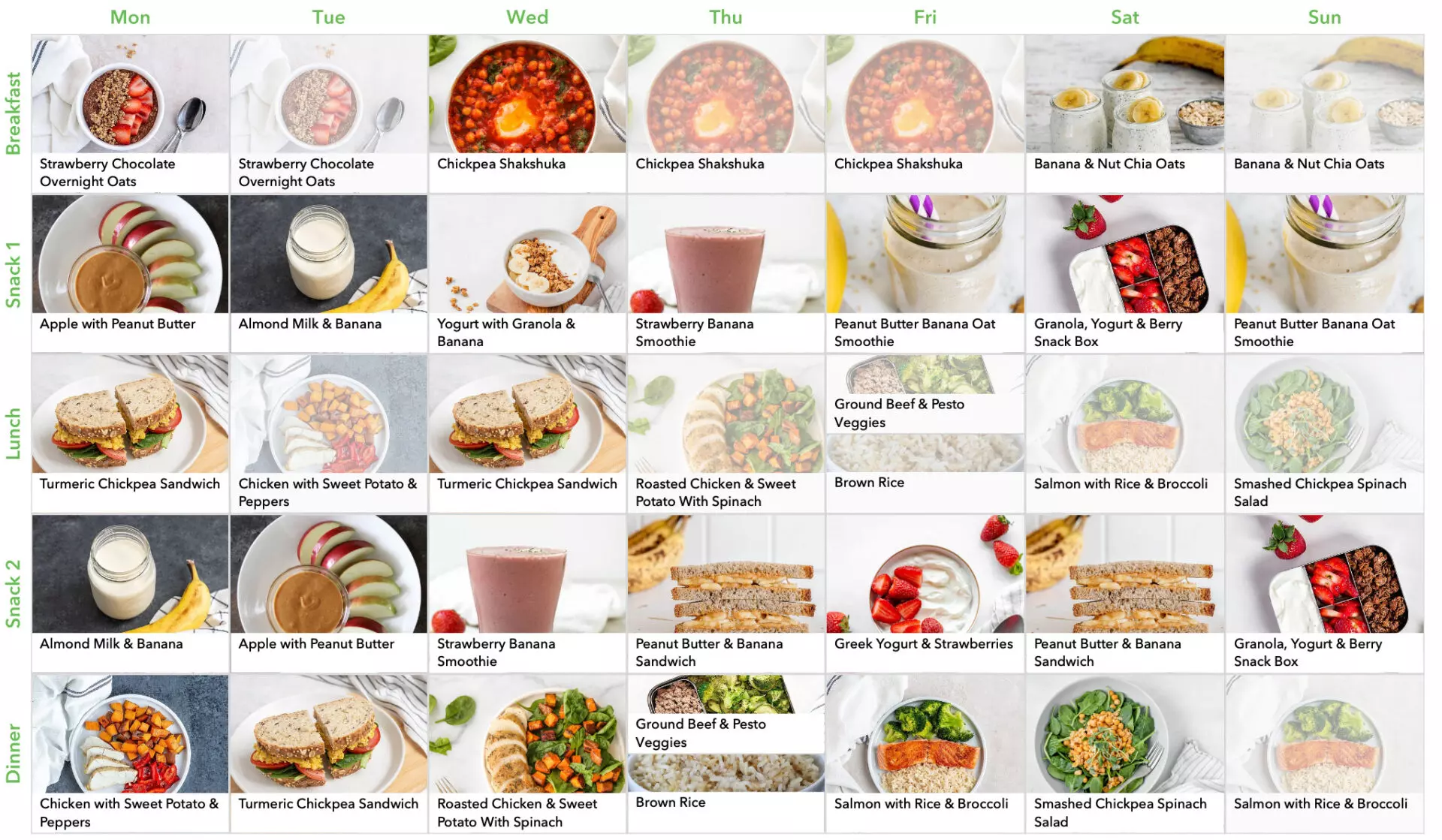
Planning meals reduces unhealthy food choices. Prepare weekly menus and grocery lists to maintain consistency.
Eating every 3–4 hours helps maintain stable energy levels.
Hydration and Nutrition
Water plays a vital role in digestion and metabolism. Proper hydration improves nutrient absorption and energy levels.
Adjusting Nutrition for Goals
Different goals require different plans:
- Weight loss → calorie awareness
- Muscle gain → higher protein intake
- General health → balanced nutrition
Common Nutrition Mistakes
Skipping meals, following extreme diets, and ignoring portion sizes often lead to poor results. Moderation and consistency are essential.
Conclusion
A good nutrition plan supports long-term health rather than temporary results. Balanced meals, proper hydration, and mindful eating habits create sustainable wellness.