Shingles Vaccine: Who Should Get It, Effectiveness and NHS Guidance in the UK
Shingles is a painful viral infection caused by the reactivation of the varicella-zoster virus, the same virus responsible for chickenpox. It often appears later in life when immunity weakens, leading to a burning sensation, rash, and sometimes long-term nerve pain. The shingles vaccine plays a vital role in reducing both the risk of infection and the severity of complications, especially in older adults across the UK.
In the UK healthcare system, the shingles vaccine is strongly supported under NHS guidance as a preventative measure. It is designed to protect people who are most at risk, particularly those over 50 or individuals with weakened immune systems. With rising awareness, the shingles vaccine is now seen as an essential part of healthy ageing, helping people avoid prolonged discomfort and serious complications.
What is shingles and how does it develop in the body
Shingles is a condition that develops when the chickenpox virus, which remains dormant in nerve tissues after childhood infection, becomes active again. This reactivation can occur due to ageing, stress, illness, or a weakened immune system. Once activated, the virus travels along nerve pathways, leading to pain, inflammation, and a distinctive blistering rash.
Many people ask how do you get shingles, but it is not typically caught from others. Instead, it originates within the body itself. However, someone with shingles can pass the virus to another person who has never had chickenpox, potentially causing chickenpox rather than shingles. This distinction is important when understanding transmission and prevention.
Early shingles symptoms and warning signs to recognise
Early shingles symptoms often begin subtly, starting with tingling, itching, or burning sensations in a specific area of the body. These early signs may appear days before the rash develops, making it easy to mistake the condition for muscle pain or skin irritation. Recognising these symptoms early can help ensure quicker treatment and reduce complications.
As the infection progresses, symptoms of shingles become more visible and painful. A red rash typically forms, followed by fluid-filled blisters that eventually crust over. Fatigue, headache, and mild fever may also occur. Early identification is important because prompt medical treatment can significantly reduce severity and shorten the duration of the illness.
What does shingles look like and where it commonly appears
Shingles rash usually appears as a cluster of red patches that develop into painful blisters. These blisters may burst, ooze, and then form scabs as healing begins. The rash often follows a band-like pattern along one side of the body, corresponding to the affected nerve pathway.
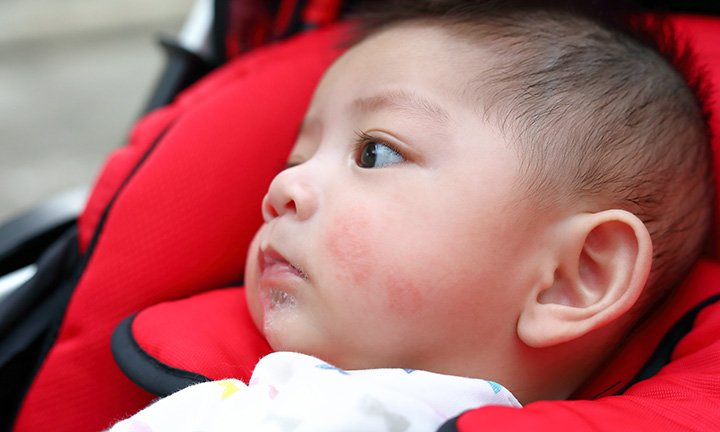
In more serious cases, shingles on face can occur, which may affect the eyes or surrounding nerves. This requires urgent medical attention due to the risk of vision complications. Many people search for pictures of shingles to understand its appearance, as it can sometimes be confused with other skin conditions such as eczema or allergic reactions.
Is shingles contagious and what are the real risks
A common concern is is shingles contagious, and the answer requires careful explanation. Shingles itself is not directly spread from person to person like a cold or flu. However, the virus inside the blisters can spread to someone who has never had chickenpox, leading them to develop chickenpox instead.
Shingles contagious risks are mainly associated with direct contact with fluid from the rash. This is why covering the affected area and maintaining hygiene is important. People at higher risk, such as pregnant women, newborns, and immunocompromised individuals, should avoid contact with active shingles cases until the blisters have fully healed.
Shingles treatment options and medical care approaches
Shingles treatment usually involves antiviral medications, which work best when taken early in the infection. These medicines help reduce the severity of symptoms, shorten recovery time, and lower the risk of complications. Doctors may also prescribe pain relief medication depending on the level of discomfort experienced by the patient.
Shingles treatments can also include supportive care such as cool compresses, rest, and skin protection. In some cases, nerve pain may continue after the rash disappears, a condition known as post-herpetic neuralgia. This can require long-term pain management and highlights the importance of early intervention and prevention.
How long does shingles last and what affects recovery
The question of how long does shingles last varies depending on age, immune health, and how quickly treatment begins. In most cases, the rash lasts between two to six weeks, gradually healing as blisters dry and scabs form. However, pain can sometimes persist even after the skin has recovered.
Recovery time may be longer for older adults or individuals with weakened immune systems. Complications such as long-term nerve pain can significantly affect quality of life. Early treatment and preventive measures like vaccination can greatly reduce the duration and severity of the illness.
Shingles vaccine and NHS guidance for protection in the UK
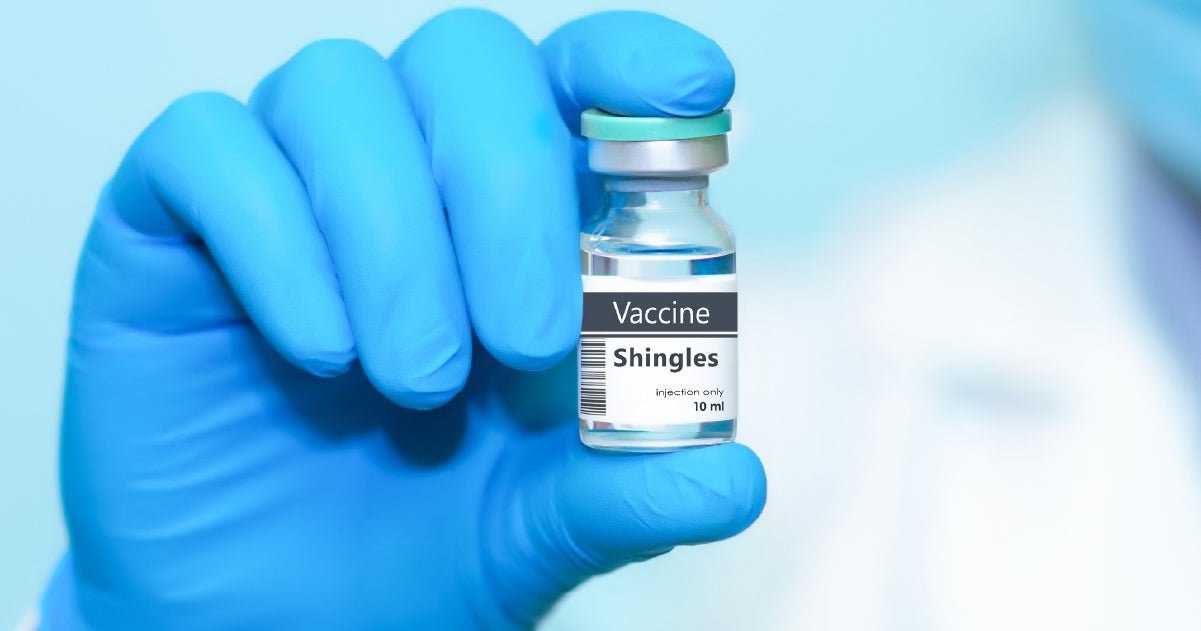
The shingles vaccine is a key part of preventive healthcare in the UK and is supported by NHS guidance. It is typically offered to older adults and those at higher risk of developing shingles. The shingles vaccine helps reduce the likelihood of infection and significantly lowers the risk of severe complications.
The shingles vaccine is administered in two doses and provides strong protection against the virus. It is widely recommended for individuals over 50 years of age, as immunity naturally declines with age. The shingles vaccine has become an important public health tool in reducing hospital admissions and long-term nerve pain cases.
Shingles vaccine effectiveness and long-term benefits
The shingles vaccine is highly effective, with studies showing strong protection against both shingles and post-herpetic neuralgia. Even if a vaccinated person develops shingles, symptoms are usually milder and recovery is faster. This makes the vaccine a valuable preventive measure for long-term health.
The shingles vaccine also helps reduce the overall burden on healthcare systems by preventing severe cases. Its effectiveness increases its importance among ageing populations in the UK. Many health professionals recommend it as a routine protective step for maintaining quality of life and reducing long-term discomfort.
Shingles vaccine side effects and safety considerations
Shingles vaccine side effects are generally mild and temporary, making it a safe option for most individuals. Common reactions include soreness at the injection site, mild fever, fatigue, or headache. These symptoms typically resolve within a few days without medical intervention.
Serious side effects are extremely rare, and the benefits of the shingles vaccine far outweigh the risks for eligible individuals. NHS guidance supports its use as a safe and effective preventive measure. Understanding possible reactions helps individuals feel more confident when deciding to receive vaccination.
Preventing shingles through lifestyle and vaccination
Preventing shingles involves both vaccination and maintaining a healthy immune system. A balanced diet, regular exercise, stress management, and adequate sleep all contribute to stronger immunity. However, these lifestyle measures alone cannot fully prevent shingles in high-risk individuals.
The shingles vaccine remains the most effective form of protection available. When combined with healthy habits, it provides strong defence against infection and complications. Preventive healthcare plays a vital role in reducing long-term pain and improving quality of life, especially for ageing populations.
Conclusion on shingles awareness and vaccine protection
Shingles is a painful condition that can significantly affect daily life, particularly in older adults. Understanding symptoms, transmission, treatment, and recovery helps individuals make informed health decisions. Awareness of early signs is crucial for timely medical intervention and improved outcomes.
The shingles vaccine remains the most reliable protection against this condition in the UK. Supported by NHS guidance, it reduces both the risk and severity of infection. Choosing vaccination is an important step toward long-term health protection, helping individuals avoid painful complications and maintain a better quality of life.
You may also read: Why the BMI Calculator UK is Useful for Everyday Health