Esthetician: What Does an Esthetician Do? Salary, Training & Career Guide (2026)
An esthetician is a trained skincare professional who focuses on improving the health and appearance of the skin through non-medical cosmetic treatments. The role of an esthetician has become increasingly important in the modern beauty industry, especially as skincare awareness continues to grow across the UK. People now seek personalised treatments, professional advice, and long-term skin maintenance, all of which are delivered by a qualified esthetician in salons, spas, and clinics.
A professional esthetician combines technical skincare knowledge with client-focused care to deliver safe and effective beauty treatments. This includes analysing skin conditions, recommending suitable products, and performing treatments designed to enhance natural beauty. As demand increases, the esthetician career continues to expand, offering strong opportunities for individuals who are passionate about skincare, wellness, and helping others feel confident in their appearance.
What Does an Esthetician Do?
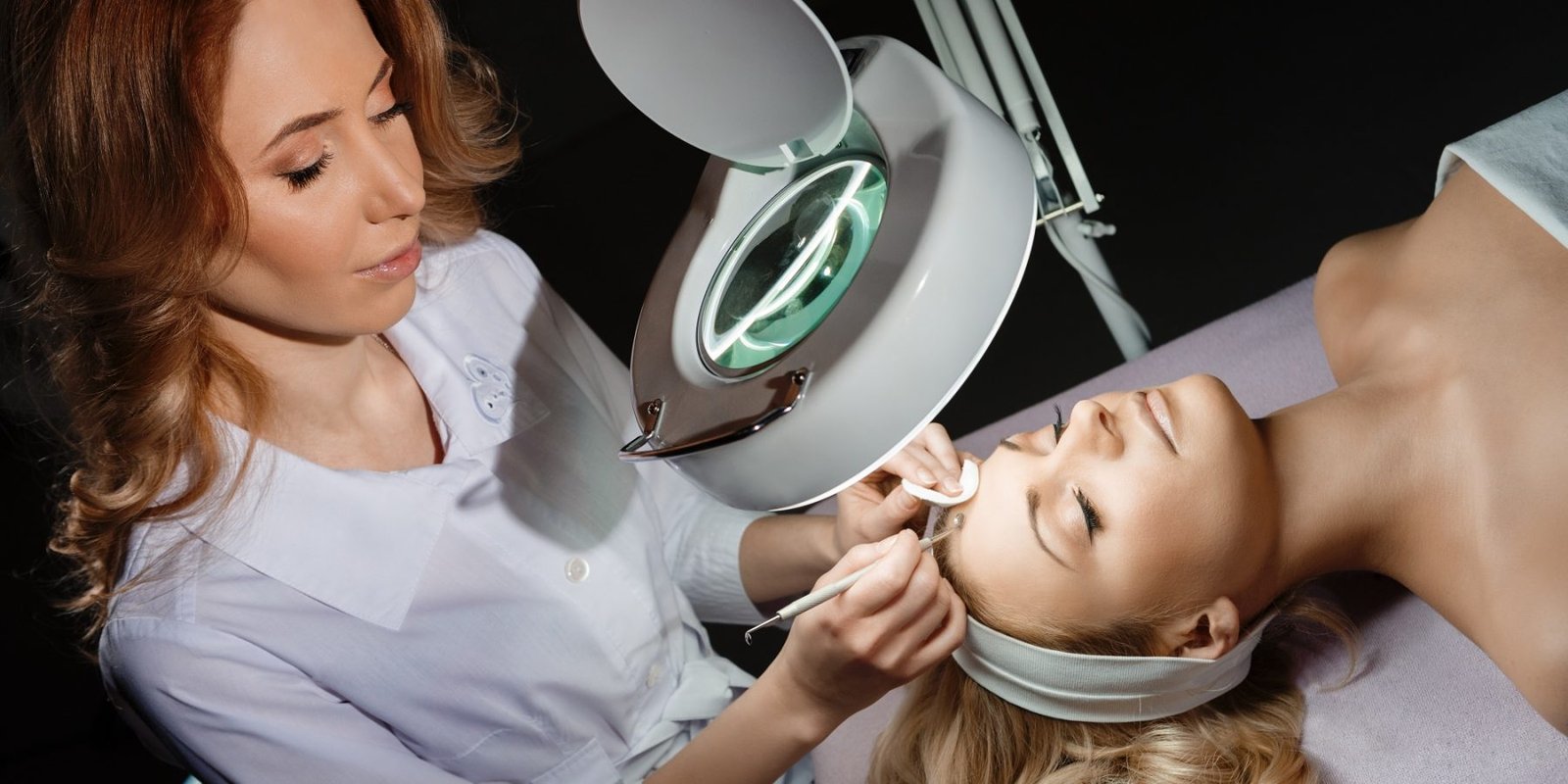
An esthetician is responsible for a wide range of cosmetic skincare treatments that improve skin texture, tone, and overall appearance. These treatments often include facials, exfoliation, deep cleansing, and acne management. A skilled esthetician evaluates each client’s skin type before creating a personalised treatment plan, ensuring that every service is tailored to individual needs for the best possible results.
In addition to basic skincare services, an esthetician may also perform advanced non-invasive procedures such as chemical peels, microdermabrasion, waxing, and LED light therapy depending on their qualifications and workplace. A major part of the esthetician role is also educating clients on skincare routines and product usage, helping them maintain healthy skin between appointments and build long-term skincare habits.
Types of Esthetician Careers
There are several career paths available for an esthetician, each offering different working environments and responsibilities. A spa esthetician typically focuses on relaxation-based treatments such as facials, body scrubs, and soothing skincare therapies. These professionals work in wellness-focused environments where client comfort and experience are a top priority.
A clinical or medical esthetician works in collaboration with dermatologists or medical professionals, providing advanced skincare support for clients with specific skin concerns. Meanwhile, freelance estheticians operate independently, offering mobile services or running private studios. Regardless of the path chosen, every esthetician plays an essential role in improving skin health and client confidence.
Skills Required to Become a Successful Esthetician
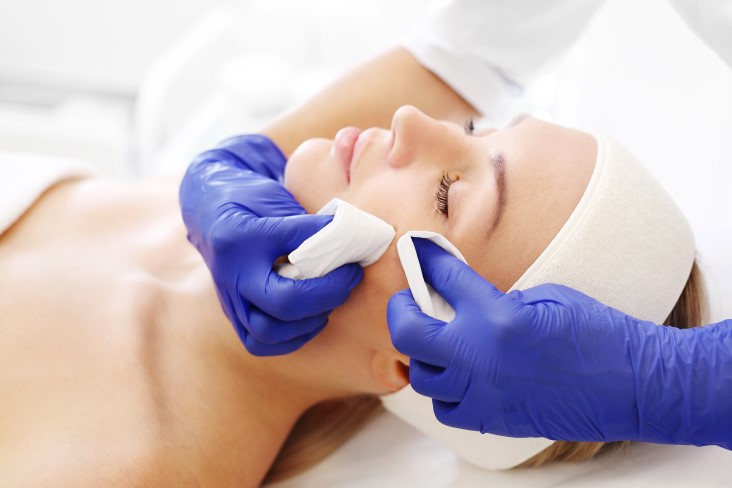
To succeed as an esthetician, a strong combination of technical knowledge and interpersonal skills is essential. A professional esthetician must understand different skin types, treatment techniques, and cosmetic product ingredients. Attention to detail is extremely important, as skincare treatments require precision, hygiene, and a deep understanding of safety standards.
Communication skills are equally important for an esthetician, as clients often rely on expert advice to solve skin concerns. A successful esthetician must be able to explain treatments clearly and build trust with clients. Staying updated with new skincare technologies, trends, and products also helps an esthetician remain competitive in the rapidly evolving beauty industry.
Esthetician Training and Qualifications in the UK
To become a qualified esthetician in the UK, individuals typically complete a recognised beauty therapy qualification such as NVQ Level 2 or Level 3. These courses provide essential training in skincare treatments, client consultation, hygiene practices, and professional standards. Practical training is a key component, helping aspiring estheticians gain real-world experience in beauty environments.
Many estheticians also pursue additional certifications or apprenticeships to enhance their skills and career opportunities. Continuous professional development allows an esthetician to stay updated with advanced treatments and industry innovations. With proper education and hands-on experience, an esthetician can build a strong foundation for long-term success in the skincare industry.
Esthetician Salary in the UK
The salary of an esthetician in the UK can vary depending on experience, location, and workplace type. Entry-level estheticians may start with a modest income, while experienced professionals working in luxury spas or medical clinics can earn significantly higher salaries. Specialised skills and advanced treatments can also increase earning potential for an esthetician.
Location plays an important role in determining how much an esthetician earns, with higher wages often found in major cities such as London. Freelance estheticians may also increase their income by building a loyal client base. Overall, the esthetician profession offers flexible earning potential with opportunities for growth over time.
Career Growth Opportunities for Esthetician
A career as an esthetician offers many growth opportunities for those willing to develop their skills and experience. With time, an esthetician can progress into senior roles such as spa manager, skincare specialist, or clinic supervisor. These positions often come with increased responsibility and higher earning potential.
Some estheticians choose to become business owners by opening their own skincare studios or offering freelance services. Others may work as brand consultants or skincare educators. The beauty industry continues to expand, giving every esthetician multiple pathways for long-term professional development and success.
Pros and Cons of Being an Esthetician
Working as an esthetician offers several benefits, especially for individuals passionate about skincare and beauty. The career allows creativity, flexibility, and the opportunity to make a positive impact on clients’ confidence. Many estheticians enjoy building strong client relationships and working in a dynamic, evolving industry.
However, being an esthetician can also be physically demanding, as it often involves long hours of standing and repetitive treatments. Income may vary depending on experience and employment type. Despite these challenges, many professionals find the esthetician career highly rewarding due to its balance of creativity, personal interaction, and growth potential.
How to Become an Esthetician Step by Step
The journey to becoming an esthetician begins with researching the profession and enrolling in a recognised beauty therapy course. Education provides essential knowledge about skin anatomy, treatment methods, and client care. Hands-on training is crucial, allowing future estheticians to build confidence in real-world environments.
After completing qualifications, aspiring estheticians can apply for roles in salons, spas, or clinics to gain experience. Some choose to continue training or specialise in advanced treatments. With dedication and ongoing learning, an esthetician can build a successful and long-lasting career in the beauty industry.
Conclusion
An esthetician plays a vital role in modern skincare by offering personalised treatments that improve skin health, appearance, and confidence. From basic facials to advanced cosmetic procedures, an esthetician combines science and beauty to deliver professional skincare solutions tailored to each client.
As the demand for skincare services continues to rise, the esthetician profession offers strong career prospects in the UK. With the right training, skills, and passion, becoming an esthetician can lead to a fulfilling and successful career in the growing beauty and wellness industry.
You may also read: What does shingles look like and where it commonly appears