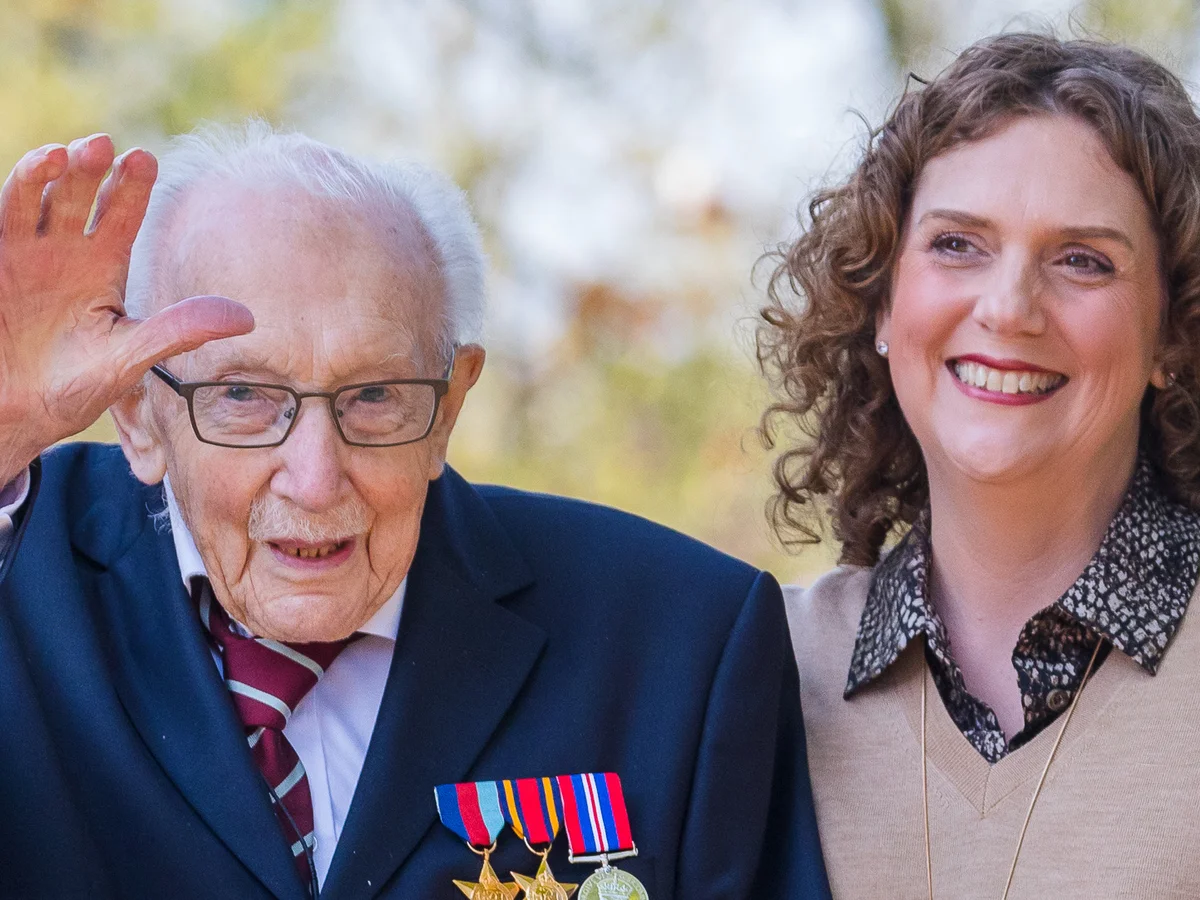
Captain Tom Foundation Scandal: The Full Story Behind Mismanagement, Family Controversy & Name Change
The Captain Tom Foundation was created to honour the legacy of Captain Tom Moore, the World War II veteran who became a national hero during the COVID-19 pandemic. Known for raising millions for the NHS through his inspiring garden walks, Captain Tom’s name symbolized hope, resilience, and generosity. The foundation was intended to continue his charitable mission, supporting elderly charities and community causes.
However, over time, the foundation became embroiled in a major scandal involving mismanagement, conflicts of interest, and family involvement. Media scrutiny, public outrage, and regulatory investigations exposed serious flaws in the charity’s governance. This article examines the full story behind the Captain Tom Foundation scandal, providing the latest updates, controversy details, legal implications, and lessons for charitable organisations.
Who Was Captain Tom Moore?
Captain Tom Moore, often referred to as Sir Captain Tom Moore, rose to fame during the COVID-19 pandemic for his extraordinary fundraising efforts. At 99 years old, he walked laps in his garden to raise money for NHS charities, capturing the hearts of millions across the UK. By the end of his fundraising campaign, Captain Tom had raised almost £33 million, earning him numerous honours, including a knighthood.
The Captain Tom Foundation was created shortly after to preserve his philanthropic legacy, aiming to continue supporting elderly charities and projects aligned with his values. While Captain Tom himself remained focused on charitable work, the foundation’s management was handed to trustees, including members of his family. This involvement later became a central point of controversy.
Captain Tom’s family, particularly his daughter Hannah Ingram-Moore, played a significant role in managing the foundation. While initially intended as a tribute to his legacy, their management decisions would soon spark allegations of self-enrichment and conflicts of interest, drawing public attention and criticism.
Establishment of the Captain Tom Foundation
The Captain Tom Foundation was founded in June 2020 with the stated goal of supporting charities aiding older adults. Its mission aligned with Captain Tom’s philanthropic vision: providing practical help, resources, and recognition for elderly people in need. The foundation quickly gained public attention, leveraging Captain Tom’s fame to attract donations and partnerships.
Trustees, including family members, were responsible for overseeing the foundation’s finances and activities. While donations initially went to good causes, concerns arose about how funds were managed. Reports suggested that some financial decisions directly benefited family members, raising questions about the charity’s ethical management.
The public expected transparency, given Captain Tom’s reputation and the millions donated. However, investigations later revealed systemic issues, highlighting how even well-intentioned charitable organisations can falter without professional oversight.
Controversy and Mismanagement

Investigations into the Captain Tom Foundation uncovered multiple instances of alleged mismanagement. A particularly striking controversy involved the family allegedly using the charity’s name to secure planning permission for a home spa and pool. While the funds for construction reportedly came from personal resources, the use of the foundation’s name in official documents drew criticism.
Additionally, reports indicated that family members received payments for roles that were meant to be voluntary. Hannah Ingram-Moore was said to have attempted to award herself a £100,000 salary and later received £60,000 for a part-time three-day-a-week role before being replaced by a professional fundraiser. Critics claimed this violated charity governance standards, fueling suspicions of personal enrichment.
The Charity Commission, which oversees charities in the UK, highlighted governance failures and ongoing ethical concerns. Mismanagement and unclear financial reporting damaged public trust, undermining Captain Tom’s legacy in the eyes of some supporters.
Public and Media Reaction
Public reaction to the Captain Tom Foundation scandal was intense. News outlets and social media users expressed disappointment and outrage at the perceived misuse of funds. Reddit threads, Mumsnet discussions, and news commentary revealed widespread concern over the charity’s operations, highlighting public interest in the transparency of charitable organisations.
Supporters of Captain Tom Moore were shocked to learn of conflicts between the foundation’s mission and family involvement. Media coverage emphasized the contrast between Captain Tom’s inspiring personal story and the subsequent management failures, generating debate on ethics in charitable organisations.
Despite this, some commentators urged the public to separate Captain Tom’s personal achievements from the mismanagement of the foundation. While the foundation faced criticism, Captain Tom’s contributions to NHS fundraising and public morale during the pandemic remained widely respected.
Name Change and Closure of the Charity
In January 2025, the Captain Tom Foundation officially changed its name to the 1189808 Foundation. The decision followed regulatory scrutiny and criticism regarding governance and financial management. The charity stopped actively seeking donations and ceased public operations, signalling the end of its original mission.
The name change aimed to distance the organisation from controversy and rebuild public confidence. Reports indicated that the foundation had minimal remaining assets and did not plan to continue major charitable work. The closure demonstrated that even high-profile charities are not immune to the consequences of poor governance, particularly when family involvement and financial transparency are lacking.
Legal Implications and Charity Commission Findings
The Charity Commission conducted an investigation into the foundation’s activities, focusing on governance, financial management, and potential conflicts of interest. Key findings included:
- Failure to maintain transparent financial records.
- Payments and benefits to family members without proper oversight.
- Use of the charity’s name in planning applications without formal approval.
- Lack of independent governance structures, contributing to mismanagement.
Legal experts note that the foundation’s case serves as a cautionary tale for all charities. Trustees are legally obligated to prioritize charitable purposes, ensure proper financial management, and prevent personal benefit. Failure to comply can lead to investigations, reputational damage, and potential legal consequences.
Lessons for Charities
The Captain Tom Foundation scandal highlights the importance of:
- Transparency and Accountability: Financial and operational activities must be fully documented and accessible for audits.
- Independent Oversight: Family involvement should not compromise objectivity or governance.
- Ethical Management: Charities must avoid conflicts of interest and clearly separate personal interests from organisational decisions.
- Regulatory Compliance: Understanding and adhering to Charity Commission guidelines is essential to avoid investigations.
These lessons are vital for maintaining donor confidence and protecting an organisation’s reputation. Charities with high-profile affiliations must especially take care to maintain clear boundaries between personal and organisational interests.
Impact on Captain Tom Moore’s Legacy
Despite the scandal, Captain Tom Moore’s personal legacy remains intact. His fundraising achievements, dedication to elderly charities, and inspirational story continue to resonate across the UK. Products and initiatives using his name, including commemorative projects and memorabilia, reflect his enduring influence on philanthropy and culture.
The controversy surrounding the foundation underscores the need to separate an individual’s legacy from organisational mismanagement. Captain Tom Moore’s story continues to inspire donations, volunteering, and charitable engagement, even as the foundation itself faced closure.
Timeline of Key Events
- 2020: Captain Tom Moore raises almost £33 million for NHS charities.
- June 2020: Captain Tom Foundation is established to continue his charitable mission.
- 2021-2022: Allegations emerge regarding family payments, mismanagement, and use of charity name for planning applications.
- 2023: Public scrutiny intensifies following media coverage of alleged financial misconduct and spa pool construction.
- January 2025: Charity changes name to 1189808 Foundation and ceases donation collection.
- 2025: Charity Commission confirms governance and financial issues; family involvement is reduced.
FAQs About the Captain Tom Foundation
1. What happened to the Captain Tom Foundation?
The foundation faced mismanagement, conflicts of interest, and Charity Commission scrutiny, eventually renaming itself as the 1189808 Foundation and ceasing donations.
2. Did Captain Tom’s family personally benefit from the charity?
Yes, investigations revealed that family members received payments and benefits, sparking ethical concerns and public criticism.
3. Why was the foundation’s name changed?
The charity changed its name to distance itself from controversy and improve public perception following scrutiny of governance failures.
4. What legal actions were taken?
The Charity Commission investigated the foundation for governance and financial mismanagement, highlighting failures in oversight and conflicts of interest.
5. What lessons can other charities learn?
Transparency, independent governance, ethical management, and strict compliance with regulations are crucial for maintaining trust and protecting reputations.
Conclusion
The Captain Tom Foundation scandal reveals the risks charities face when governance and accountability are not properly maintained. Mismanagement, conflicts of interest, and public scrutiny led to the closure of the foundation and a controversial name change. However, Captain Tom Moore’s personal legacy continues to inspire generosity, dedication, and community support.
Charities and trustees can learn important lessons from this case: always prioritize transparency, separate personal interests from organisational duties, and maintain strict adherence to legal and ethical standards. By doing so, they can ensure that goodwill, like that inspired by Captain Tom, is preserved for generations.
You may also read: Philanthropy and Charity Work