Gluteal Tendinopathy Exercises to Avoid and What to Do for Safer Hip Pain Recovery
Gluteal tendinopathy is a common yet often misunderstood cause of persistent outer hip pain. It affects the tendons that attach the gluteal muscles to the side of the hip, particularly the gluteus medius and gluteus minimus. When these tendons become overloaded, compressed, or irritated, everyday movements and certain exercises can quickly worsen symptoms rather than improve them.
Many people unintentionally delay recovery by continuing exercises that aggravate the tendon. While staying active is important, choosing the wrong type of movement can increase pain, prolong healing, and lead to recurring flare-ups. Understanding gluteal tendinopathy exercises to avoid is therefore just as important as knowing which exercises help.
This guide explains which exercises and movements commonly worsen gluteal tendinopathy, why they are problematic, and what to do instead. With the right approach, most people can reduce pain, rebuild tendon strength, and return to daily activities with confidence.
Understanding Gluteal Tendinopathy and Why Exercise Choice Matters
Gluteal tendinopathy develops when the gluteal tendons lose their ability to tolerate normal loads. This can happen due to sudden increases in activity, prolonged poor posture, muscle weakness, or repetitive movements that place excessive stress on the outer hip. Unlike short-term inflammation, tendinopathy involves structural changes within the tendon, meaning rest alone rarely solves the problem.
A key factor in gluteal tendinopathy is tendon compression. When the leg moves inward toward the midline of the body (a position known as hip adduction), the gluteal tendons are pressed against the bony prominence of the hip. Repeated or sustained compression makes the tendon more sensitive and painful, especially in the early or irritable stages of the condition.
Because of this, not all strengthening or stretching exercises are appropriate. Some commonly recommended movements actually increase compression or overload the tendon beyond what it can tolerate. Knowing which gluteal tendinopathy exercises to avoid helps break the cycle of pain and allows the tendon to recover gradually.
Gluteal Tendinopathy Exercises to Avoid: High-Risk Movements Explained

Exercises That Involve Excessive Hip Adduction
Exercises and positions that bring the knee across the body or allow the hip to drop inward place the gluteal tendons under high compressive load. These movements are among the most common triggers of pain and should be avoided during recovery.
Examples include standing with weight shifted onto one hip, single-leg balance work performed without adequate control, and exercises where the knee collapses inward. Even daily habits such as crossing your legs while sitting or standing can repeatedly irritate the tendon throughout the day.
Avoiding these positions reduces constant tendon compression and creates a more favourable environment for healing. Keeping the hips in a neutral, well-aligned position is one of the most effective ways to calm symptoms.
Deep Squats and Heavy Stair-Based Exercises
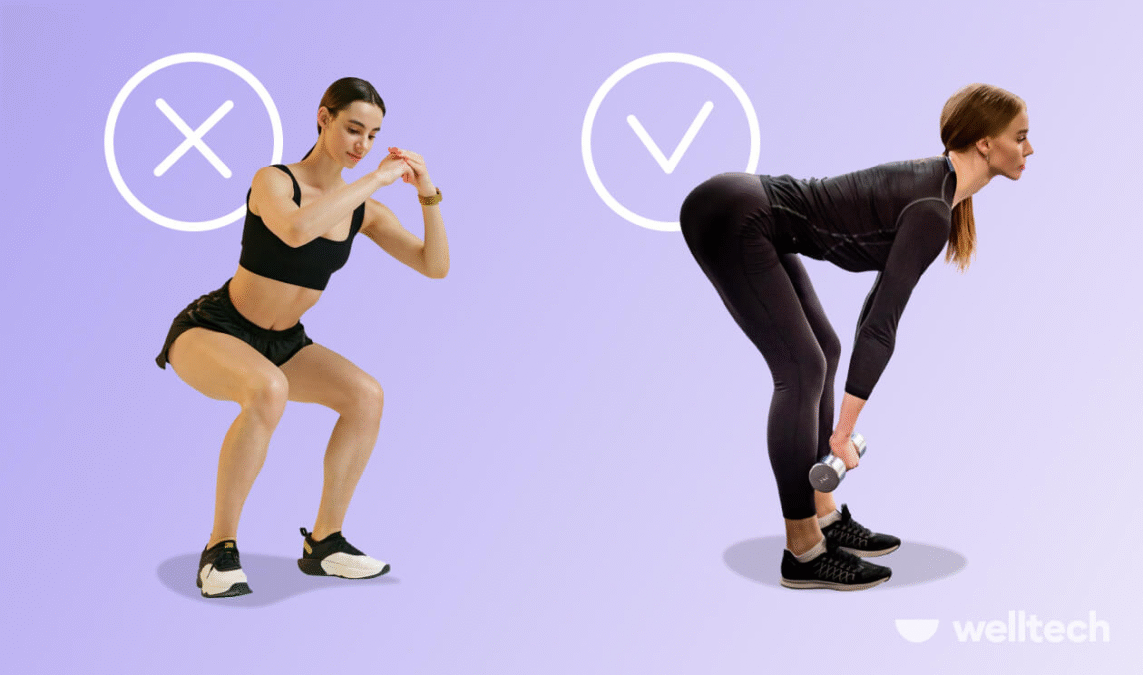
Deep squats, lunges taken to an extreme depth, and repeated stair climbing place high tensile and compressive forces on the gluteal tendons. When performed too early or with poor control, these movements can overload a tendon that is not yet ready to handle such demands.
Many people notice their hip pain worsens after climbing stairs, walking uphill, or performing gym exercises that involve deep hip flexion. This does not mean these movements are permanently forbidden, but they are gluteal tendinopathy exercises to avoid during the painful or early recovery phase.
Reducing depth, slowing the movement, or temporarily limiting volume can significantly decrease symptoms and allow gradual strengthening to occur safely.
Clamshells and Large Side-Lying Leg Lifts (Early Stages)
Clamshell exercises and large-range side-lying leg lifts are often prescribed for hip strengthening, but they can be problematic in gluteal tendinopathy, particularly in the early stages. These exercises place the hip in an adducted and rotated position, increasing compression at the tendon attachment.
For sensitive tendons, this combination of compression and movement can provoke pain both during and after exercise. Many people assume pain means weakness, but in this case, it often reflects excessive tendon irritation rather than insufficient effort.
These movements may be reintroduced later under guidance, but they are commonly listed among gluteal tendinopathy exercises to avoid when symptoms are active.
Aggressive Stretching of the Glutes and IT Band
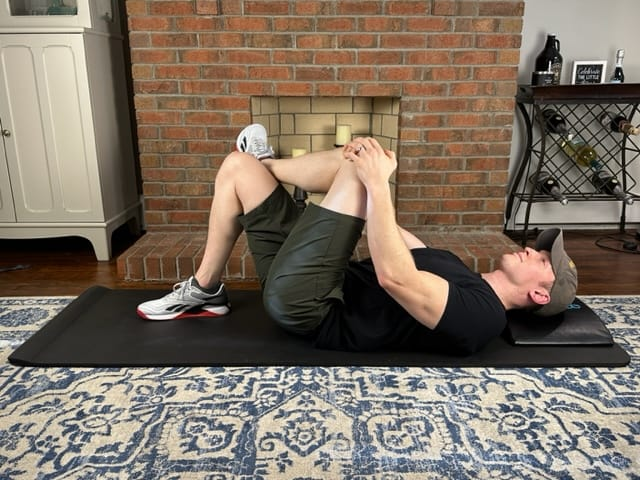
Stretching is frequently recommended for tight hips, yet aggressive gluteal, piriformis, or IT band stretches often worsen gluteal tendinopathy. Movements that pull the knee across the body or push the hip outward increase compression at the outer hip, similar to pressing on a bruise.
Although the hip may feel stiff, this sensation usually comes from tendon sensitivity rather than muscle tightness. Forcing the area into deep stretches does not improve tendon health and can delay recovery.
Until pain has settled and strength has improved, deep stretching falls firmly into the category of gluteal tendinopathy exercises to avoid.
Everyday Movements and Habits That Can Worsen Symptoms
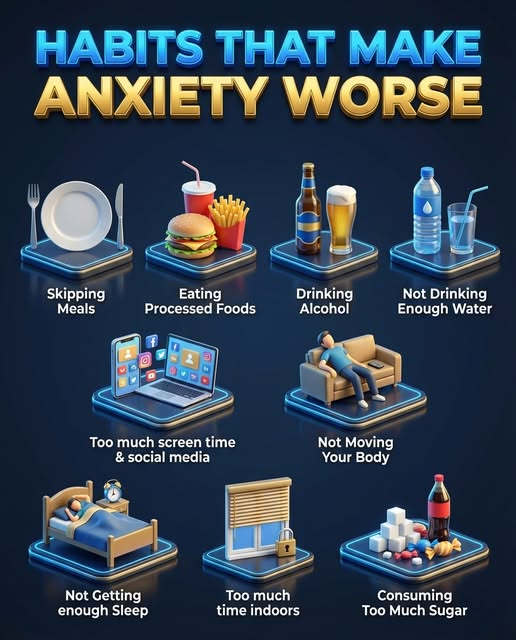
Exercise is only part of the picture. Many daily activities repeatedly load the tendon without people realising it. Prolonged sitting with legs crossed, leaning into one hip while standing, or sleeping on the painful side can all increase compressive stress on the tendon.
Standing on one leg to put on clothes, carrying heavy bags on one side, or consistently using stairs may also contribute to flare-ups. These habits accumulate load throughout the day, making it harder for the tendon to calm down even if exercises are well chosen.
Being mindful of posture and movement outside the gym is essential for successful recovery from gluteal tendinopathy.
What to Do Instead: Safer Exercise Alternatives
Replacing aggravating movements with safer alternatives allows you to stay active while protecting the tendon. The goal is controlled, progressive loading rather than complete rest.
Early on, exercises that keep the hip in a neutral position are best tolerated. Isometric hip abduction holds, wall-supported positions, and modified glute bridges activate the muscles without excessive movement or compression. These exercises help reduce pain and maintain strength without flaring symptoms.
As tolerance improves, controlled strengthening through a limited range can be added. The key is slow progression, good alignment, and avoiding sharp increases in load.
Load Management: The Key to Long-Term Recovery
One of the most important principles in gluteal tendinopathy rehabilitation is load management. Tendons respond poorly to sudden spikes in activity but adapt well to gradual, consistent loading.
A helpful guideline is to monitor symptoms during exercise, later that day, and the following morning. Mild discomfort that settles quickly is usually acceptable. Pain that worsens or lingers into the next day is a sign that the load was too high.
Adjusting volume, intensity, or exercise selection based on this response allows steady improvement without setbacks. This approach is far more effective than pushing through pain or stopping all activity.
Returning to Walking, Running, and Sport Safely
Walking is usually safe for most people with gluteal tendinopathy, provided it is done on flat ground and at a comfortable pace. Hills, uneven surfaces, and long distances may need to be reduced initially.
Running and high-impact sports should be reintroduced gradually once pain is controlled and strength has improved. Short, flat runs with adequate recovery days are preferable to intense sessions. Progression should be guided by symptoms rather than a fixed timeline.
Trying to rush back to full activity is a common reason for relapse, so patience and consistency are essential.
When to Seek Professional Guidance
While many people improve with education and exercise, persistent or worsening pain should be assessed by a qualified healthcare professional. A physiotherapist can confirm the diagnosis, identify contributing factors, and tailor a program to individual needs.
Professional guidance is especially important for athletes, people with recurrent symptoms, or those whose pain interferes with sleep and daily activities. Early intervention often shortens recovery time and prevents chronic problems.
Lifestyle Strategies That Support Tendon Healing
Supporting tendon recovery goes beyond exercise selection. Using supportive seating, avoiding low chairs, breaking up long periods of sitting, and maintaining a healthy body weight all reduce unnecessary load on the hip.
Adequate sleep, balanced nutrition, and hydration also play a role in tissue repair. These lifestyle factors may seem minor, but together they significantly influence recovery speed and long-term outcomes.
Conclusion
Understanding gluteal tendinopathy exercises to avoid is essential for reducing pain and restoring healthy movement. Exercises that increase hip adduction, compression, or excessive load often worsen symptoms, especially in the early stages of recovery.
By avoiding aggravating movements, choosing safer alternatives, and applying gradual load management, most people can improve significantly without invasive treatment. Recovery takes time, but with the right strategy, long-term hip health and pain-free movement are achievable.
Frequently Asked Questions
What exercises are safest for gluteal tendinopathy?
Isometric hip abduction, modified glute bridges, and controlled strengthening in neutral positions are generally well tolerated.
Can walking make gluteal tendinopathy worse?
Walking is usually safe, but hills, stairs, and long distances may aggravate symptoms early on.
How long does recovery take?
Most people notice improvement within weeks, but full recovery can take several months depending on severity and consistency.
Should I stretch my glutes if they feel tight?
Deep stretching often worsens symptoms. Strengthening and load control are usually more effective.
Can this condition return?
Yes, but maintaining hip strength, avoiding poor habits, and managing training loads reduces recurrence risk.
You may also read: Career Development and Training Opportunities