National Healthy Schools Programme – What It Is and Why It Matters
The National Healthy Schools Programme was one of the most influential education and public health initiatives ever introduced in the United Kingdom. Its purpose went far beyond improving academic results. Instead, it recognised that children and young people learn best when they are healthy, emotionally supported, and socially confident. By embedding health into everyday school life, the programme reshaped how wellbeing and education were connected across the UK.
Rather than focusing on isolated health lessons, the programme promoted a whole-school approach. This meant that policies, teaching, school environments, and community partnerships all played a role in supporting pupils’ physical and emotional development. The legacy of this approach is still visible today, as many local Healthy Schools initiatives continue to use the same principles to guide wellbeing in education.
For parents, teachers, and local authorities, the National Healthy Schools Programme created a shared framework that encouraged collaboration. Schools were no longer viewed solely as places for academic learning, but as environments where lifelong healthy habits could be developed. This broader vision helped establish wellbeing as a central pillar of educational success.
Origins and Background of the National Healthy Schools Programme
The National Healthy Schools Programme was introduced at the end of the 1990s as a UK government initiative designed to link health, behaviour, and educational achievement. It emerged at a time when concerns were growing about childhood obesity, mental health, and social inequalities affecting learning outcomes. Policymakers recognised that schools were uniquely placed to influence children’s health in a positive and lasting way.
From its inception, the programme was shaped by cooperation between health and education bodies. This joint approach ensured that schools received consistent guidance and practical support rather than isolated messages. The programme also aligned with wider government strategies focused on improving children’s wellbeing, reducing inequality, and supporting long-term social development.
Participation in the programme expanded rapidly. Thousands of schools across the UK engaged with the framework, adapting it to their local needs while working towards shared national standards. Over time, the programme became a recognised benchmark for good practice in school-based health promotion.
The Whole-School Approach Explained
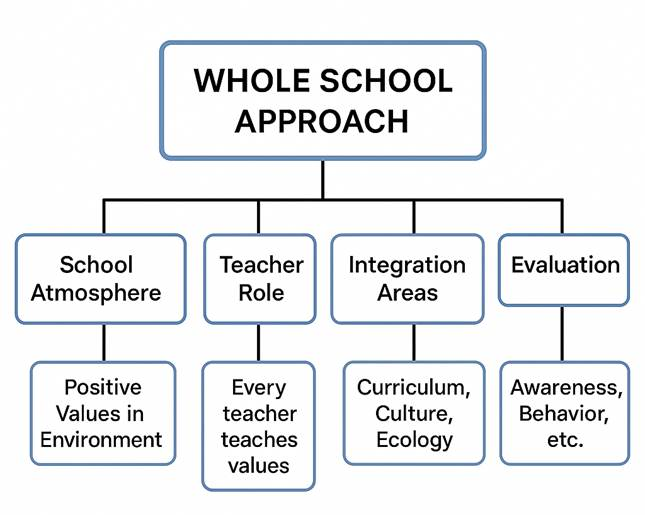
A defining feature of the National Healthy Schools Programme was its emphasis on the whole-school approach. This concept recognised that children’s health is influenced by everything that happens within a school, not just what is taught in lessons. Policies, leadership, school culture, and partnerships with families were all considered essential components of wellbeing.
Schools were encouraged to involve pupils, staff, parents, governors, and local services in shaping health initiatives. By giving children a voice and encouraging family engagement, the programme helped create environments where wellbeing was shared and valued. This collaborative approach also supported consistency between school life and home life, reinforcing healthy behaviours beyond the classroom.
The whole-school approach made health improvements more sustainable. Instead of relying on short-term projects, schools embedded wellbeing into everyday routines. This shift helped ensure that progress continued even as staff changed or new challenges emerged.
The Four Core Themes of the Programme
Personal, Social and Health Education
Personal, Social and Health Education formed the foundation of the National Healthy Schools Programme. This theme focused on helping pupils develop the knowledge, skills, and confidence needed to make informed decisions about their lives. Topics included relationships, emotional literacy, substance awareness, and personal safety.
High-quality PSHE was designed to build resilience and encourage positive attitudes towards health. Schools were supported in delivering age-appropriate content that reflected pupils’ real-life experiences. By addressing sensitive issues in a structured and supportive way, PSHE helped create safer and more inclusive learning environments.
Over time, this focus contributed to the development of mentally healthy schools where pupils felt listened to and supported. The emphasis on wellbeing within PSHE remains a cornerstone of modern education frameworks.
Healthy Eating
Healthy eating was another central theme of the programme, reflecting growing awareness of nutrition’s role in learning and development. Schools were encouraged to improve the quality of meals, promote balanced diets, and create positive food cultures within school settings.
Beyond the dining hall, healthy eating education was integrated into lessons and activities. Pupils learned about food choices, cooking skills, and the importance of hydration. Parents were also involved through guidance and communication, helping to reinforce healthy habits at home.
These efforts contributed to calmer classrooms and improved concentration. By treating nutrition as part of overall wellbeing rather than a separate issue, the programme helped schools take a more holistic approach to children’s health.
Physical Activity
The physical activity theme aimed to make movement a natural and enjoyable part of everyday school life. Schools introduced a wide range of opportunities, including structured physical education, extracurricular clubs, and informal play activities.
Encouraging active travel, such as walking or cycling to school, also supported broader health and environmental goals. By offering inclusive activities for pupils of all abilities, schools helped reduce barriers to participation and promote lifelong engagement with physical activity.
Regular movement was linked to improved focus, behaviour, and emotional wellbeing. This understanding continues to influence modern Healthy Schools initiatives, which place strong emphasis on daily physical activity.
Emotional Health and Wellbeing
Emotional health and wellbeing were integral to the programme’s success. Schools were encouraged to create supportive environments where pupils felt safe, respected, and valued. Anti-bullying strategies, pastoral support, and opportunities for peer connection played key roles.
By addressing emotional wellbeing proactively, schools were better equipped to identify and support vulnerable pupils. Training for staff and clear policies helped ensure that mental health was treated with the same importance as physical health.
This focus helped strengthen school communities and reduce stigma around mental health. Today, emotional wellbeing remains one of the most critical priorities within education, reflecting the lasting influence of the programme.
Achieving National Healthy School Status
Schools participating in the National Healthy Schools Programme worked towards achieving National Healthy School Status. This recognition demonstrated that a school had met agreed standards across all four core themes using the whole-school approach.
The process involved self-evaluation, action planning, and evidence gathering. Schools assessed their existing practices, identified areas for improvement, and implemented changes with support from local partners. Once confident that criteria were met, schools submitted documentation for validation.
Achieving status was not the end of the journey. Schools were expected to continue improving and adapting to new challenges. This emphasis on ongoing development helped ensure that wellbeing remained a long-term priority rather than a one-time achievement.
Achievements and Measured Impact
The impact of the National Healthy Schools Programme was widely recognised by schools and local authorities. Many schools reported improvements in attendance, behaviour, and pupil engagement. Teachers often observed that healthier routines supported better learning outcomes and classroom environments.
Parents also benefited from increased involvement in school life. Community events, workshops, and shared initiatives strengthened relationships between families and schools. These connections helped reinforce healthy behaviours beyond the school gates.
While measuring long-term outcomes can be complex, the programme succeeded in embedding health and wellbeing into education policy and practice. Its influence extended well beyond its official lifespan.
Healthy Schools After the National Programme Ended
Although the national programme eventually concluded, its principles did not disappear. Responsibility for Healthy Schools initiatives shifted to local authorities and organisations, leading to the development of regional programmes tailored to local needs.
Today, many areas operate their own Healthy Schools frameworks, awards, and self-assessment tools. These initiatives continue to promote the same core ideas: whole-school wellbeing, collaboration, and the link between health and learning.
Modern Healthy Schools programmes often incorporate digital tools, updated guidance, and new priorities such as online safety and mental health resilience. This evolution shows how the original framework remains relevant in a changing educational landscape.
Healthy Schools in Today’s Education System
In today’s schools, wellbeing is more important than ever. Challenges such as increased screen time, mental health pressures, and lifestyle changes require thoughtful responses. Healthy Schools initiatives provide structured support to help schools address these issues effectively.
Recognition schemes, awards, and planning tools motivate schools to maintain high standards. Displaying a Healthy Schools award or logo reassures parents and demonstrates a school’s commitment to pupil wellbeing.
Careers and roles focused on school wellbeing have also expanded, reflecting growing demand for expertise in this area. This professionalisation highlights how deeply the Healthy Schools concept has been embedded into education.
Challenges and Future Direction
Despite its successes, promoting health in schools is not without challenges. Budget constraints, curriculum pressures, and evolving health concerns require ongoing adaptation. Schools must balance academic requirements with wellbeing initiatives in a sustainable way.
Future Healthy Schools work is likely to focus on flexibility and local relevance. By maintaining core principles while adapting to new evidence and priorities, schools can continue to support children effectively.
The enduring relevance of the National Healthy Schools Programme lies in its recognition that health and education are inseparable. This insight remains as important today as it was at the programme’s launch.
Conclusion
The National Healthy Schools Programme transformed how schools approached health and wellbeing in the UK. By promoting a whole-school approach across PSHE, healthy eating, physical activity, and emotional wellbeing, it created lasting change in education culture.
Although the national framework has ended, its legacy lives on through regional Healthy Schools programmes, awards, and modern wellbeing initiatives. Schools continue to build on these foundations to support healthier, happier, and more successful pupils.
By prioritising wellbeing alongside academic achievement, the values of the National Healthy Schools Programme continue to shape the future of education.
Frequently Asked Questions
What was the National Healthy Schools Programme?
It was a UK initiative designed to improve children’s health, wellbeing, and learning by embedding healthy practices across the whole school environment.
Is the National Healthy Schools Programme still running?
The national programme has ended, but many local Healthy Schools initiatives continue to operate using the same principles.
What are the four core themes of Healthy Schools?
They are Personal, Social and Health Education, Healthy Eating, Physical Activity, and Emotional Health and Wellbeing.
What was National Healthy School Status?
It was recognition awarded to schools that met agreed wellbeing standards across all four themes using a whole-school approach.
How do Healthy Schools support mental wellbeing?
They focus on creating safe environments, promoting emotional literacy, tackling bullying, and providing pastoral support.
Why does the Healthy Schools approach still matter today?
Because research and experience show that healthy, supported children are more engaged learners and achieve better long-term outcomes.
You may also read: Fine Food Specialist Discount Code October 2025 – Verified Deals Up to 40% OFF