Padel Court Guide UK: Everything You Need to Know About Sizes, Costs, Surfaces & Where to Play
Padel is one of the fastest-growing sports in the UK, blending elements of tennis and squash into a fun, fast-paced, and social game. With its rising popularity, both beginners and experienced players are seeking out padel courts to enjoy this exciting sport. Whether you’re looking to play, invest in a court, or just understand the game better, knowing the details about padel court sizes, surfaces, costs, and UK-specific regulations is essential.
In this guide, we’ll cover everything from court dimensions to equipment, construction costs, maintenance tips, and where you can play across the UK.
What is a Padel Court?
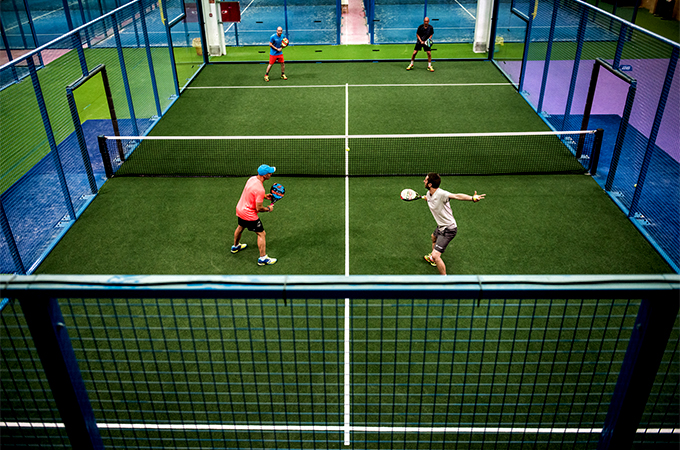
A padel court is a fully enclosed playing area designed specifically for padel tennis. It is slightly smaller than a doubles tennis court and is surrounded by walls made of either glass or mesh, allowing for dynamic play that incorporates rebounds. This unique feature makes the sport strategic and interactive, as players can use the walls to their advantage during rallies.
The court surface is typically synthetic turf, offering excellent traction, durability, and shock absorption. The game is played primarily in doubles, with solid, perforated padel rackets and balls designed for predictable bounces on synthetic surfaces. The enclosed design and smaller dimensions make padel easier to learn than tennis while still providing a challenging, competitive experience.
Unlike tennis or pickleball, padel encourages teamwork, tactical play, and social interaction. The courts are often installed at sports clubs, gyms, schools, and private facilities, contributing to the sport’s growing community appeal in the UK.
Padel Court Dimensions and Layout
A standard padel court in the UK measures 20 meters in length and 10 meters in width, with a net standing at 88 centimeters at the center. The back walls are typically glass, while the side walls are mesh, allowing for rebounds during gameplay. Service lines are placed three meters from the back wall to maintain fair play and encourage tactical serving.
When designing a padel court, selecting high-quality materials is critical. Synthetic turf remains the preferred surface due to its durability, low maintenance, and player-friendly grip. Proper lighting is also essential, particularly for indoor or evening play, ensuring safety and visibility. For outdoor courts, fencing and weather-resistant materials protect the court and enhance longevity.
Additionally, attention to spacing and accessibility is vital. UK standards, such as FIP (Federación Internacional de Pádel) and KNLTB guidelines, ensure courts meet international playing standards and provide the optimal experience for players of all levels.
Padel Court Costs and Construction in the UK
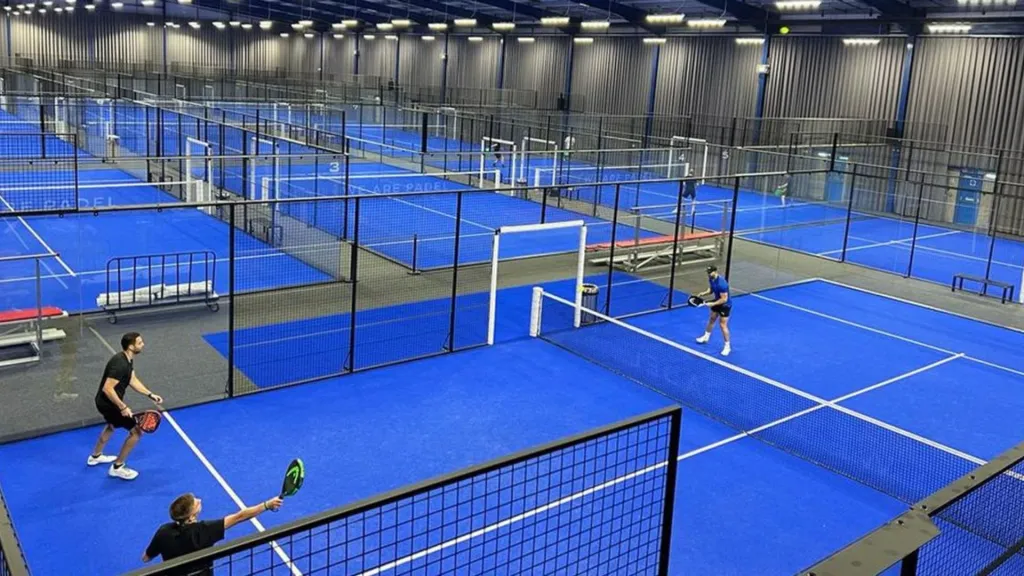
Constructing a padel court in the UK involves several factors, including location, materials, and design features. Costs vary widely depending on whether the court is indoor or outdoor, uses glass walls or mesh, and includes lighting, turf quality, and additional structures like canopies.
- Outdoor basic courts: £15,000 – £25,000
- Premium outdoor courts with glass walls and professional turf: £30,000 – £50,000
- Indoor courts with lighting and high-quality surfaces: £40,000 – £70,000
Professional installation is recommended for optimal performance and durability. Steps include ground preparation, foundation work, turf installation, wall assembly, and lighting setup. Regular maintenance, such as cleaning turf, inspecting nets, and checking wall integrity, ensures longevity and safety.
UK contractors and suppliers, such as DuelPadel and Padel Plan, provide comprehensive services, including planning, construction, and ongoing maintenance, allowing clubs, investors, and private users to access high-quality facilities without extensive technical knowledge.
Planning Permission and Regulations in the UK
Unlike some other sports facilities, building a padel court in the UK often requires planning permission, particularly if it involves a change of land use, environmental impact, or installation on green belt land. Specialists like Padel Plan help navigate these regulations, offering feasibility assessments, pre-application consultations, and community engagement strategies to improve the likelihood of approval.
Factors considered by local authorities include:
- Site constraints (flood risk, access, environmental protection)
- Visual and noise impact
- Land use regulations
- Community feedback
Understanding and adhering to these requirements is essential for municipalities, sports clubs, or private investors planning to build a padel court. By ensuring all regulations are met, projects can proceed smoothly and avoid costly delays.
Indoor vs Outdoor Padel Courts
UK players have options for both indoor and outdoor courts, each with distinct advantages:
- Indoor courts: Offer year-round play unaffected by weather, optimal lighting, and climate control. They are more expensive but suitable for clubs and private facilities looking for premium setups.
- Outdoor courts: More affordable and easier to install. They are popular in schools, parks, and private gardens. Weatherproof surfaces and durable fencing are essential for outdoor durability.
- Canopy courts: A hybrid option providing some protection from rain and sun, combining benefits of both indoor and outdoor setups.
Choosing the right court type depends on budget, location, intended usage, and local climate.
Padel Equipment and Safety
To enjoy padel fully, players need the right equipment:
- Padel rackets: Solid and perforated for precision control. Popular UK brands include Adidas, Bullpadel, and Rocket Padel.
- Balls: Slightly smaller and less pressurized than tennis balls, optimized for turf bounce.
- Shoes: Padel-specific footwear provides lateral support and grip, reducing injury risk.
Safety is key. Players should warm up, wear appropriate gear, and follow court etiquette. Regular equipment checks also prolong lifespan and ensure optimal performance.
Where to Play Padel in the UK
The sport is expanding rapidly across the UK, with courts in cities like London, Manchester, Birmingham, and Edinburgh. Facilities include:
- Sports clubs and gyms offering coaching and social play
- Private facilities with premium indoor or outdoor courts
- Schools and community programs promoting youth participation
Online platforms and apps make it easy to locate courts, book sessions, and connect with other players. The growing network of facilities reflects padel’s increasing popularity and community engagement.
Tips for Playing Padel
Whether you are a beginner or advanced player, consider these strategies:
- Beginners: Focus on positioning, teamwork, and consistent rallies.
- Advanced players: Experiment with tactical rebounds, volleys, and precise serves.
- General tips: Use walls strategically, communicate with partners, and adapt positioning based on opponent play.
Practicing regularly on well-maintained courts enhances skills and enjoyment while fostering a social and competitive environment.
Padel Court Maintenance Tips
Maintaining a padel court is essential for safety and longevity. Key practices include:
- Regular cleaning of turf and walls
- Inspecting nets and fences for wear and tear
- Checking lighting and electrical systems for indoor courts
- Seasonal maintenance for outdoor courts to protect against weather damage
A structured maintenance schedule prolongs court life, reduces injury risk, and ensures optimal playing conditions.
Conclusion
Padel is a dynamic and social sport that is quickly gaining traction across the UK. Understanding court dimensions, surfaces, costs, planning regulations, equipment, and maintenance is vital for players, investors, and sports facilities. By building high-quality courts and providing proper guidance, the UK can continue to expand its padel community and make this exciting sport accessible to more players.
With comprehensive planning, professional construction, and regular upkeep, your padel court can offer a fun, safe, and long-lasting playing experience, whether for personal enjoyment or community engagement.
FAQs
1. What is the standard size of a padel court in the UK?
A standard padel court measures 20 meters long and 10 meters wide, with glass back walls and mesh fencing on the sides.
2. How much does it cost to build a padel court in the UK?
Costs vary by court type, materials, and location: outdoor basic courts start around £15,000, while premium indoor courts with lighting and glass walls can reach £70,000.
3. Do I need planning permission for a padel court?
Yes, in most cases planning permission is required, especially for outdoor courts or installations affecting land use. Specialists like Padel Plan can help with applications.
4. What equipment do I need for playing padel?
Essential gear includes a padel racket, padel balls, and specialized shoes for traction and support. Optional items include protective eyewear and gloves.
5. Where can I find padel courts near me in the UK?
Many cities have facilities in sports clubs, gyms, and private centers. Online directories and apps allow easy searches for courts and bookings.
You may also read: Features to Consider When Buying a Table Tennis Table