Palestine March London: Thousands Demand Gaza Ceasefire and Justice
The Palestine March London has become one of the most powerful displays of solidarity in recent British history. Tens of thousands of demonstrators filled the streets of central London, calling for an end to the war in Gaza and demanding justice for the Palestinian people. Carrying the Palestine flag high above the crowds, protestors from all walks of life marched together, united by one powerful message — Free Palestine. The march highlighted growing public pressure for peace and the UK’s moral responsibility to stand against oppression.
Across social media platforms and global news outlets, images of the Palestine March London went viral. From students to trade unionists, activists to families, the city became a sea of red, black, white, and green — the colours of the Palestinian flag. This peaceful but passionate demonstration showed that the call for justice in Palestine continues to echo loudly through the heart of London and across the world.
A City United for Palestine
London has always been a stage for global change, and the Palestine March London reaffirmed that reputation. Organised by the Palestine Solidarity Campaign and supported by groups such as Palestine Action, the event drew huge crowds from every corner of the UK. Many carried banners reading “Stop Arming Israel” and “Ceasefire Now,” demanding that the British government end its complicity in the ongoing violence in Gaza.
The Palestine March London was not just about political demands; it was also a powerful expression of unity and empathy. Protestors chanted “From the river to the sea, Palestine will be free,” while thousands waved the Palestine flag in a show of cultural pride. The energy of the march reflected not only anger at the suffering in Gaza but also a deep commitment to peace and human rights.
Understanding the Israel–Palestine Conflict
To understand why the Palestine March London has such importance, one must first look at the roots of the Israel–Palestine conflict. This struggle dates back over a century, driven by disputes over land, sovereignty, and identity. The question of who owned the land first — Israel or Palestine — remains one of the most divisive issues in modern history. Generations of Palestinians have been displaced, and the humanitarian crisis continues to worsen with each new escalation.
Maps of Palestine have changed dramatically over time, reflecting the shrinking areas under Palestinian control. The ongoing blockade of Gaza has created severe living conditions for millions. This background fuels movements such as the Palestine March London, where ordinary citizens take to the streets to demand justice, self-determination, and a lasting ceasefire.
What Happened During the Palestine March London
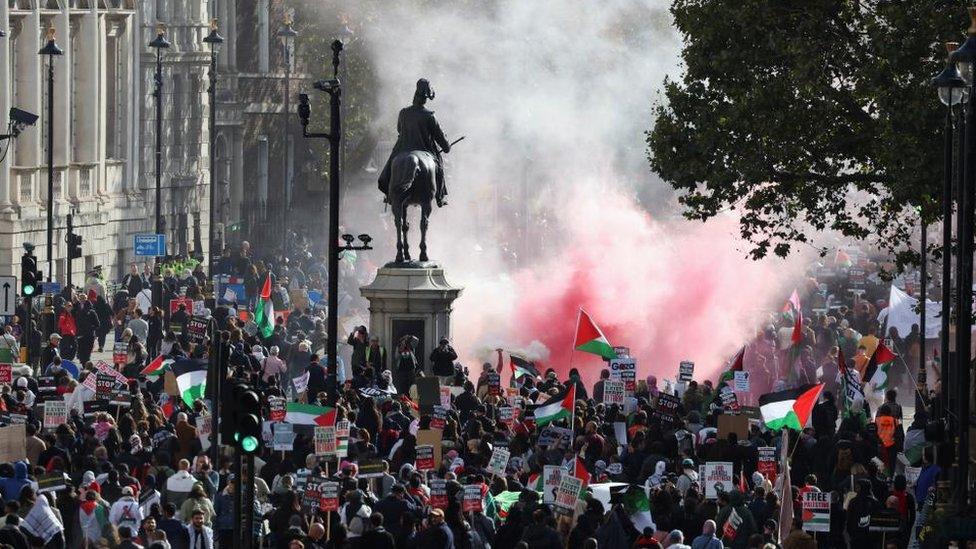
The Palestine March London began at Victoria Embankment, where crowds gathered before making their way to Whitehall. Organisers estimated that more than half a million people attended, making it one of the largest pro-Palestine protests London has ever seen. The event remained peaceful and well-coordinated, showcasing the power of organised, non-violent resistance.
Speakers at the event included community leaders, human rights advocates, and trade union representatives. They spoke passionately about the urgent need for an immediate ceasefire and humanitarian aid for Gaza. The Palestine March London also featured moments of silence to honour those who have lost their lives in the conflict, transforming the city’s streets into a space of mourning and hope.
Voices of Solidarity and Global Support
The Palestine March London brought together an extraordinary range of voices united by compassion. Students, teachers, nurses, faith leaders, and families all joined the movement, showing that support for Palestine transcends class, race, and religion. This collective voice sent a clear message to governments around the world — the call for peace cannot be ignored.
Social media played a huge role in amplifying the message of the Palestine March London. Hashtags like #FreePalestine and #TogetherForPalestine trended across platforms such as X (formerly Twitter), Instagram, and TikTok. Images of the Palestine flag draped over bridges and landmarks across London became symbols of defiance and solidarity, inspiring similar protests in cities around the globe.
Cultural Symbols and Representation
Culture and identity were central themes throughout the Palestine March London. Traditional keffiyehs, drums, and chants filled the air as protestors expressed both resistance and hope. The Palestine flag was everywhere — not just as a national emblem, but as a universal symbol of freedom and resilience. Every colour represented a story: black for the struggle, white for peace, green for the land, and red for the blood of those lost.
Sports and art also played an unexpected role in the event’s symbolism. Many protestors wore Palestine football shirts, using sport as a peaceful form of protest. Just as in the debates of Israel vs Palestine football matches, the message remained consistent — the struggle for Palestine is about dignity, recognition, and the right to live freely.
Political Impact and What Comes Next
The political impact of the Palestine March London was immediate. Members of Parliament faced renewed calls to debate the UK’s role in the Israel–Palestine conflict. Protestors demanded the government suspend arms sales to Israel and recognise the State of Palestine. This pressure reflected a shift in public opinion, with more Britons demanding ethical foreign policy decisions.
Organisers have already announced future demonstrations and campaigns. Groups like the Palestine Solidarity Campaign and Palestine Action plan to maintain pressure on UK institutions to divest from companies linked to the occupation. The momentum from the Palestine March London continues to grow, inspiring more citizens to speak out for justice and human rights.
Hope, Resistance, and the Path Forward
The Palestine March London was more than a protest — it was a declaration of shared humanity. The chants, songs, and powerful speeches reflected an unwavering belief that justice will prevail. It reminded the world that ordinary people can unite to make extraordinary change. As the march ended, the message was clear: the movement for Palestine will not stop until peace and equality are achieved.
The power of the Palestine March London lies in its message of unity. It was a march for peace, for dignity, and for a future where Palestinians can live free from occupation and violence. It was a march that called on Britain, and the world, to stand on the right side of history — together for Palestine.
Frequently Asked Questions
When was the latest Palestine March London held?
The most recent Palestine March London took place in October 2025, attracting over 500,000 participants demanding a ceasefire in Gaza.
Who organised the Palestine March London?
It was organised by the Palestine Solidarity Campaign in collaboration with Palestine Action and other human rights groups.
Why do people join the Palestine March London?
Protestors march to show solidarity, demand justice, and call for an end to the violence against Palestinians.
What does the Palestine flag represent?
The Palestine flag represents unity, resistance, and hope for freedom, with its colours symbolising struggle, peace, land, and sacrifice.
How can I support the Palestine movement?
You can attend future Palestine protests in London, donate to humanitarian causes, share verified Palestine news, and support the call to Free Palestine.
You may also read: Bloodstone: The Traditional Gem of Strength and Courage