
Technician Commitment: Strengthening Recognition, Careers, and Sustainability for UK Technicians
The Technician Commitment is a UK-based framework created to improve how technicians are recognised, supported, and developed within higher education and research institutions. Technicians are essential to the success of universities and research centres, yet their work has historically received less visibility than academic roles. This initiative exists to correct that imbalance by embedding long-term structural change rather than relying on informal appreciation.
Across laboratories, workshops, digital environments, and specialist facilities, technicians apply advanced practical knowledge that enables teaching, experimentation, and innovation to function safely and efficiently. The Technician Commitment acknowledges that these contributions are not secondary but foundational. Without skilled technicians, research quality, student learning, and institutional resilience are significantly weakened.
This article explains the Technician Commitment in clear, practical terms—what it is, why it matters, how it works, and how it supports a sustainable technical workforce. It is written for readers seeking a reliable, neutral explanation rather than promotional or institutional material.
What Is the Technician Commitment?
The Technician Commitment is a formal sector-wide agreement adopted by universities and research institutions to improve conditions, opportunities, and recognition for technicians. It provides a structured approach for organisations to assess how technicians are identified, supported, and progressed within their workforce systems.
Rather than focusing on individual roles or job titles, the commitment addresses organisational culture and policy. Institutions that adopt it commit to reviewing how technical staff are treated across recruitment, career development, performance recognition, and long-term planning. The aim is to create consistent and fair systems that value technical expertise at every stage of a technician’s career.
Importantly, the Technician Commitment is not a short-term project. It is designed as an ongoing framework that evolves alongside changes in education, research practices, and workforce demands. This long-term focus is central to its relevance and effectiveness.
Why the Technician Commitment Was Needed
For many years, technical staff have operated within systems primarily designed around academic career structures. While technicians often hold advanced qualifications and specialised skills, progression routes and recognition mechanisms have not always reflected the complexity or importance of their work. This disconnect has contributed to challenges in recruitment, retention, and morale.
At the same time, research and teaching environments have become more technologically advanced. Equipment is more complex, compliance requirements are higher, and interdisciplinary work is increasingly common. These changes place greater responsibility on technicians while also increasing the consequences of skills shortages.
The Technician Commitment was developed to respond to these realities. Its purpose is to ensure that technical roles are treated as professional careers with clear value, not as support functions operating on the margins of institutional planning.
The Core Principles Behind the Technician Commitment

The Technician Commitment is built around four interlinked principles that guide how institutions support their technical workforce. These principles provide clarity without imposing rigid rules, allowing organisations to adapt the framework to their own context.
Visibility focuses on ensuring that technicians are clearly identifiable within organisations and that their contributions are acknowledged publicly and internally. When technical work is visible, it becomes easier to understand its value and impact.
Recognition addresses how institutions acknowledge technical expertise. This includes fair evaluation of contributions, access to professional recognition routes, and opportunities to be recognised for excellence and innovation.
Career Development centres on progression and growth. Technicians need access to structured pathways, training opportunities, and support that reflect the evolving nature of their roles.
Sustainability looks to the future. It focuses on workforce planning, skills transfer, and long-term resilience so that institutions are prepared for retirements, emerging technologies, and changing demands.
Who the Technician Commitment Is For
The Technician Commitment applies to technicians working across higher education and research, regardless of discipline or seniority. This includes technicians in science, engineering, health-related research, digital services, creative disciplines, and specialist technical environments.
It is also relevant to institutional leaders, managers, and policy teams responsible for workforce planning and staff development. Implementing the commitment requires organisational engagement, not just individual participation. Change is achieved through systems, not isolated actions.
By addressing technicians collectively rather than as isolated roles, the Technician Commitment helps ensure fairness and consistency while recognising the diversity of technical careers.
What It Means for Institutions to Adopt the Commitment
Institutions that adopt the Technician Commitment agree to review their internal practices and identify areas where technicians may be underserved or overlooked. This often involves assessing job frameworks, promotion criteria, training access, and communication practices.
Rather than prescribing a single method, the commitment encourages organisations to create action plans aligned with their own structure and priorities. These plans typically focus on practical steps that can be monitored and refined over time.
Crucially, technicians themselves are encouraged to be part of the process. Involving technical staff in decision-making ensures that changes reflect real experiences rather than assumptions.
How the Technician Commitment Supports Career Progression
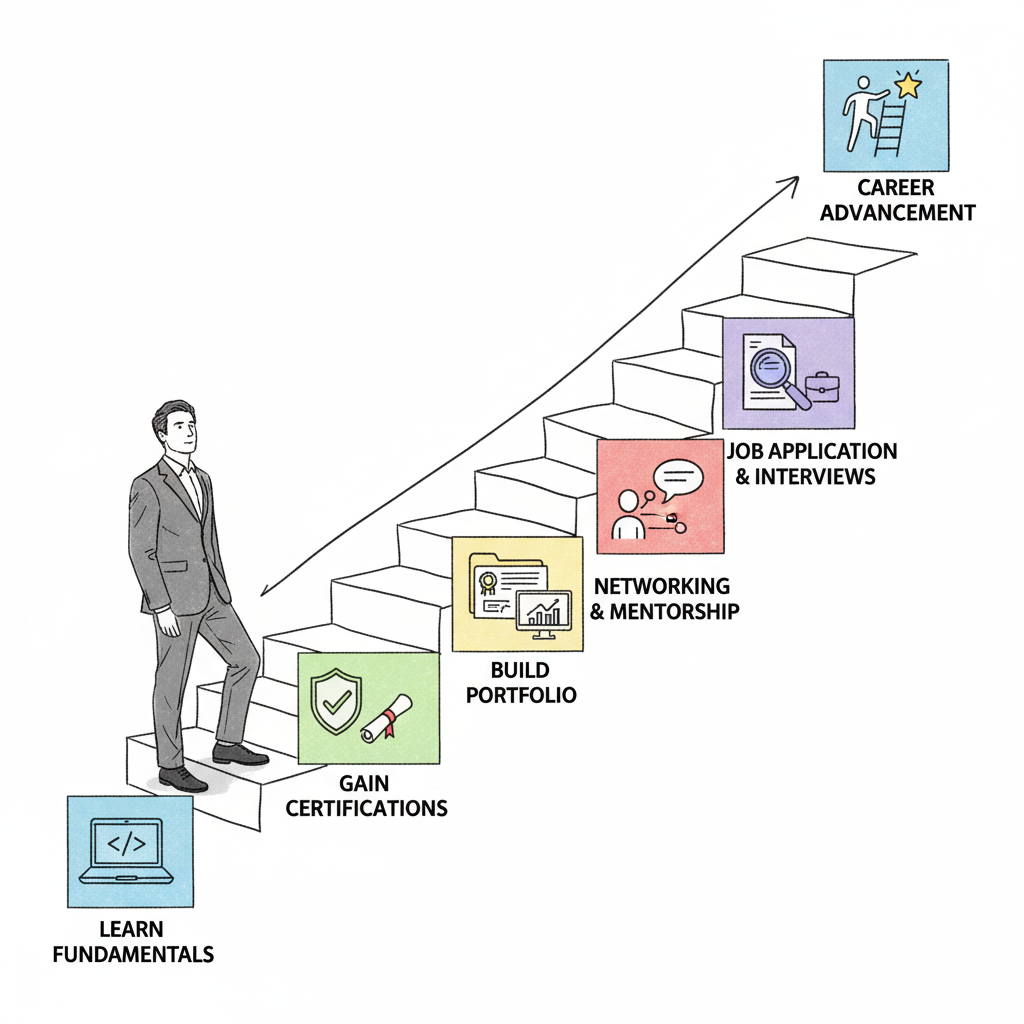
One of the most significant benefits of the Technician Commitment is its focus on career clarity. Technicians often develop deep expertise over time, yet pathways for advancement have not always been clearly defined. The commitment encourages institutions to document progression routes and make them transparent.
This clarity helps technicians plan their careers with confidence. Whether progression involves moving into senior technical roles, leadership positions, or specialist expertise tracks, clear pathways reduce uncertainty and improve retention.
Career development under the Technician Commitment also includes access to learning, mentoring, and skills development that align with future needs rather than past job models.
The Role of Sustainability in the Technician Commitment
Sustainability is a critical aspect of the Technician Commitment because technical skills take time to develop. When experienced technicians leave without effective knowledge transfer, institutions lose valuable expertise that cannot be replaced quickly.
The commitment encourages proactive planning, including mentoring, documentation of specialist knowledge, and investment in early-career technical roles. This approach reduces the risk of skills gaps and ensures continuity in essential functions.
Sustainability also involves ensuring that technical skills are used effectively. When technicians are fully integrated into projects and planning, their expertise contributes more directly to institutional success.
Why the Technician Commitment Matters for the UK
The UK’s position in research, innovation, and advanced education depends heavily on technical capability. Technicians play a direct role in maintaining research standards, enabling student learning, and supporting complex infrastructure.
By improving how technical careers are structured and valued, the Technician Commitment supports national goals around skills development and workforce resilience. It helps ensure that technical roles remain attractive, respected, and sustainable over the long term.
This matters not only for institutions but for the broader economy and society, where technical expertise underpins progress across multiple sectors.
Common Misunderstandings About the Technician Commitment
One common misunderstanding is that the Technician Commitment applies to all technician roles across the economy. In reality, it is specifically focused on higher education and research environments, where technical expertise supports teaching and knowledge creation.
Another misconception is that the commitment is symbolic rather than practical. While it does not impose regulation, its strength lies in encouraging structured, measurable action within institutions.
Understanding these distinctions helps ensure the initiative is evaluated accurately and implemented effectively.
Conclusion
The Technician Commitment provides a clear and practical framework for improving how technicians are recognised, developed, and sustained within UK higher education and research. It addresses long-standing structural challenges while allowing institutions the flexibility to implement change in ways that suit their context.
By focusing on visibility, recognition, career development, and sustainability, the initiative supports both individual technicians and institutional resilience. It reinforces the reality that technical expertise is not peripheral but central to educational and research excellence.
As technical roles continue to evolve, the Technician Commitment remains a vital mechanism for ensuring that technicians are valued, supported, and equipped for the future.
Frequently Asked Questions
What is the Technician Commitment?
It is a UK framework designed to improve recognition, career development, and sustainability for technicians in higher education and research.
Who does the Technician Commitment apply to?
It applies to technicians working across all disciplines within universities and research institutions.
Is the Technician Commitment mandatory?
No. Institutions choose to adopt it voluntarily by committing to its principles.
What are the main goals of the Technician Commitment?
To improve visibility, recognition, career progression, and long-term workforce sustainability for technicians.
Why is the Technician Commitment important?
Because technical expertise is essential to research quality, teaching effectiveness, and institutional resilience.
You may also read: What Painkillers Can I Take with Pregabalin Safely? A Complete UK Guide