UK Commercial Property for Sale – Your Complete Guide to Buying, Renting, and Investing
The market for UK commercial property for sale is dynamic, offering opportunities for investors, business owners, and entrepreneurs alike. From high-street shops to office buildings and industrial warehouses, commercial properties serve both as functional business spaces and investment vehicles capable of generating steady returns. Understanding market nuances, legal obligations, and current trends is essential for making informed decisions in today’s competitive property market.
Whether you are a first-time buyer or a seasoned investor, the right knowledge and guidance from property professionals, solicitors, and financial advisors can help you identify high-potential opportunities, minimize risks, and maximize long-term profits.
Types of UK Commercial Property for Sale
The UK Commercial Property for Sale market is diverse, catering to various business needs and investment strategies. Understanding the different types is critical for buyers to make informed decisions.
Office Spaces
Office properties are located across central business districts, suburban hubs, and co-working or serviced offices. Prime locations in London, Manchester, Birmingham, and Edinburgh offer flexible workspaces and high rental potential. Investors often target these properties for long-term rental income, capital appreciation, and stable occupancy.
Retail Spaces
Retail commercial properties include shops, restaurants, cafés, and shopping centers. High footfall areas such as London’s West End or Liverpool’s city center are particularly sought after. Investors can benefit from strong rental yields, often ranging from 5–7% annually, depending on location and tenant quality.
Industrial and Warehouse Properties
Industrial properties, including logistics hubs and storage warehouses, have grown in demand with the rise of e-commerce. Cities like Birmingham, Manchester, and Liverpool offer strategic access to transportation networks. Yields in industrial sectors can range from 6–8%, making these properties attractive for portfolio diversification.
Mixed-Use Properties
Mixed-use developments combine commercial and residential spaces, offering versatile options for both operations and investment. Investors benefit from multiple revenue streams, while businesses enjoy premium locations and modern amenities.
Why Invest in UK Commercial Property in 2026
Investing in UK Commercial Property for Sale remains a strong strategy due to its tangible asset value, potential for rental income, and long-term capital growth. Several factors make 2026 an ideal time to explore opportunities:
- Economic recovery and growth: Post-pandemic economic trends show increased demand for office and industrial spaces.
- High rental yields: Certain cities, such as Liverpool and Manchester, continue to outperform residential markets, with buy-to-let yields ranging from 6–8%.
- Diversification: Commercial properties provide a hedge against stock market volatility and inflation.
By analyzing current trends, investors can target high-potential properties with both stable income and capital appreciation prospects.
Buying UK Commercial Property for Sale
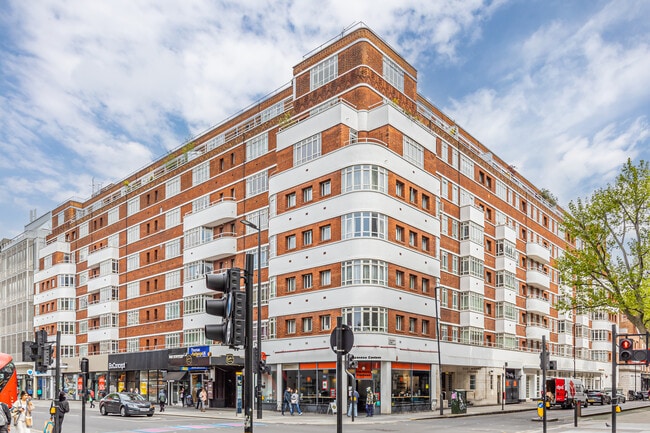
Purchasing commercial property requires careful planning, research, and legal due diligence. Here’s a step-by-step guide:
- Identify the Market and Location
Popular investment cities include London, Manchester, Birmingham, Glasgow, and Liverpool. For example:- Manchester: Industrial units and office spaces offer yields of 6–7% with moderate upfront deposits.
- Liverpool: Waterfront and mixed-use developments provide strong long-term growth potential, often with initial deposits as low as £5,000 on off-plan properties.
- Consider Property Type
Choose the property type that aligns with your investment strategy—retail, office, industrial, or mixed-use. - Secure Financing and Legal Support
- Work with commercial mortgage brokers to arrange financing.
- Hire a commercial property solicitor to review contracts, ensure clear title, and navigate local regulations.
- Conduct Due Diligence
Property inspections, zoning checks, and financial projections help identify potential risks and ensure profitable investments.
Tip: Investors should also factor in stamp duty, management costs, and maintenance expenses to accurately calculate potential returns.
Renting UK Commercial Property for Flexibility
For businesses seeking flexibility, renting commercial property is often a practical solution. Renting allows access to prime locations without significant upfront investment, enabling companies to scale operations efficiently.
Key Considerations for Renting:
- Lease agreements: Terms, renewal options, and break clauses
- Insurance: Coverage for fire, theft, liability, and business interruption
- Maintenance responsibilities: Determine what the landlord or tenant covers
Renting is particularly beneficial for start-ups, seasonal businesses, or companies testing new markets. Search terms like “commercial property for rent near me” often reflect this growing demand.
City-by-City Investment Opportunities
Breaking down the UK market by region can help investors target the best returns:
| City | Popular Property Types | Typical Yields | Deposit Range | Key Insights |
|---|---|---|---|---|
| London | Offices, retail, mixed-use | 4–6% | £50,000+ | Prime locations yield stability; high competition |
| Manchester | Industrial, office, retail | 6–7% | £5,000–£50,000 | Growing tech and logistics sectors |
| Liverpool | Mixed-use, industrial | 7–8% | £5,000+ | Waterfront developments; strong rental demand |
| Birmingham | Office, industrial | 5–6% | £20,000+ | Central transport hubs; steady capital growth |
| Glasgow | Retail, office | 5–6% | £10,000+ | Affordable investment; potential for yield growth |
This city-specific approach gives investors practical guidance and allows Google to identify your article as a comprehensive market resource.
Legal and Financial Considerations
Investing in commercial property requires careful attention to legal and financial matters:
- Legal: Commercial property solicitors ensure contracts are sound, clear title is confirmed, and zoning regulations are met.
- Financial: Stamp duty, taxes, financing options, and projected yields must be factored into decision-making.
Additionally, investors should consider risk management strategies, including tenant insurance, maintenance reserves, and portfolio diversification.
Expert Tip: Working with trusted property agents can reduce risks and streamline the process, from finding suitable properties to securing tenants.
Finding UK Commercial Property for Sale
Locating the right property involves a combination of online research, agent consultation, and local market knowledge. Major UK property portals like Rightmove, Zoopla, and OnTheMarket provide comprehensive listings.
Pro Tips:
- Create a shortlist of cities and property types.
- Compare yields, rental demand, and market trends.
- Attend property viewings and consult with local experts.
- Evaluate off-plan properties for early investment opportunities with low initial deposits.
Maximizing Returns on Commercial Property Investment
To make the most of your investment:
- Maintain properties to attract high-quality tenants.
- Diversify your portfolio across property types and regions.
- Stay updated on market trends, such as shifts in retail demand or office space utilization.
- Consider professional property management services to optimize rental income and reduce operational burdens.
Conclusion
The UK commercial property market offers diverse opportunities for investors, business owners, and entrepreneurs. From office spaces and retail outlets to industrial hubs and mixed-use developments, this sector can provide stable rental income, long-term capital growth, and strategic business advantages.
Success in this market requires careful research, city-specific knowledge, professional guidance, and strategic financial planning. By combining practical investment insights, updated market trends, and actionable steps, your commercial property ventures can thrive in 2026 and beyond.
FAQs
1. What types of commercial property are most profitable in the UK?
Office spaces in prime locations, industrial warehouses, and mixed-use developments often offer the highest yields, ranging from 5–8% depending on location.
2. How much deposit is needed to invest in UK commercial property?
Deposits vary by property type and city, typically from £5,000 for off-plan developments up to £50,000+ for prime London offices.
3. Should I buy or rent commercial property in the UK?
Buying offers long-term capital growth and rental income, while renting provides flexibility for startups or businesses testing new markets.
4. Which UK cities offer the best commercial property investment opportunities?
Liverpool, Manchester, London, Birmingham, and Glasgow provide strong yields, growth potential, and diverse property options.
5. What legal considerations should I be aware of?
Always work with a commercial property solicitor to review contracts, ensure clear title, and comply with zoning and tax regulations.
You may also read: Off-Plan Properties UK – The Complete 2025 Guide to Buying, Investing & Top Developments