Who Is the Most Powerful Doctor in the World? Understanding Influence, Leadership, and Global Impact
When people ask “who is the most powerful doctor in the world,” they often imagine a brilliant surgeon, a Nobel Prize-winning researcher, or a physician treating world leaders. However, in today’s global healthcare landscape, power extends far beyond individual skill. True influence comes from the ability to shape policies, guide research, direct resources, and make decisions that affect millions of lives worldwide.
Medical authority now exists at the intersection of science, leadership, and global reach. From leading international health organizations to advising governments and funding breakthrough research, the most powerful doctors are those who influence systems rather than individual patients. Understanding who is the most powerful doctor in the world helps us recognize the figures shaping global healthcare today.
What Does “Power” Mean in Medicine?
Power in medicine is multi-layered and extends far beyond clinical expertise. It can be categorized in three primary ways:
1. Clinical and Technical Authority
Some doctors wield immense influence in direct patient care. World-renowned surgeons, specialists, and clinicians make life-or-death decisions for individual patients every day. While their work saves lives, its scope is usually confined to hospitals or research labs rather than entire populations. Asking who is the most powerful doctor in the world highlights that technical skill alone rarely defines global influence.
2. Institutional and Policy Influence
Doctors in leadership roles at hospitals, national health agencies, or global institutions hold authority that extends across communities, regions, or even entire continents. Their decisions dictate funding priorities, treatment guidelines, and emergency responses, shaping health outcomes on a massive scale. For example, leaders at the World Health Organization (WHO) can influence health policies affecting billions of people.
3. Public and Informational Power
Doctors who communicate effectively through media, research publications, or social platforms influence public perception, behavior, and policy debates. In a world where information spreads instantly, the ability to educate, persuade, and guide societies is a key form of medical authority. These factors are critical when evaluating who is the most powerful doctor in the world.
In short, the most powerful doctors combine scientific expertise, institutional leadership, and public trust, enabling them to impact global health decisions significantly.
How to Identify the Most Powerful Doctor in the World
Determining who is the most powerful doctor in the world requires clear criteria:
- Leadership in Global Health Organizations
Doctors leading institutions like the WHO or UNICEF can implement policies and initiatives that impact millions, sometimes billions, of people. Their decisions determine vaccine distribution, outbreak responses, and health system priorities. - Policy Influence
Advising governments or shaping legislation provides doctors with direct control over healthcare systems. Their choices can affect access to care, research funding, and national or regional health strategies. - Research and Innovation Leadership
Directing major research institutions or funding programs allows doctors to influence which diseases are prioritized, which treatments are developed, and how quickly innovations reach patients. - Public Recognition and Trust
Doctors whose voices carry weight with both policymakers and the general public hold unique influence. Their guidance can affect health behaviors, policy debates, and international collaborations. Understanding these aspects is key to identifying who is the most powerful doctor in the world today.
Notable Figures in Global Medical Influence

While there is no single definitive answer, several doctors stand out for their global impact and authority:
Dr. Tedros Adhanom Ghebreyesus – WHO Director-General
Dr. Tedros has led the World Health Organization through major crises, including COVID-19 and Ebola outbreaks. His position allows him to coordinate international vaccination campaigns, implement health strategies, and influence global health funding priorities. With authority spanning 194 member countries, his decisions shape policies affecting billions of people worldwide. Many consider him when asking who is the most powerful doctor in the world.
Dr. Anthony Fauci – Immunologist and Public Health Leader
Though retired from government service, Dr. Fauci remains a key influencer in infectious disease research and public health policy. His decades of experience at the U.S. National Institute of Allergy and Infectious Diseases guided global responses to HIV/AIDS, Ebola, and COVID-19. His legacy continues through mentorship, research leadership, and public health advocacy.
Dr. Chris Elias – Global Development Leader
As president of the Global Development Division at the Bill & Melinda Gates Foundation, Dr. Elias oversees programs in vaccine delivery, maternal and child health, and disease prevention. The foundation’s investments often outpace national budgets, giving him substantial influence over global health priorities.
Dr. Jeremy Farrar – Chief Scientist and Research Strategist
Dr. Farrar transitioned from leading the Wellcome Trust to serving as WHO’s Chief Scientist. His leadership in directing research funding shapes global priorities in disease prevention, pandemic response, and medical innovation, making his influence both quiet and transformative.
Honorable Mention: Bill Gates – Philanthropic Influence
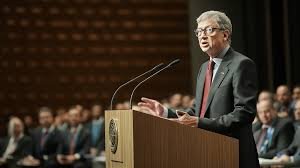
While not a medical doctor, Bill Gates wields extraordinary influence through the Gates Foundation. By funding large-scale vaccination campaigns, disease eradication programs, and public health initiatives, Gates shapes global health priorities. This is why some sources include him in discussions of who is the most powerful doctor in the world, even though he does not practice medicine.
Can One Doctor Truly Be the Most Powerful?
Global healthcare is complex and highly networked. Authority is rarely centralized; instead, power is shared among governments, institutions, and private foundations. While certain doctors act as focal points, decisions often result from collaboration across multiple sectors.
However, individuals can still serve as leaders within these networks, guiding decisions and shaping global outcomes. The combination of vision, influence, and credibility allows these figures to wield authority on a scale unmatched by ordinary practitioners.
Ethical Responsibilities of Powerful Doctors
With great influence comes profound responsibility. Doctors who shape global health must:
- Prioritize patient welfare and public good over personal or organizational gain.
- Ensure transparency in decision-making and funding allocation.
- Maintain scientific integrity to guide policy with evidence rather than opinion.
- Consider equity and access, ensuring vulnerable populations are not left behind.
Failing in these areas can have catastrophic consequences, affecting millions and eroding trust. Recognizing who is the most powerful doctor in the world also involves understanding their ethical obligations.
The Future of Medical Power
Medical influence is evolving rapidly. Technologies like artificial intelligence, real-time surveillance systems, and digital health platforms are changing who holds power and how it is exercised. Doctors who can integrate technology, policy, and scientific research are likely to become the next generation of influential figures.
Global challenges such as climate-related epidemics, emerging pathogens, and antibiotic resistance will require collaborative leadership and innovative strategies, redefining what it means to be a powerful doctor in the modern era.
Conclusion
The most powerful doctor in the world is not determined by fame, surgical skill, or even a medical degree alone. True influence comes from leadership, decision-making authority, and the ability to impact systems affecting millions globally.
Whether through global organizations, government roles, research leadership, or public advocacy, these individuals operate at the intersection of science, policy, and society. Understanding who is the most powerful doctor in the world helps us see how healthcare decisions shape millions of lives and why ethical, informed leadership is essential for the future of medicine.
Frequently Asked Questions
Who is the most powerful doctor in the world today?
Leaders like Dr. Tedros Ghebreyesus, Dr. Anthony Fauci, Dr. Chris Elias, and Dr. Jeremy Farrar are widely recognized for their influence on global health.
Can a doctor be powerful without treating patients?
Yes. Leadership in research, policy, or global health organizations can confer significant influence without daily clinical practice.
Why is Bill Gates sometimes called the most powerful doctor?
Although not a medical doctor, Gates shapes global health priorities through the Gates Foundation, funding initiatives that affect millions worldwide.
How does technology change medical power?
AI, digital platforms, and global health networks enable leaders to coordinate responses, allocate resources efficiently, and influence outcomes on a massive scale.
Can one doctor truly control global health decisions?
No single doctor controls the entire system. Power is networked, but certain individuals guide policies, funding, and research that shape global health outcomes.
Also Read: Sportsfeed24