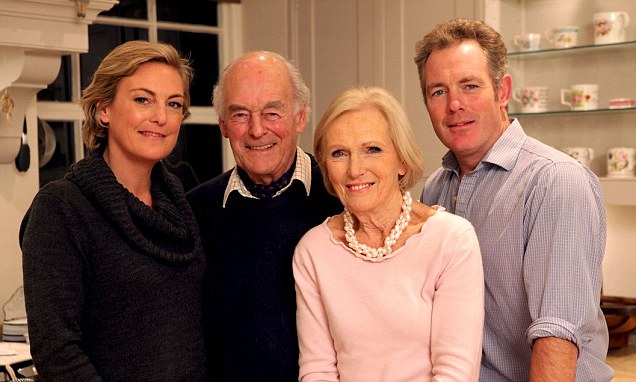
William John March: The Tragic Life and Enduring Legacy of Mary Berry’s Son
William John March remains a deeply poignant figure in British public memory, not because of personal fame, but because of the powerful story connected to his life, loss, and enduring impact on his family. As the son of Mary Berry, one of the UK’s most respected and beloved cultural figures, William’s story continues to resonate with people decades after his passing. His life reflects themes of family, promise, tragedy, and resilience that remain universally relevant.
In recent years, interest in William John March has grown again, largely due to Mary Berry’s open reflections in interviews and documentaries. These moments have brought renewed public attention to a young life cut tragically short and to the way such a loss shaped a family that millions admire. This article provides a clear, factual, and respectful account of William John March’s life while explaining why his story continues to matter today.
Early Life and Family Background
William John March was born in 1969 in London, England, into a close-knit and supportive family environment. He was the son of Mary Berry and Paul John March Hunnings, and the elder brother to Thomas Alleyne March and Annabel Mary March. Despite his mother’s growing public profile, William’s upbringing was largely private, centred on strong family values, education, and mutual support.
From an early age, William was known within his family as thoughtful, reliable, and considerate. Relatives and family friends have often described him as calm and responsible, someone who naturally looked out for others. These characteristics set him apart and contributed to the sense of promise that surrounded his future. His childhood reflected a balance between normal family life and the unique experience of having a mother whose career was steadily rising in the public eye.
Education played an important role in William John March’s early life. He attended school in the UK before continuing his studies at Bristol Polytechnic, where he pursued higher education away from home. This transition marked an important step toward independence and adulthood, and those close to him viewed it as the beginning of a meaningful and productive future.
Life Away From the Public Spotlight
Although William John March is now remembered in connection with his mother’s public life, he himself lived largely outside the spotlight. Unlike many children of public figures, he did not seek attention or media exposure. Instead, he focused on his education, friendships, and personal development, maintaining a relatively private life.
At university, William was described as diligent and dependable. He balanced academic responsibilities with social connections, forming close friendships that reflected his steady and approachable personality. Those who knew him during this period recall someone who was grounded and thoughtful, with a strong sense of responsibility uncommon for someone his age.
This period of his life is particularly important when understanding why his loss was felt so deeply. William John March was not defined by scandal, controversy, or fame, but by normality and promise. It is precisely this sense of an ordinary life with extraordinary potential that continues to resonate with readers today.
The Relationship Between William John March and Mary Berry

The bond between William John March and his mother was a strong and deeply affectionate one. Mary Berry has spoken openly in later years about the joy William brought into her life and the closeness they shared as a family. Their relationship was built on trust, mutual respect, and everyday moments that define meaningful parent-child connections.
Mary Berry has often reflected that William was dependable and caring, qualities that made him someone others naturally relied upon. Within the family, he was seen as a stabilising presence, someone who could be trusted and counted on. This dynamic made his absence all the more profound after his passing.
Importantly, Mary Berry’s reflections are not framed around public tragedy alone, but around personal memory. She has spoken of everyday experiences, family meals, conversations, and shared routines that made William’s presence so significant. These reflections humanise William John March beyond headlines and statistics, grounding his story in lived experience rather than abstraction.
The Tragic Accident and Untimely Death

In January 1989, tragedy struck when William John March died at the age of 19 following a car accident while he was home from university. The incident occurred during what was meant to be a routine journey, a reminder of how suddenly and unexpectedly life can change. His sister Annabel was also involved in the accident and survived, adding another layer of emotional complexity to the family’s experience.
The loss of William John March sent shockwaves through his family and deeply affected those who knew him personally. For Mary Berry and her husband, the experience was devastating, marking a profound turning point in their lives. The suddenness of the accident left no opportunity for preparation or closure, a reality familiar to many families who have experienced similar tragedies.
Public awareness of the event grew over time, particularly as Mary Berry later chose to speak about her loss in interviews. Rather than sensationalising the tragedy, these discussions focused on grief, memory, and the long-term impact of losing a child. This measured and honest approach has contributed to the continued public interest in William John March’s story.
Coping With Loss and Family Resilience
The years following William John March’s death were defined by grief, adjustment, and resilience. Mary Berry has been open about how difficult it was to return to work and maintain normal routines after such a loss. Like many parents who experience bereavement, she has described grief as something that changes rather than disappears.
Family support played a crucial role in navigating this period. Mary Berry has often credited her husband and surviving children with helping her move forward while continuing to honour William’s memory. Rather than allowing the tragedy to define their lives entirely, the family found ways to keep going while acknowledging their loss.
This experience has resonated strongly with audiences, particularly parents and families who have faced similar circumstances. The story of William John March is not only about tragedy but about endurance, demonstrating how families adapt and continue to function even after profound loss.
William John March’s Enduring Legacy
Although William John March’s life was brief, his legacy has endured through memory, reflection, and the actions of those who loved him. His influence is most clearly seen in the way Mary Berry speaks about compassion, family, and the importance of supporting others through difficult times.
William’s legacy is not defined by public achievements but by personal impact. He is remembered as a caring son, a reliable brother, and a young man with a promising future. These qualities continue to shape how his story is told and why it remains relevant decades later.
In many ways, William John March represents the countless young lives lost too soon, whose stories rarely receive public attention. His connection to a well-known public figure has allowed his memory to reach a wider audience, offering comfort and understanding to others navigating similar grief.
Why Public Interest in William John March Continues
Interest in William John March has increased in recent years due to Mary Berry’s willingness to discuss her personal experiences openly. Milestone moments, such as major birthdays and career anniversaries, have prompted reflective interviews that naturally bring William’s story back into public conversation.
Search interest also reflects a broader cultural shift toward empathy-driven storytelling. Audiences today are increasingly drawn to authentic narratives about loss, resilience, and family life, particularly when shared honestly by public figures. William John March’s story fits squarely within this trend.
Additionally, the clarity provided by reliable sources helps distinguish him from others with similar names, reducing confusion and ensuring that people searching for information find accurate, respectful content. This clarity is essential for maintaining trust and relevance in search results.
Distinguishing William John March From Similarly Named Figures
One important aspect of understanding this topic is recognising that William John March is sometimes confused with other individuals who share a similar name. Historical figures, genealogical records, and musicians with related names frequently appear in search results, creating potential confusion.
This article clearly refers to William John March born in 1969, the son of Mary Berry and Paul John March Hunnings, who died in 1989 in England. He is not connected to historical composers, American musicians, or genealogical entries with similar names.
Providing this distinction improves clarity for readers and ensures accurate understanding, which is particularly important for search visibility and user trust.
Frequently Asked Questions About William John March
Who was William John March?
William John March was the son of Mary Berry and Paul John March Hunnings, born in 1969 in London. He was a university student whose life was tragically cut short at the age of 19.
How did William John March die?
He died in January 1989 following a car accident while home from university. The incident was sudden and had a profound impact on his family.
Did Mary Berry speak publicly about her son?
Yes, Mary Berry has spoken openly in interviews about her son, reflecting on his life, the loss, and how it shaped her outlook on family and resilience.
Why is William John March still searched today?
Public interest continues due to Mary Berry’s reflections, milestone interviews, and a broader cultural interest in authentic stories about grief and family life.
Conclusion
William John March’s story is one of love, promise, and loss, told with dignity and honesty through the reflections of those who knew him best. Though his life was brief, his impact continues to be felt within his family and by members of the public who find meaning and comfort in shared human experiences.
By focusing on factual clarity, emotional authenticity, and cultural relevance, this updated article presents a respectful and informative account that aligns with modern SEO standards. William John March remains remembered not only as Mary Berry’s son, but as a young man whose story continues to resonate across generations.
You may also read: Popular Solar-Themed Content to Watch