calculate your body mass index: BMI Calculator UK (Check Your Healthy Weight Guide & Formula Explained)
Body mass index is a widely used health measurement that helps people understand whether their weight is appropriate for their height. When you calculate your body mass index, you receive a simple number that can indicate whether you fall into underweight, healthy weight, overweight, or obese categories. In the UK, this method is commonly used by health professionals, including the NHS, as a quick screening tool for general health assessment.
Many people use body mass index as a starting point for improving their lifestyle and making healthier decisions. When you calculate your body mass index, it can motivate you to adjust your diet, increase physical activity, or seek medical advice if necessary. Although it is not a perfect measure, it provides a useful overview of body weight status in a simple and accessible way for everyday users.
What is Body Mass Index (BMI)?
Body mass index is a numerical value calculated using a person’s weight and height to estimate whether they have a healthy body weight. It does not directly measure body fat, but it gives a general indication of whether a person is underweight, normal weight, or overweight. When you calculate your body mass index, you are essentially comparing your body weight to standardised health ranges used across medical systems.
In the UK, body mass index is commonly used in routine health checks and public health guidelines. It helps doctors and individuals quickly assess potential health risks linked to weight. When people calculate your body mass index, they gain a clearer understanding of their current health status, although it should always be considered alongside other factors such as muscle mass, age, and overall fitness levels.
Body Mass Index Formula Explained
The body mass index formula is based on dividing a person’s weight in kilograms by their height in metres squared. This simple calculation allows healthcare professionals to standardise weight assessment across different populations. When you calculate your body mass index, you apply this formula to get a numerical value that corresponds with specific health categories.
Understanding the body mass index calculation is important because it helps people interpret their results correctly. While the formula is straightforward, small errors in measurement can affect the final outcome. Many individuals calculate your body mass index using online tools, but knowing the formula builds awareness and helps ensure accuracy when comparing results over time.
How to Calculate Body Mass Index Step by Step

To calculate body mass index manually, you first need to measure your weight in kilograms and your height in metres. Once you have these figures, you square your height and divide your weight by that number. This process gives you your BMI value, which can then be compared with standard categories. When you calculate your body mass index, consistency in measurement is essential for reliable results.
For those who prefer convenience, digital tools and calculators are widely available. A body mass calculator can instantly provide results without manual effort. Many people regularly calculate your body mass index using both manual and digital methods to track their health progress and understand changes in their body composition over time.
Body Mass Index Calculator UK and Online Tools
In the UK, the body mass index calculator is commonly used to follow NHS health guidelines and standards. These tools are designed to be simple, accurate, and accessible for all age groups. When you calculate your body mass index using a UK-based calculator, the results align with national health recommendations, making it easier to understand your weight category.
A body mass index calculator UK can also provide quick feedback on whether lifestyle changes may be needed. Many tools are tailored for both men and women, including a body mass index calculator female version that helps users understand gender-specific health considerations. When you calculate your body mass index through these platforms, it becomes easier to monitor long-term health trends.
Body Mass Index Chart and Weight Categories
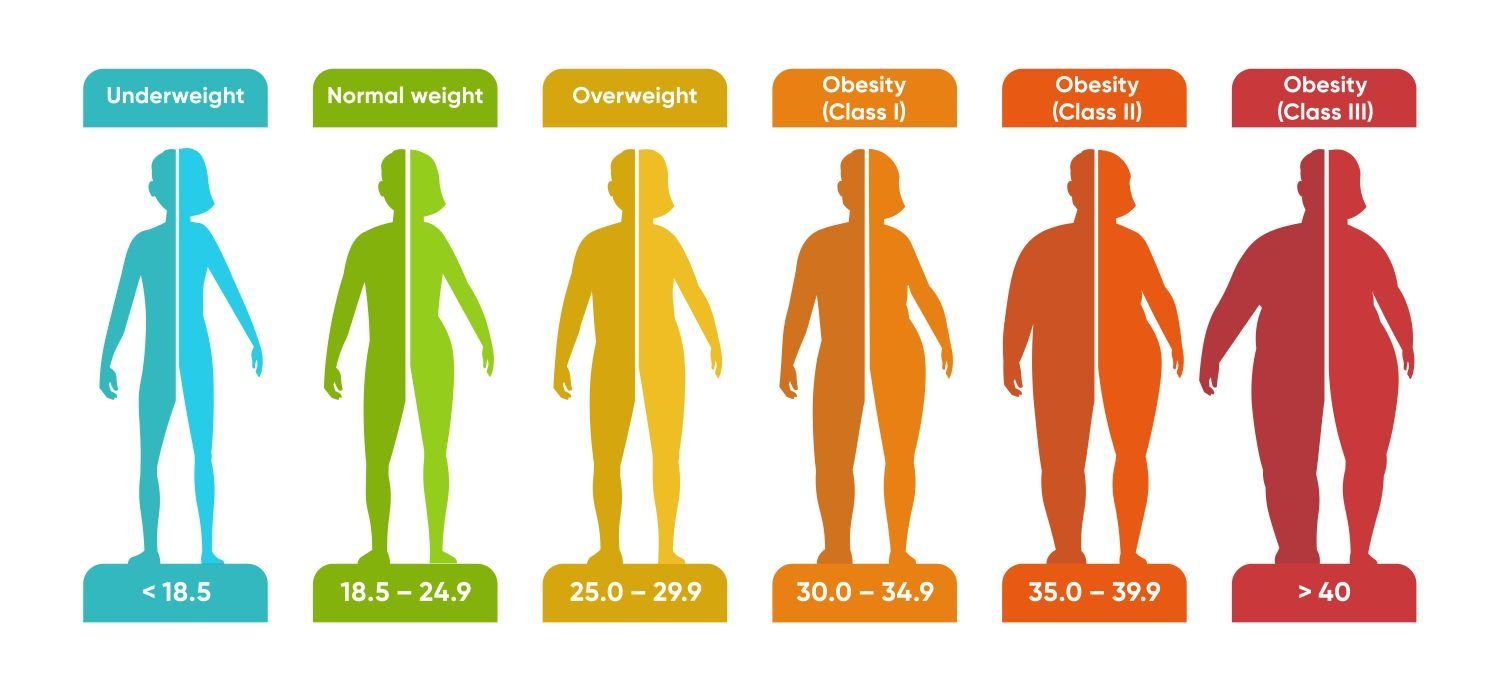
The body mass index chart is a visual guide that helps people understand what their BMI number means in terms of health categories. It divides results into underweight, normal weight, overweight, and obese ranges. When you calculate your body mass index, the chart provides a clear interpretation of where you stand in relation to healthy standards.
Healthcare professionals in the UK often use the body mass index chart to provide guidance during consultations. It helps individuals see how their results compare to recommended ranges. When you calculate your body mass index regularly, the chart becomes a useful reference for tracking improvements or identifying potential health risks early.
Lean Body Mass and Body Mass Index Differences
Lean body mass refers to the total weight of your body excluding fat, including muscles, bones, and organs. It is different from body mass index, which does not distinguish between fat and muscle. When you calculate your body mass index, you may not get a full picture of body composition, especially for athletes or highly muscular individuals.
A lean body mass calculator provides a more detailed analysis of body structure and is often used in fitness and medical assessments. However, body mass index remains popular because of its simplicity. Many people calculate your body mass index first before exploring more advanced measurements such as lean body mass for deeper health insights.
Importance of Body Mass Index for Health Awareness
Body mass index plays an important role in identifying potential health risks such as heart disease, diabetes, and obesity-related conditions. It is widely used in the UK as a first step in health screening. When you calculate your body mass index, you gain awareness of whether your weight could be affecting your long-term health.
Although body mass index is not a diagnostic tool, it helps guide lifestyle decisions. Regular monitoring encourages individuals to adopt healthier habits such as balanced eating and increased physical activity. When people calculate your body mass index consistently, they are more likely to stay informed and take proactive steps toward better health.
Limitations of Body Mass Index
Despite its usefulness, body mass index has several limitations because it does not measure fat distribution or distinguish between muscle and fat. This means that two people with the same BMI can have very different health profiles. When you calculate your body mass index, it is important to understand that it is only a general indicator.
Experts recommend using body mass index alongside other measurements such as waist circumference and body fat percentage. This provides a more complete understanding of health. While many people calculate your body mass index for quick insights, it should always be interpreted carefully and not used as the only measure of wellbeing.
Conclusion
Body mass index remains one of the most widely used health indicators in the UK due to its simplicity and accessibility. When you calculate your body mass index, you gain a quick overview of your weight status and potential health risks. This makes it a valuable tool for individuals looking to improve their overall wellbeing and lifestyle habits.
However, it is important to remember that BMI is not a complete measure of health. It should be used as a guide alongside other assessments and professional advice. When you calculate your body mass index regularly, it can help you stay aware of your health journey and encourage positive long-term changes.
Youy may also read: Magnesium and mineral support in supplements for adhd adults