Teething Rash on Face: Causes, Symptoms and Treatment Guide for Babies (UK Parent’s Complete Guide)
Teething rash on face is a common skin concern that many parents notice when their baby begins teething. It usually appears as red, irritated patches around the mouth, chin, and cheeks due to constant drooling. Although it may look uncomfortable, it is generally harmless and temporary. Understanding why it happens helps parents manage symptoms more confidently and avoid unnecessary worry during this natural stage of development.
Teething rash on face develops when excess saliva repeatedly comes into contact with a baby’s delicate skin. As teeth start to push through the gums, drooling increases significantly. This moisture breaks down the skin’s protective barrier, leading to dryness, redness, and small bumps. With gentle care, consistent cleaning, and protective skincare, the rash usually improves as teething progresses and saliva levels become more manageable.
When babies start teething and early development signs
Most babies begin teething between four and seven months, although some may start earlier or later. This variation is completely normal and depends on genetics and individual growth patterns. Parents often notice early behavioural changes such as irritability, increased chewing, and more frequent drooling before the first tooth appears.
When teething starts, babies may also experience disrupted sleep and mild gum swelling. These early signs often appear weeks before teeth actually emerge. During this period, teething rash on face may begin forming as saliva production increases. Recognising these early signals helps parents prepare for both discomfort and skin irritation, allowing for quicker and more effective care routines.
Common signs and symptoms of teething in babies
Teething brings a range of symptoms that vary from baby to baby. One of the most common signs is excessive drooling, which often leads to wet clothing and irritated skin. Babies may also chew on toys, fingers, or anything they can grasp, as this helps relieve pressure in their gums.
Alongside these behaviours, teething rash on face may develop as saliva repeatedly touches the skin. Babies can become more unsettled, especially during sleep times. While mild fever or slight mood changes can occur, severe symptoms are uncommon. Understanding these signs allows parents to distinguish normal teething behaviour from other potential health concerns.
What teething rash on face looks like
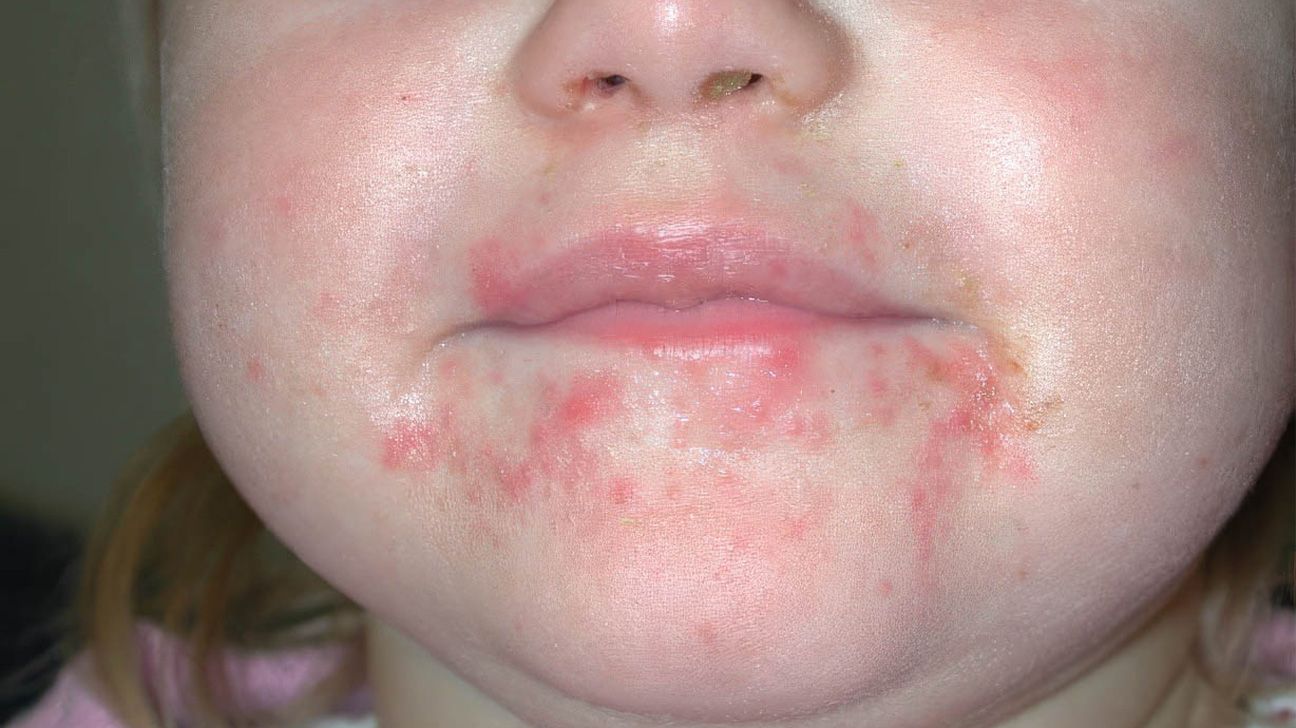
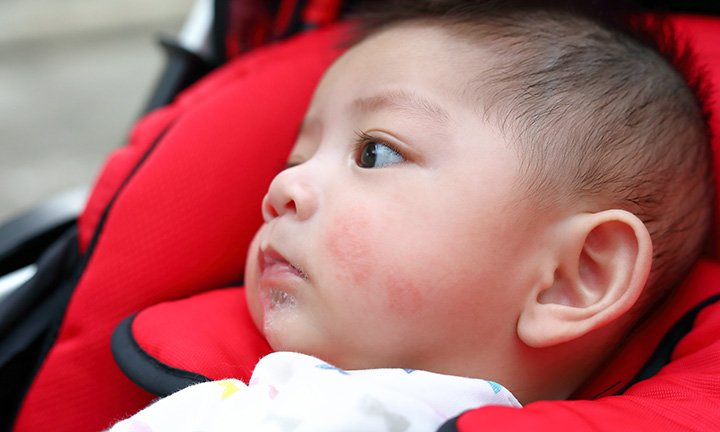
Teething rash on face typically appears as red, dry, or slightly raised patches around the mouth, chin, and cheeks. The skin may look chapped or irritated, especially in areas where saliva collects. In some cases, small bumps may form, giving the skin a rough texture that comes and goes throughout the day.
This rash is different from allergic reactions or infections because it is localised and directly linked to drooling. It is not contagious and does not spread through contact. Teething rash on face often worsens during heavy drooling phases and improves when the skin is kept clean, dry, and protected with gentle skincare products.
Causes of teething rash on face in babies
The main cause of teething rash on face is prolonged exposure to saliva during teething. As babies produce more saliva to help with the teething process, it constantly drips onto their skin. This moisture contains enzymes that can irritate sensitive baby skin when exposure is continuous over time.
Another contributing factor is frequent wiping of the face. While cleaning is necessary, excessive rubbing can remove natural oils and make the skin more vulnerable. The combination of wetness from drooling and dryness from wiping creates a cycle of irritation. This is why balanced and gentle skincare is essential during teething stages.
Effective treatment for teething rash on face
Treating teething rash on face involves simple yet consistent care routines. Keeping the affected area dry is one of the most effective steps. Gently wiping drool using a soft cotton cloth helps prevent moisture build-up without irritating the skin further. Regular cleaning reduces the chances of the rash becoming more severe.
Applying a barrier cream such as petroleum jelly can protect the skin from constant saliva exposure. This creates a protective layer that helps prevent further irritation. Keeping bibs and clothing dry is also important, as damp fabric can worsen the rash. With regular care, most cases of teething rash on face improve within a few days.
Teething relief methods and soothing options
Teething discomfort often accompanies skin irritation, so soothing the gums is equally important. Many parents use teething toys to help babies chew safely and relieve pressure in their gums. These toys also distract babies from discomfort and support healthy oral development during the teething phase.
In some cases, parents may consider teething gels or powders for additional relief. Products such as Anbesol teething gel or Bonjela teething gel are commonly used in the UK, but they should always be applied according to medical guidance. Natural methods such as chilled teething rings and gentle gum massage are also effective and widely recommended for daily use.
How long teething lasts and rash duration
Teething is not a single event but a long developmental process that can last up to two years. Different teeth emerge at different stages, meaning symptoms may come and go over time. Some babies experience more discomfort during certain phases, while others have relatively mild symptoms throughout.
Teething rash on face usually appears during periods of heavy drooling and may last a few days or weeks depending on skin sensitivity. Once drooling decreases or proper skincare is introduced, the rash typically fades quickly. Most babies outgrow frequent rashes as their teething stages progress and skin becomes more resilient.
Preventing teething rash on face in babies
Preventing teething rash on face focuses on reducing prolonged moisture exposure. Regularly wiping the baby’s face with a soft cloth helps keep the skin dry and comfortable. Parents should also change wet bibs and clothing frequently to prevent irritation caused by trapped moisture.
Using a gentle barrier cream before drooling becomes severe can also help protect the skin. Choosing soft fabrics and avoiding harsh soaps or wipes reduces irritation risk. Prevention is mainly about maintaining a balance between cleanliness and skin protection, ensuring the baby stays comfortable throughout the teething process.
When to seek medical advice
Although teething rash on face is usually harmless, there are times when medical advice is necessary. If the rash becomes severe, spreads beyond the face, or shows signs of infection such as swelling or oozing, it is important to consult a healthcare professional. Persistent discomfort should not be ignored.
Parents should also seek advice if the baby develops a high fever or unusual symptoms unrelated to teething. While mild temperature changes can occur, significant illness is not caused by teething. A doctor can help rule out other conditions and ensure the baby receives appropriate care and treatment.
Conclusion
Teething rash on face is a normal and temporary condition that many babies experience during their early development. While it may appear concerning, it is usually easy to manage with gentle skincare, consistent cleaning, and protective measures. Understanding the causes and symptoms helps parents respond calmly and effectively.
With the right care routine, teething rash on face can be minimised and often clears quickly as teething progresses. Supporting your baby through this stage with patience, comfort, and safe soothing techniques ensures a smoother teething journey for both baby and parents.
You may also read: Blister formation in herpes photos in different stages